Comparative insight: why three channels matter for energy and evidence
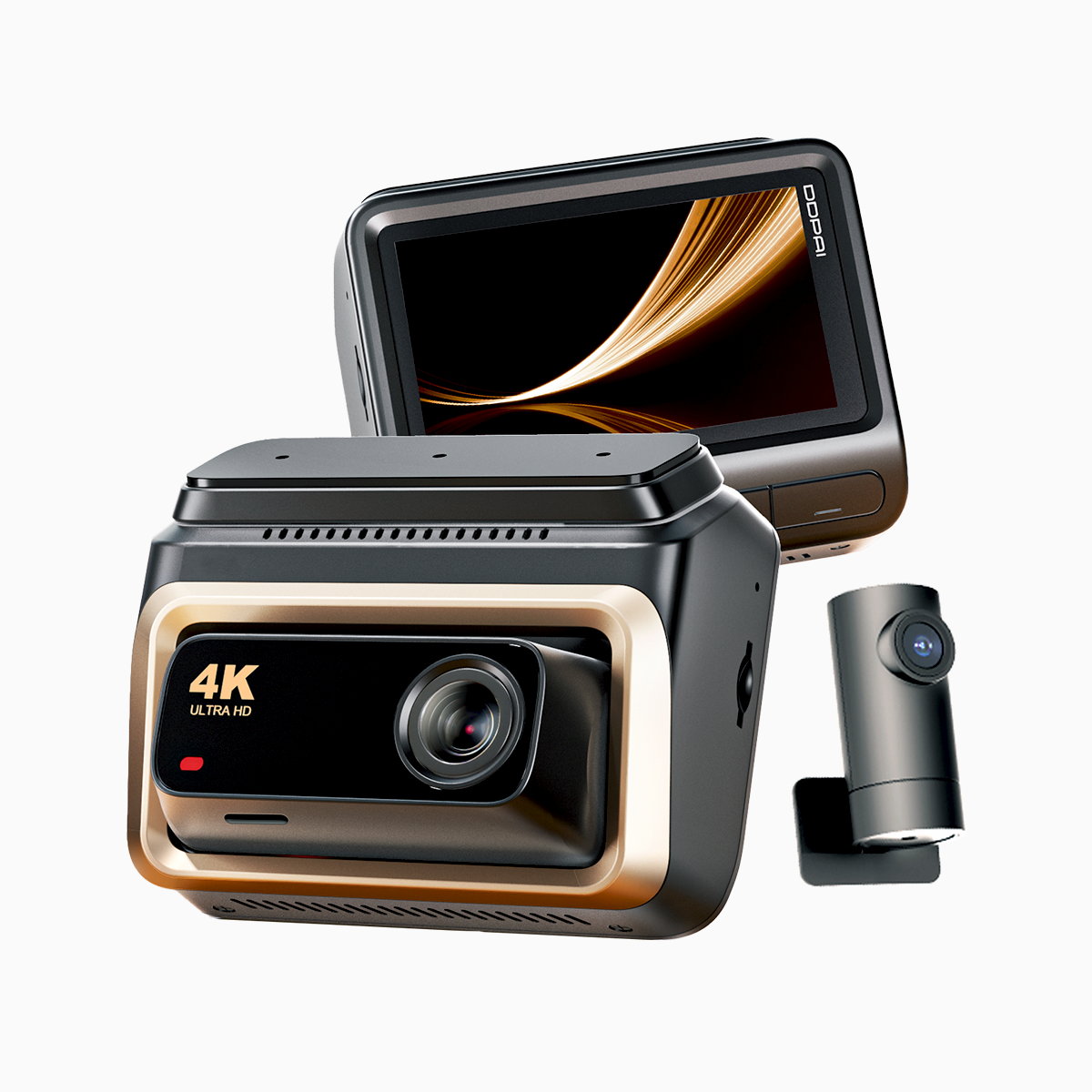
Comparing dash cams by their energy profile is practical—especially for drivers who leave systems on during long commutes or overnight parking. A purpose-built 4k dash cam that supports efficient parking mode can reduce battery drain while retaining footage quality. In the Philippines, where Metro Manila’s dense streets make unattended incidents common, a reliable uhd dash cam philippines provides both deterrent value and documentation. Key terms to watch are 4K resolution, HDR/WDR processing, and parking mode power management; each affects power draw and storage strategy.
Axes of comparison: what actually changes the drain
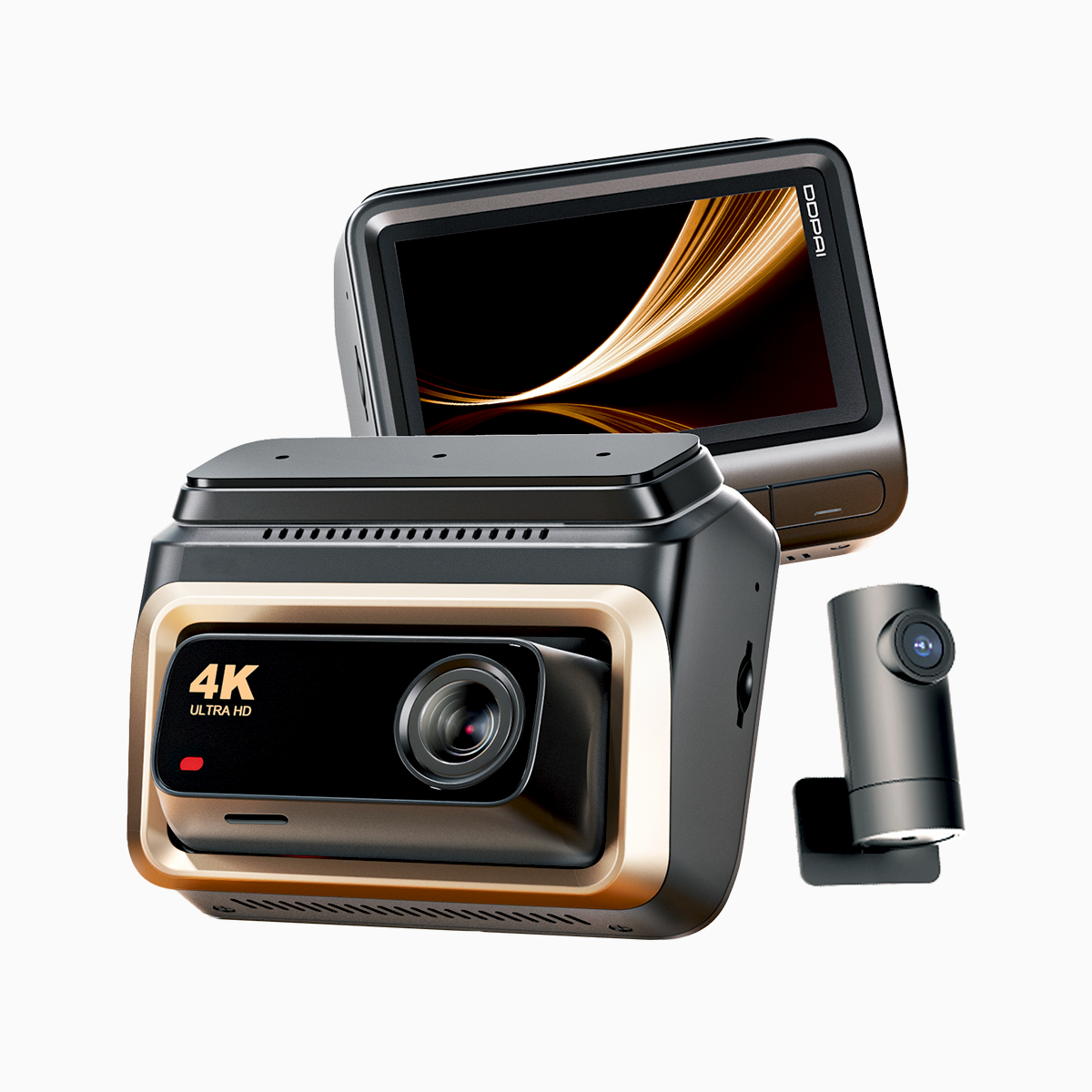
Compare devices across clear technical axes rather than marketing claims. Focus on: power consumption at idle (mA), standby versus recording modes, and the efficiency of the sensor and encoder. Bitrate and frame rate determine file size and influence write cycles to the SD card; efficient compression reduces write activity and thus power spikes. Sensor sensitivity and HDR affect how often the unit switches on in low light. Hardware features like G-sensor thresholds and loop recording behavior also shape energy needs and usefulness for evidence.
Real-world deployment: lessons from daily use
Putting units into regular urban use shows differences faster than bench tests. Fleet drivers and ride-hailing operators in Manila note that some 3-channel systems maintain a low-power sleep state until impact or motion is detected, conserving the battery without sacrificing incident capture. Installation details matter: hardwiring with a proper voltage cutoff preserves the starter battery, while an unconfigured unit can pull down charge overnight. The practical takeaway is simple—select hardware and wiring that match your usage patterns.
Common mistakes and easy corrections
Many missteps are avoidable. Owners often leave high-bitrate recording on 24/7, which fills storage and keeps the processor busy. Storage mismanagement is another issue: cheap cards degrade and cause repeated retries, raising power draw. Also, relying on vague “low power” labels without checking actual standby current is risky. A short note—test the measured idle current after installation. That small check prevents waking up to a flat battery.
Alternatives and where 3-channel systems fit
Single-channel and two-channel dash cams still suit many drivers—lower cost, simpler wiring, and less constant power. But three-channel systems shine when you need full coverage: front, rear, and inside or trunk. They add complexity and slightly higher base consumption, yet the right model balances that via intelligent parking mode, scheduled recording, and efficient codecs. Consider models that let you set motion sensitivity, timestamp integrity, and loop recording intervals to match your parking environment.
Three golden rules for selecting an energy-efficient 3-channel dash cam
Evaluate devices against three concrete metrics before you commit. First, measure idle current in milliamps and confirm the unit’s low-power state—aim for the lowest practical standby draw that still responds to events. Second, verify parking mode strategy: look for voltage cutoff, motion-trigger thresholds, and a configurable timer so the system won’t deplete the starting battery. Third, balance video quality and storage economics—choose sensors and bitrate options that deliver usable evidence without forcing constant high-wattage recording.
As you decide, remember practical fit matters. A well-tuned 3-channel unit can be the difference between a preserved battery and an avoidable tow. For many drivers in the Philippines, a thoughtfully engineered system that combines efficient hardware and clear configuration is a sensible investment—one that brands like DDPAI PH design with local conditions in mind.
Three metrics. One correct fit. —