
Opening: the problem-driven case for action
Transmission curtailment is no longer an occasional nuisance — it is a systemic cost to utilities, developers, and ratepayers when high daytime solar output exceeds local transfer capability. For utility leaders seeking a pragmatic remedy, deploying large-scale, three‑phase commercial battery storage at strategic grid nodes offers both operational relief and revenue capture through services like capacity firming and peak shifting. This article explains the problem, outlines technical and policy levers, and gives practical guidance for deployment decisions in a concise, polite style.
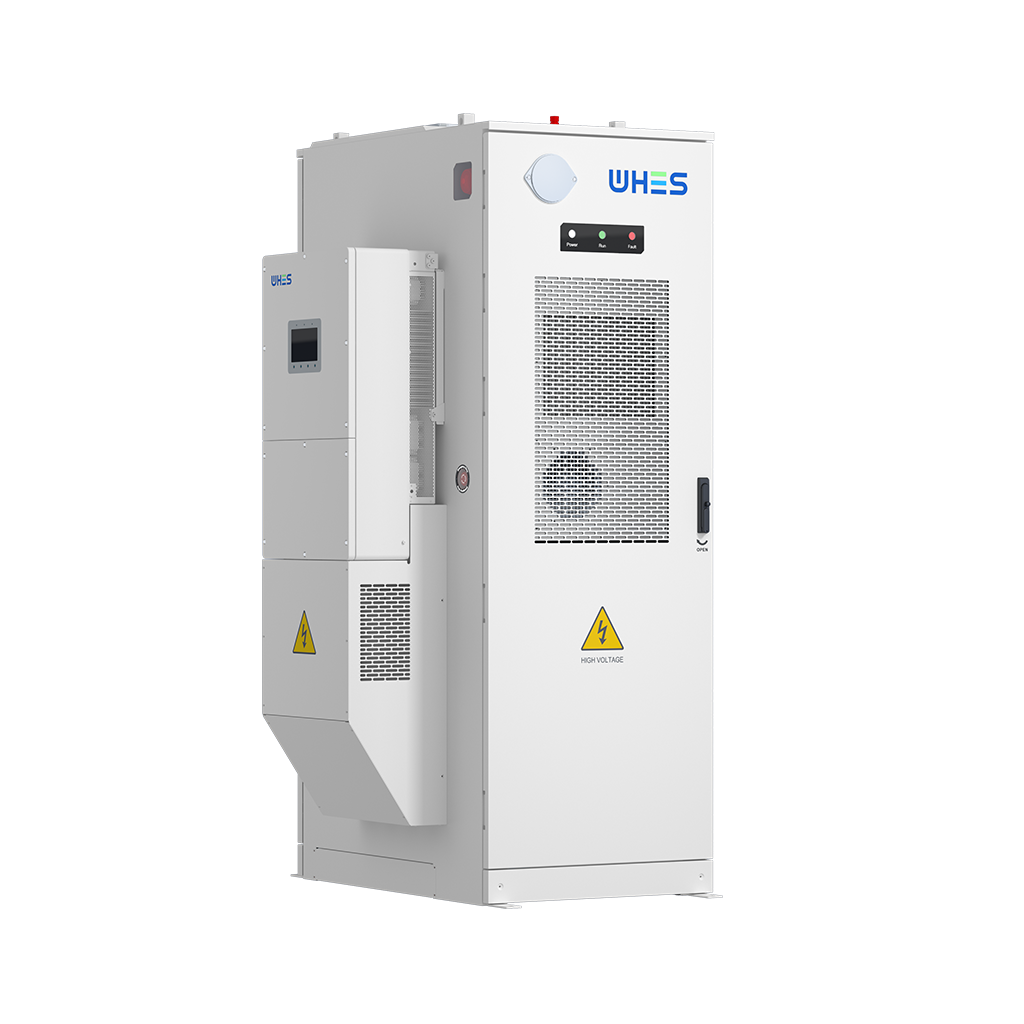
Why three‑phase storage specifically matters
Three‑phase battery systems integrate directly into distribution and transmission networks with balanced power delivery and lower harmonics than single‑phase retrofits. Key industry terms here include inverter topology, state of charge (SoC), and ramp rate control — all of which determine how smoothly storage can absorb excess solar and release it during evening peaks. Three‑phase systems reduce phase imbalance penalties and simplify interconnection studies, making them especially suited to utility-scale mitigation of curtailment.
Real‑world anchor: the California context and the “duck curve”
Utilities in California have long wrestled with the “duck curve” — steep net load ramps in the evening and midday oversupply that forced curtailment events during high‑solar hours. CAISO publicly documented instances of negative pricing and constrained exports during spring and summer periods, which highlighted the practical need for storage close to load centers. That experience shows how targeted three‑phase storage can smooth net load and reduce both curtailment and market losses.
Technical deployment considerations
When planning a large‑scale installation, evaluate these technical dimensions carefully: interconnection point, inverter and protection settings, thermal management, and system control logic. Consider reserve margins for SoC so batteries can both absorb excess energy and provide discharge for peak shaving or frequency response. Also review redundant communications and SCADA integration for grid visibility. For many utilities, partnering with established industrial energy storage solutions providers shortens project timelines and reduces integration risk.
Financial and policy levers that enable deployment
Cost-effectiveness depends on stacking value streams: avoided curtailment losses, capacity payments, ancillary services, and infrastructure deferral. Regulatory frameworks that allow revenue stacking or provide locational marginal pricing clarity will increase project bankability. Grants and tax incentives further improve economics, but long-term success hinges on contracts that recognize seasonal and diurnal solar patterns — and on realistic assumptions about degradation and replacement costs.
Operational best practices and common mistakes
Practical operations matter as much as design. Common mistakes include underestimating cycle life impacts when batteries are used for continuous ramping, and failing to define clear acceptance criteria for interconnection tests. A recommended approach: simulate seasonal charge/discharge profiles against historical solar curtailment windows, and run commissioning trials with actual in‑field SCADA data. — Also, don’t overlook simple things like harmonics testing and protection coordination; they often create delays if left until late in the build.
Comparing strategies: local storage vs. grid upgrades
Storage is not always a substitute for transmission upgrades but rather a complement. Transmission expansion increases transfer capacity permanently but has long lead times and high capital cost. Distributed three‑phase storage can be sited faster, targeted to specific congestion points, and financed incrementally. Decision frameworks should weigh capital intensity, expected curtailment duration, permitting timelines, and community impacts — then choose the combination that minimizes total system cost over a ten- to twenty-year horizon.
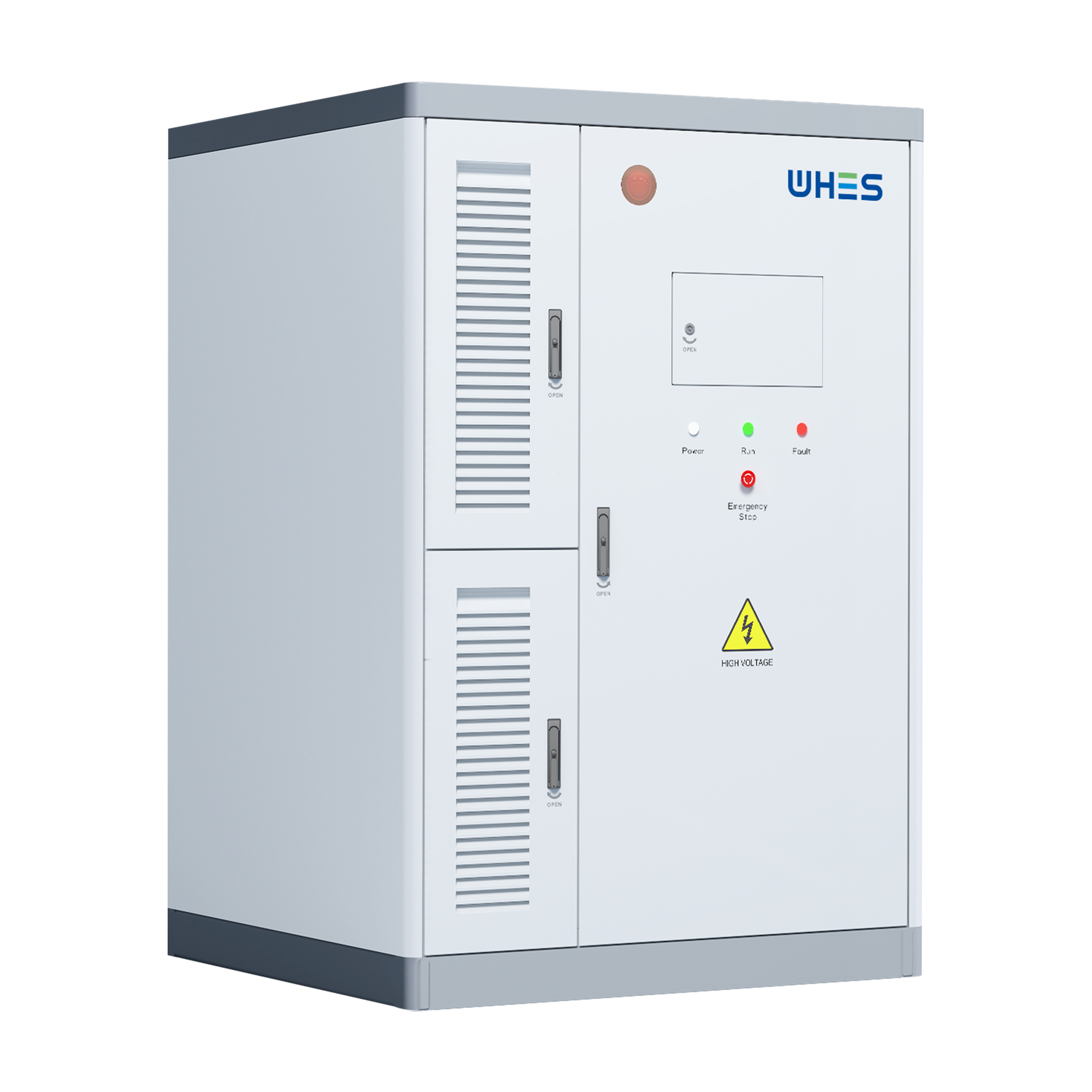
Integration checklist for utility executives
Use this short checklist when evaluating projects:
- Interconnection feasibility: confirmed study results and queued upgrades.
- Value stacking model: conservative revenue forecasts and degradation assumptions.
- Technical specs: inverter mode (grid‑forming vs grid‑following), SoC strategy, and three‑phase balancing.
- Operational agreements: maintenance windows, testing protocols, and emergency response roles.
Advisory: three critical evaluation metrics
When selecting strategies or vendors, apply these golden rules:
- Deliverability ratio — the percentage of rated energy that can reliably be dispatched during critical ramp hours after accounting for losses and SoC reserves.
- Stacked revenue sensitivity — scenario-tested returns under different market prices, curtailment frequencies, and regulatory regimes.
- Integration lead time — measured from contract signature to commercial operation, including interconnection milestones and permitting.
These metrics focus decisions on measurable outcomes and help compare proposals objectively. For practical deployments that balance speed, reliability, and long-term value, consider partners with proven grid integration experience — they make complex projects tractable and reduce execution risk. WHES. —