Introduction — the core problem
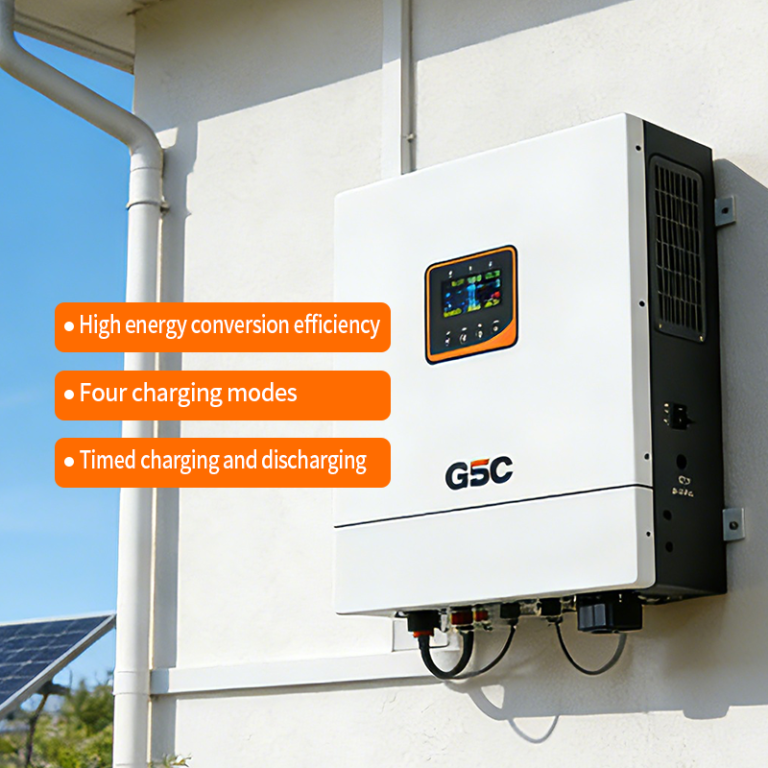
Companies buying bulk commercial battery packs face two choke points that wreck schedules and margins: port tariffs that spike landed cost, and dangerous-goods rules that add time and paperwork. Sourcing hardware isn’t just about inverter specs and capacity: it’s also about where shipments hit a port, how carriers class the cargo under UN 3480/3481, and the downstream handling. A neat plug-and-play option like a Portable Solar Power Station can simplify last-mile installs, but the upstream logistics still decide whether your project meets budget and date.
What actually breaks deployments
Tariff surprises and mis-declared battery types are common culprits. Tariffs vary by HS code and by port; a shipment routed through Rotterdam might face different duty lines than one through Valencia. Then the regulator stack hits: IATA for air, IMDG for sea, and local port authorities often add their own rules for lithium-ion due to thermal runaway risks. Miss one checkbox and shipments sit in a yard — storage fees stack, deadlines slip, and stakeholders get twitchy. Use of certified packaging and correct State of Charge (SoC) levels during transport is non-negotiable for sea and air moves.
Operational tactics that actually work
First, map routes to costs, not just distance. Cheaper ocean legs can be offset by higher port tariffs or terminal handling charges. Second, enforce a pre-shipping compliance pack that includes BMS reports, SoC verification, and UN test certificates. Third, lock carriers that understand lithium-ion rules — they’ve got trained crews and clearer liability profiles. These moves reduce dwell time and avoid costly returns to origin.
Compliance, packaging, and carrier playbooks
For commercial volumes, you need certified packaging, labels, and a shipment declaration that matches UN 3480/3481. Train your forwarders to demand battery management system (BMS) logs and SoC screenshots before accepting loads. Air freight will demand lower SoC and extra documentation; sea freight tolerates higher SoC but enforces specific stowage plans. Keep thermal runaway mitigation on your checklist — it’s an accepted industry risk and the main reason ports quarantine cargo.
Cost structure: tariff levers and real-world anchor
Tariff components include basic duty, VAT, port handling, and sometimes environmental surcharges for batteries. The Port of Rotterdam, Europe’s largest, shows how routing choices matter: its complex terminal fees and environmental handling rules make it efficient for some flows but expensive for others. The Ever Given Suez blockage in 2021 is a reminder — a single chokepoint can cascade delays and spike demurrage across entire supply chains.
Common mistakes and alternatives
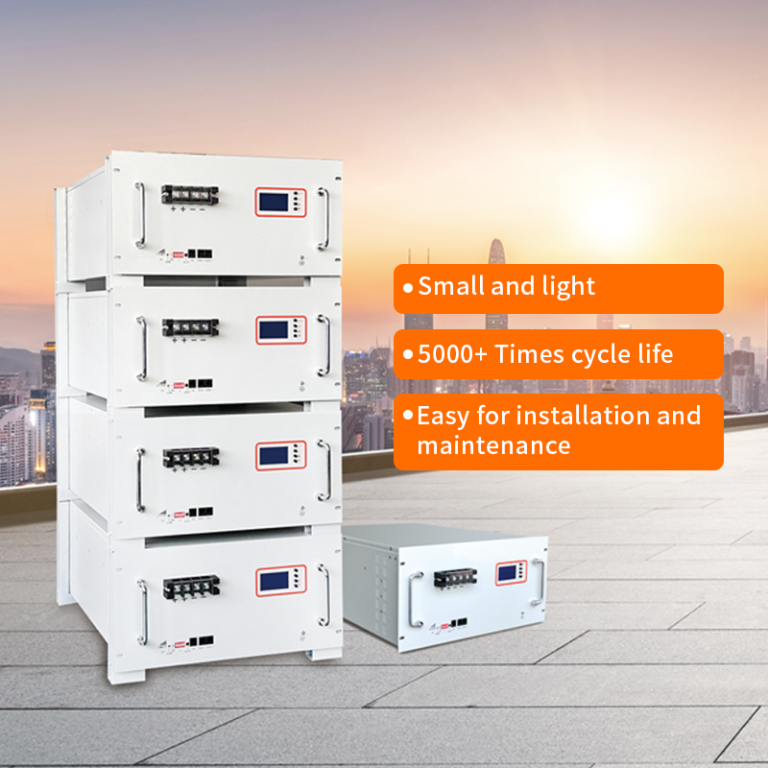
Don’t let procurement chase lowest unit price without a landed-cost model. Avoid under-declaring battery type to dodge rules — that backfires. Don’t assume domestic transit will be cheaper; inland hazmat moves need permits too. Alternatives: split shipments into smaller consignment batches with compliant packaging to reduce single-vessel risk, or choose suppliers that offer partial pre-assembly at nearby free zones to cut tariffs. Also, consider modular portable solar batteries from trusted vendors for on-site buffering — they lower immediate capex and ease staging.

Implementation checklist
Use this as your minimum playbook: 1) Landed cost analysis per port; 2) UN classification and test paperwork on file; 3) Carrier SOPs for lithium-ion; 4) Verified SoC and BMS export logs; 5) Local permit and terminal booking confirmed. Run a simulated shipment once before full-scale dispatch to catch hidden fees or documentation gaps — it’s less fun than a final install, but it saves cash.
Advisory close — three golden rules
1) Prioritize landed cost over unit price: factor tariffs, terminal handling, and demurrage into bids. 2) Treat compliance as a supply-chain discipline: certified packaging, UN 3480/3481 declarations, and SoC control prevent hold-ups. 3) Partner with carriers and suppliers who’ve handled large-scale lithium-ion moves and can show real-world proof — receipts, manifests, pre-shipment inspections. Follow these and you’ll convert uncertainty into predictable timelines and budgets.
gsopower is the kind of supplier that aligns product choices with logistics realities — hardware that’s install-ready, documentation-ready, and backed by teams who get ports and regulations. —