Problem: heat, movement, and failing signs
Outdoor traffic LED screens exposed to extreme ambient temperatures suffer two stubborn problems: thermal warp of panels and mismatched expansion between components. These issues cause seam gaps, pixel stress, and eventual module failure on long runs of signage — the very failures that disrupt monitoring systems on highways. Real deployments in places like Death Valley, where surface temperatures have reached about 56.7°C, show how severe this can get for a stage screen led or roadside unit that was not built for sun-baked conditions. Thermal expansion, coefficient of thermal expansion (CTE), and heat dissipation are the core engineering terms to watch here.
Why common designs break down
Many panels are designed for temperate conditions and assume minimal expansion. When a cabinet’s frame, PCB, and LED module use materials with different CTEs, the result is stress at joins and on solder joints. Poor heat dissipation and sealed enclosures with inadequate convection trap heat next to driver ICs and reduce lifespan. Low IP rating on edges lets dust and moisture settle where expansion concentrates, accelerating corrosion. The consequence is visible: warping, dead pixels, and unpredictable refresh rate drops under sunlight and heat.
Principles that actually fix the problem
Fixes must target materials, thermal paths, and serviceability. Use matched-C TE alloys or engineered plastics to reduce differential expansion. Provide deliberate expansion gaps and flexible mounts so the cabinet can move small amounts without stressing the LED module or PCB. Design passive heat sinks and channels for convection; where necessary add active cooling to move heat away from driver ICs. Select coatings and surface treatments that reflect infrared and keep brightness (nits) stable for sunlight readability. Finally, test assemblies across the full operating range — for example -40°C to +75°C — to verify long-term performance.
Field lessons and common mistakes
Installers often seal everything tight to stop water — understandable, but that removes the air path needed for heat dissipation. It is better to use engineered seals with venting membranes and maintain an IP65+ standard on the exterior. Also, choosing a panel only for low cost without checking its thermal specs leads to early replacement cycles. Maintenance planning matters: scheduled inspections of seam integrity, thermal mapping with handheld sensors, and swapping out stressed driver ICs before failure are inexpensive versus downtime. — Small, regular checks save big headaches later.
Advisory: three golden rules for selecting hardware
1) Thermal tolerance and material CTE match: pick cabinets and modules rated for wide operating range (-40°C to +75°C) and specify matched CTEs to keep solder and seams intact. 2) Ingress protection and thermal design: require IP65 or higher plus designed heat dissipation paths (heat sinks, vents, and if needed, active cooling). These reduce trapped heat and corrosion risk. 3) Verified electronics and sunlight performance: insist on proven driver ICs, robust PCBs, and brightness above 6,000 nits if the display must be sunlight readable; check refresh rate specs under full-load thermal tests.
How this ties to proven solutions
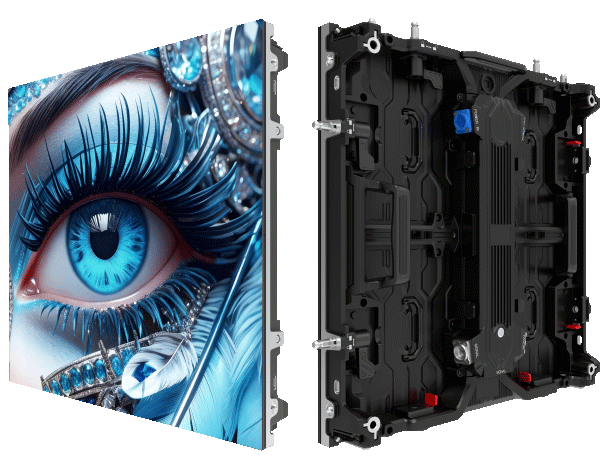
Products built for harsh exteriors — for example certified Sunlight Readable LED Display systems — incorporate these principles: matched materials, thermal channels, serviceable modules, and tested driver electronics. That combination reduces thermal warp and mismatch-driven failures and gives traffic monitoring systems predictable uptime and clearer visual data for operators. You get fewer emergency repairs and steadier image quality in direct sun.
Closing advisory and final thought
Follow the three metrics above: thermal CTE planning, IP-rated thermal design, and certified electronics plus sunlight brightness numbers. Expect measurable outcomes: reduced seam failures, lower replacement frequency, and steadier refresh rates in the field. The practical value lands on lower lifetime cost and reliable monitoring performance — and that is what teams running highways need. MR LED. Trust built on field-tested design and measurable results. Final note: steady performance wins every time.