Setting the Scene: When a “Good Deal” Isn’t Good Enough
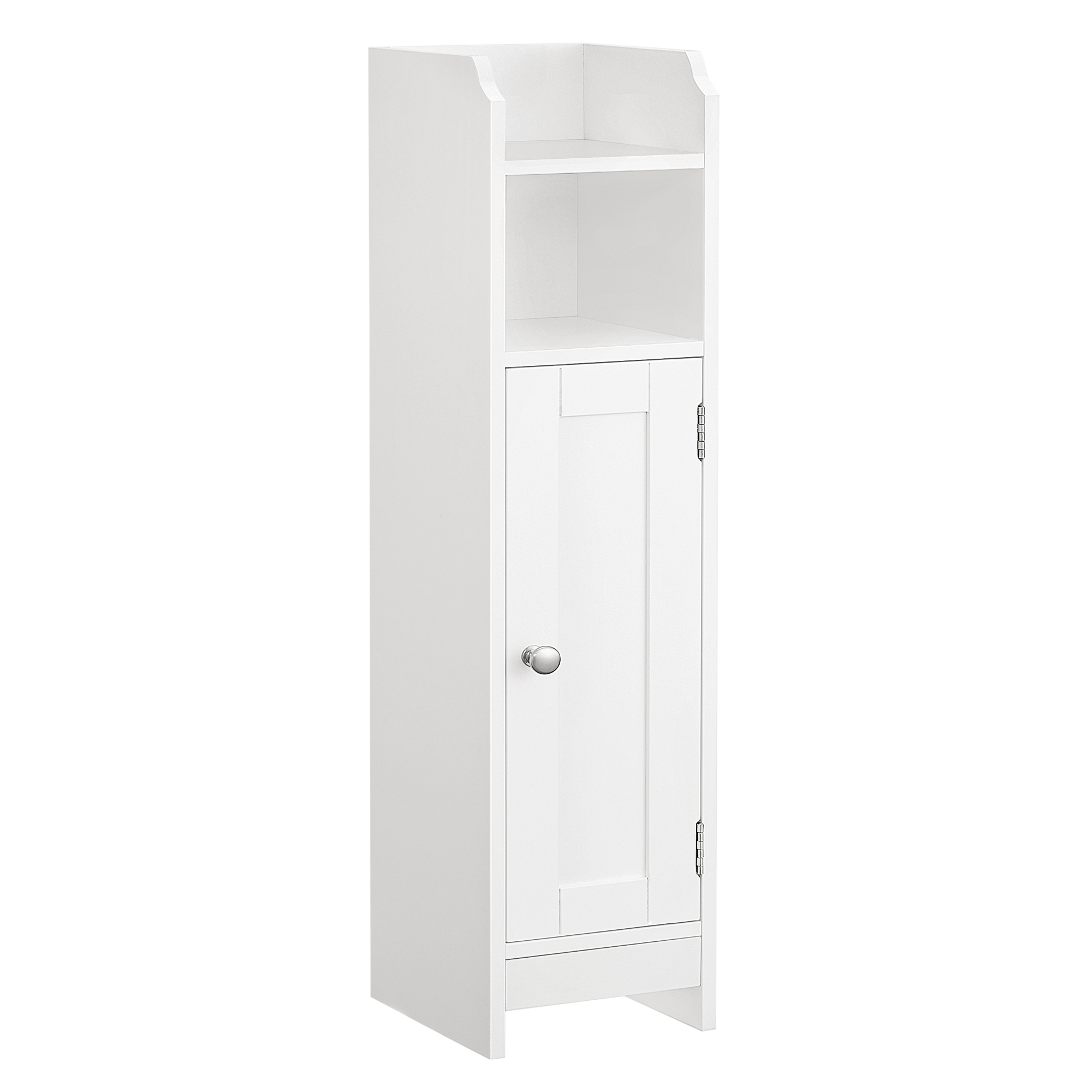
You place a rush order, the showroom clock is ticking, and the shipment finally lands—only to find a stack of mismatched finishes. In the next call, someone says it’s “within tolerance,” and your calendar slips again. Bathroom cabinet wholesale feels like a quick win in the second sentence, but the real game is supply risk, not unit price. Recent buyer polls report return rates hovering around 8–12% on first batches, with margin erosion tied to rework and delays. If that’s a known issue, why do we repeat it—aiya—again and again? The question is simple: are we reading specs or reading signals?
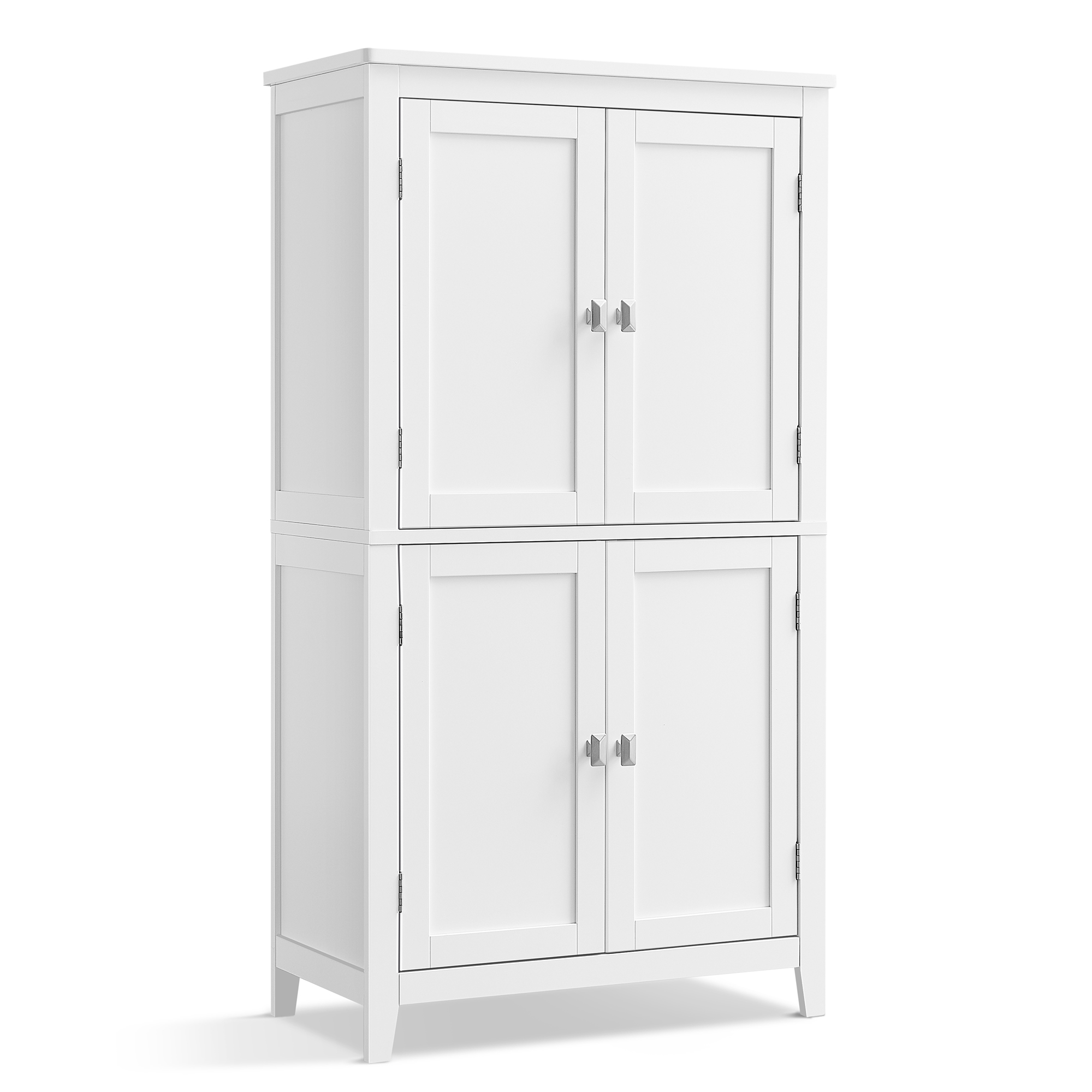
I’m sharing this with a Hong Kong lens, la: we move fast, but we don’t skip due diligence. So imagine a small chain balancing 40 SKUs, navigating MOQ pressure, and juggling lead time promises. That’s the scenario. The data says hidden costs pile up in freight, reboxing, and QC back-and-forth. The real ask: how do you compare vendors beyond pretty photos? Let’s break it down, then move to what to do next.
The Hidden Friction with Factory Partners You Thought You Knew
Where do the costs hide?
With bathroom cabinet manufacturers, the pain often lives between the lines. Samples arrive flawless, but production swaps can appear in the carcass board or PVC edge banding without a clear change notice—funny how that works, right? You see it in moisture resistance ratings, E1 or CARB P2 compliance, and soft-close hinge specs that drift under FOB terms. The issue isn’t just price; it’s variance and batch traceability. A spec sheet might list 18 mm panels, yet the first run averages thinner in non-visible areas. Lead time goes long, and then QC snags escalate. Look, it’s simpler than you think: missing checkpoints create compounding risk.
Another quiet pain point is configuration control. One line item may split into sub-SKUs once you add handles, glaze, or colorways. That blows up inventory and pushes your MOQ higher. Meanwhile, factory QC photos lack consistent angles, so you can’t compare sheen or veneer direction week to week. Even cartons matter: weak corners lead to chipped laminate in transit, and suddenly your return rate climbs. Buyers focus on unit cost, but the bigger lever is process visibility—pre-shipment inspection windows, documented finish lots, and acceptance criteria tied to a clear AQL plan. If your partner can’t provide that, the cheapest quote becomes the slowest money.
Future-Facing Sourcing: From Guesswork to Instrumented Decisions
What’s Next
Let’s switch gears. The next wave is about measurable proof, not promises. Think simple tech blocks: QR-coded parts for batch traceability, photo logs with fixed light and angles, and CAD-to-CAM output that locks panel thickness and hole placements. Pair that with a live BOM, and your SKU rationalization gets real. When you buy wholesale bathroom cabinets online, the value is not only catalog breadth. It’s the backend: standardized QC templates, carton drop-test records, and finish gloss readings captured on each lot (no more guesswork). Semi-formal tone here, but the rule is plain: data in, drama out.
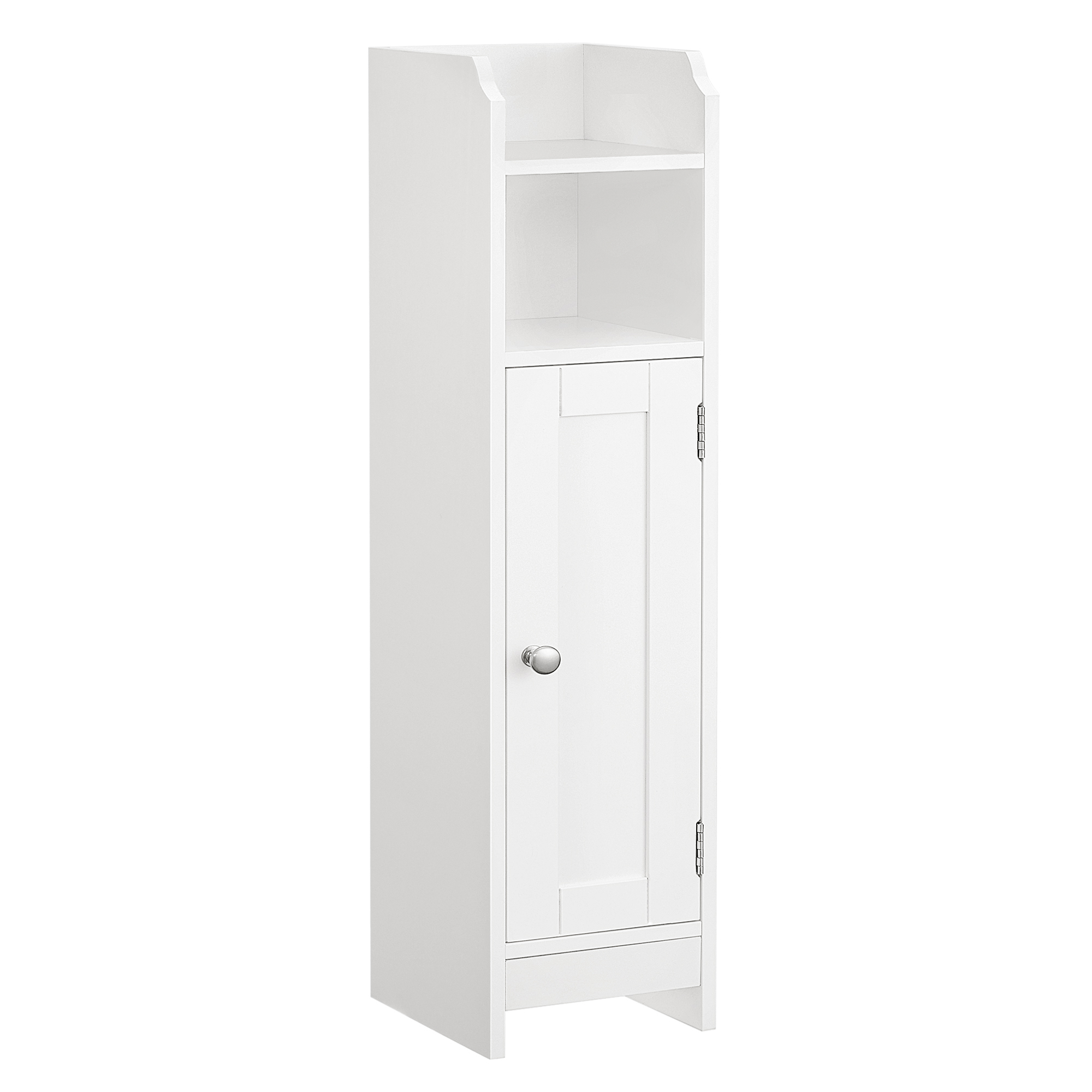
New principles are straightforward. Digital spec sheets reduce ambiguity, and photo comparators flag color drift before mass packing. RFID or robust barcodes map pallets to orders, so claims move fast. A good WMS view lets you spot slow movers and tune MOQs, cutting dead stock. Even a basic life-cycle view—hardware grade, moisture rating, sealant type—can trim returns in humid flats. And yes, smaller vendors can do this too—funny how that works, right? The payoff: leaner lead times, cleaner acceptance, and fewer surprises on site. We’re not chasing fancy buzzwords; we’re building reliable flow.
How to Choose Better—Three Metrics That Keep You Honest
Advisory close, no fluff. First, verification depth: ask for fixed-angle QC photos, drop-test results, and finish logs tied to lot numbers; set acceptance with AQL targets you can audit. Second, configuration control: confirm BOM lock, hardware spec lock, and a change-notice window; this tames SKU creep and keeps MOQs sane. Third, logistics clarity: carton strength data, clear FOB or CIF terms, and lead time variance reports; delays cost more than discounts. Keep the tone steady, share what you learn, and track outcomes in a simple sheet—month by month. In practice, these three checks turn “hope” into a process. For steady sourcing and grounded comparisons, keep your eyes on the signals, not the spin. If you want a benchmark to sanity-check your next buy, explore options from SONGMICS HOME B2B.