A Room Full of Laptops, One Missing Cue: Why Meetings Still Stall
Picture a packed council room. People are ready. Slides are up. Yet decisions drag because speakers talk over each other and no one knows who has the floor. A paperless conference system is running the agenda and documents, but the human cues get lost in the shuffle. A recent internal audit I saw showed that even well-run sessions lose 12–18% of time to unclear turn-taking and repeat clarifications. So, what is the real blocker—tools, or the way we surface signals at the table?
Here’s a twist: we digitized paper and moved files to the cloud, but we left the most basic conference signal—who’s speaking—half-baked. In audio terms, the latency budget looks fine. The DSP pipeline is clean. Yet participants still miss context. The fix might be simpler than a whole new stack. It might be about giving each voice a clear visual channel. (Yes, right there at the mic.) Let’s dig into what gets in the way—and how to unblock it.
The Deeper Layer: What Traditional Setups Hide in Plain Sight
What breaks first?
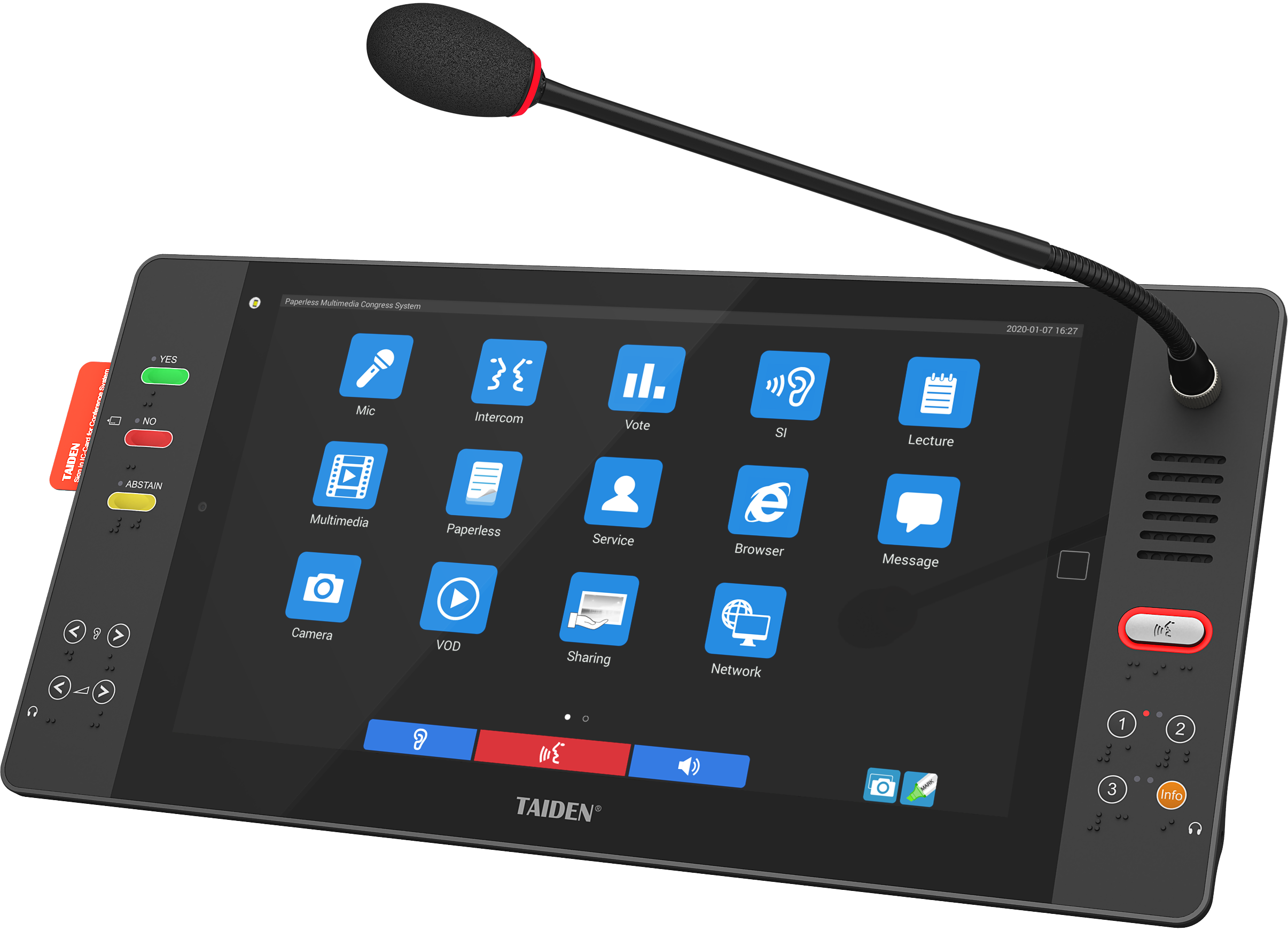
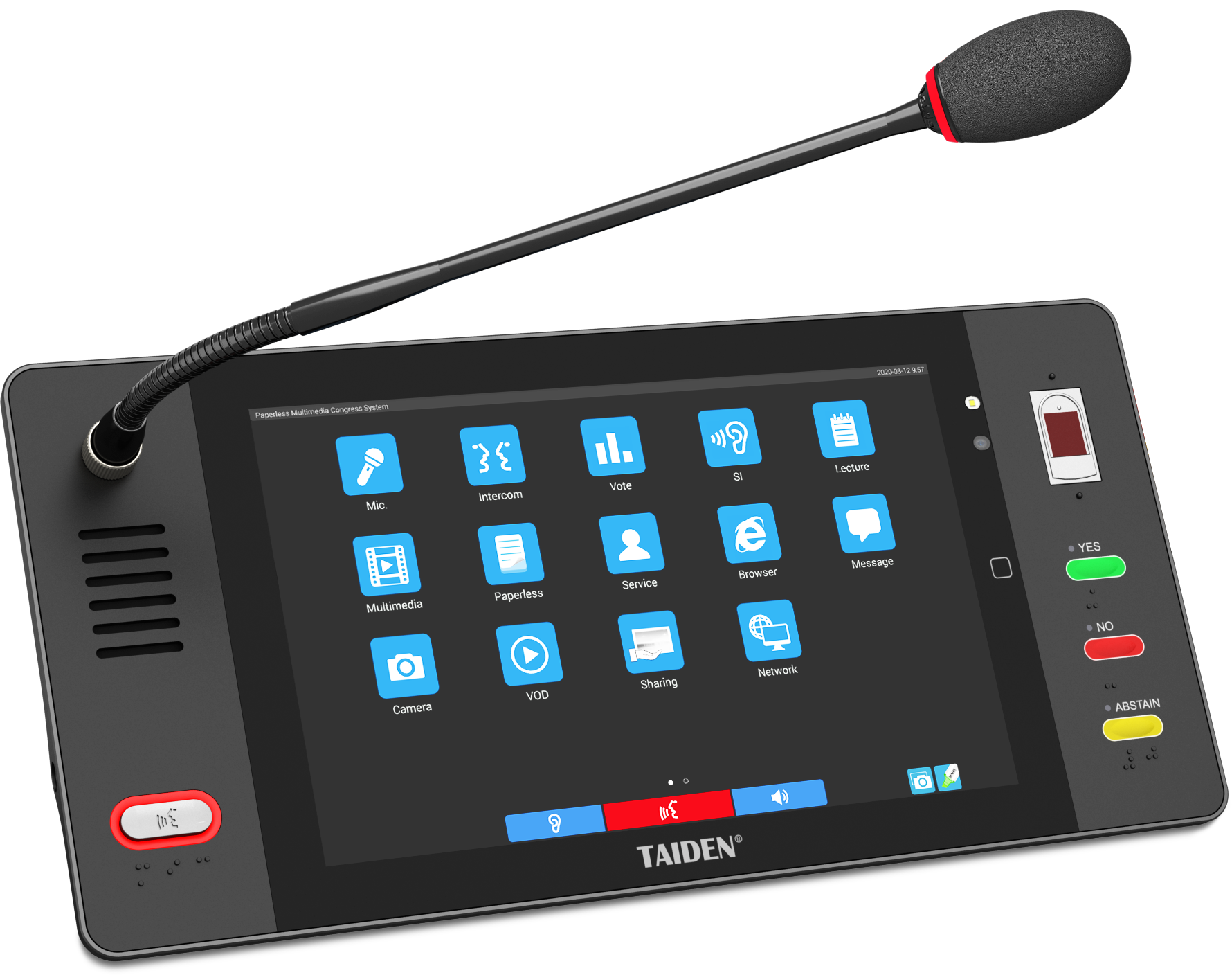
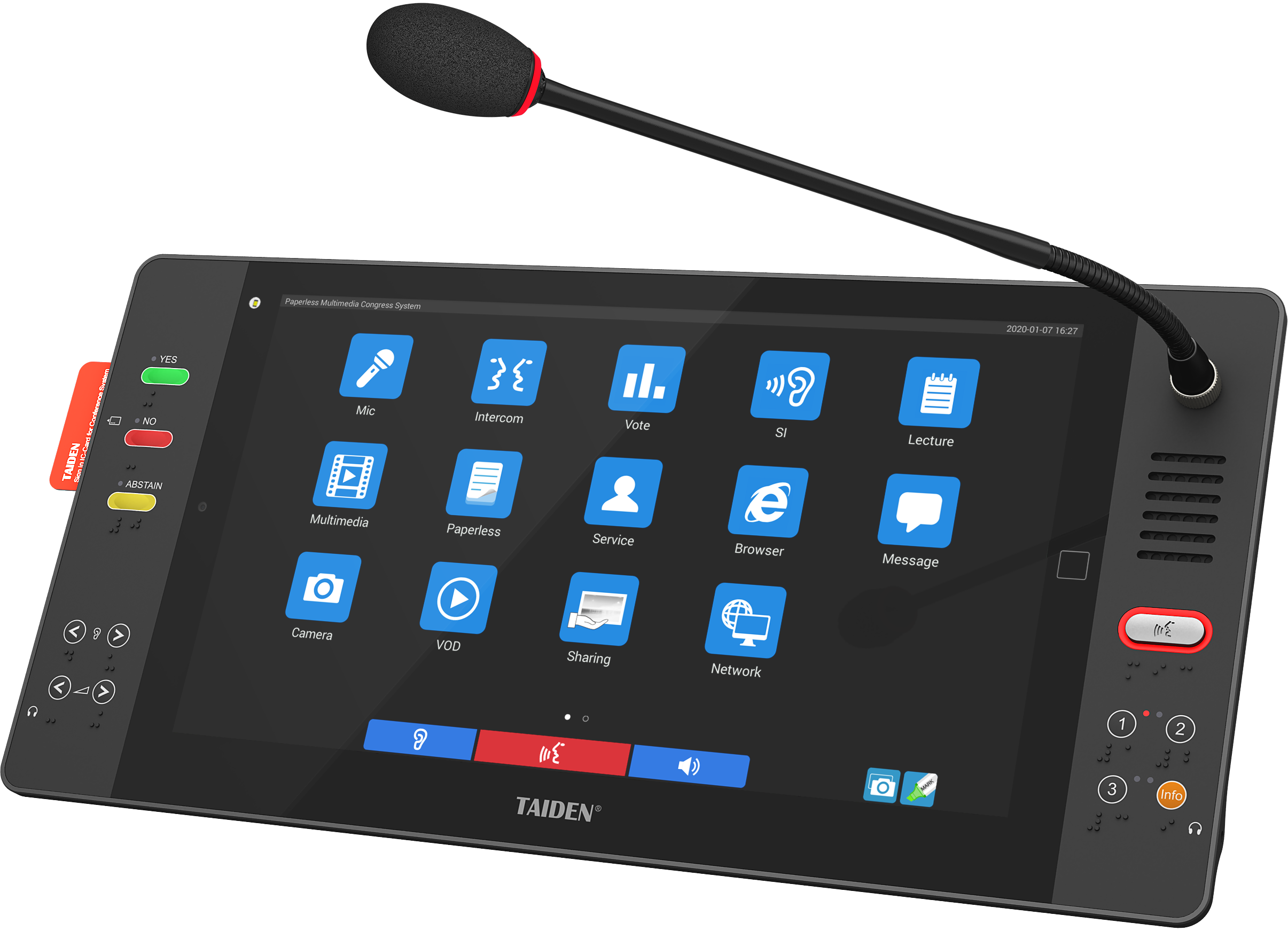
In many rooms, the mic is blind. You press to speak, the light turns on, and that’s it. A microphone with screen changes that first mile of human signaling. It puts names, request-to-speak status, and even agenda context where eyes already are—the tabletop. Traditional fixes rely on distant displays, hand waves, or a chair’s memory. That adds micro-delays and small errors that add up. Look, it’s simpler than you think: when a unit shows who’s next, who’s live, and what motion is under debate, interruptions fall, and so does cognitive load.
Technical friction compounds the human stuff. Beamforming can be solid, but if participants lean away, intelligibility drops. If voting is in a separate device, you get mode switching. If identity auth sits on a laptop, you get drift. By merging audio, identity, and context at the mic, you cut out side trips. Local edge computing nodes can cache speaking queues, while secure keys enable on-device name badges. AES-256 for votes, low-jitter clocking for audio, and clear signaling LEDs for body-language backup—funny how aligning the small signals unlocks big flow, right?
Comparing Paths Forward: Tech Principles That Actually Change the Room
What’s Next
So how does this stack up against “just add another screen”? Newer designs tie the table unit to lightweight edge logic and a stable RF or wired backbone. When a mic shows the queue, it’s not a static label; it’s a live endpoint that speaks to scheduling, nameplates, and speech timer services. In a robust wireless conference system, smart channel hopping watches the RF spectrum and preserves the latency budget, even in dense venues. PoE or efficient power converters keep wired variants tidy. OTA firmware updates bring features to the point of use without rolling carts around. The result is less chair mediation, fewer echoes of “Who’s next?”, and tighter minutes with the same people and the same agenda—only clearer.
Compare the old route: analog goosenecks, paper tents, and a wall display. You get scattered attention and extra talk time. Versus the newer route: a screened mic becomes the anchor for identity, requests, and votes. The DSP pipeline stays lean, while QoS policies prioritize live mics over non-critical chatter. NTP time sync aligns logs, so decisions are auditable. Here’s how to choose well, with three quick checks. First, visibility: Does each unit surface live state, queue, and identity without external screens? Second, resilience: Are RF fallbacks, interference handling, and encryption clear, tested, and simple to monitor? Third, lifecycle: Can you push updates, manage roles, and expand seats without re-cabling or breaking your latency targets? Get these right, and meetings stop stalling—they start moving with intent. That’s good tech serving human rhythm, not the other way around—funny how that works, right?
Shared insight, not hype. If you’re mapping options or validating requirements, keep the signals where people look, keep the path short, and measure the room by decisions made per hour. For more on integrated conference endpoints and standards-aware designs, see TAIDEN.