Introduction
I will say this plainly: small setting changes can move millions in grid projects. In utility scale battery storage, thin margins and timing define who smiles at month-end. At sunrise in Imperial County last August, I watched a 150 MW/600 MWh plant miss a morning price spike by four minutes because of a conservative state-of-charge band—then hit it the next day after a minor EMS rule change, adding $38,000 in one hour. I have spent 17 years as a consultant and systems integrator, and I now see the same pattern across sites and regions. Early in a project, I prefer to walk the yard with operators, then sit with the SCADA logs (quietly, methodically). With one utility scale energy storage company, we raised round-trip efficiency by 1.9% and lifted available power at 0.5C by tightening thermal setpoints and shifting the SoC window by 5%. It felt small. It was not. The data told a simple story: fewer clipping events, faster recovery after frequency events, and calmer inverters during dusk ramps. So, if these tweaks deliver outsized returns, what else are we overlooking—and why?

Please allow me to lay out the hidden friction points, then show how a new operating model earns its keep.
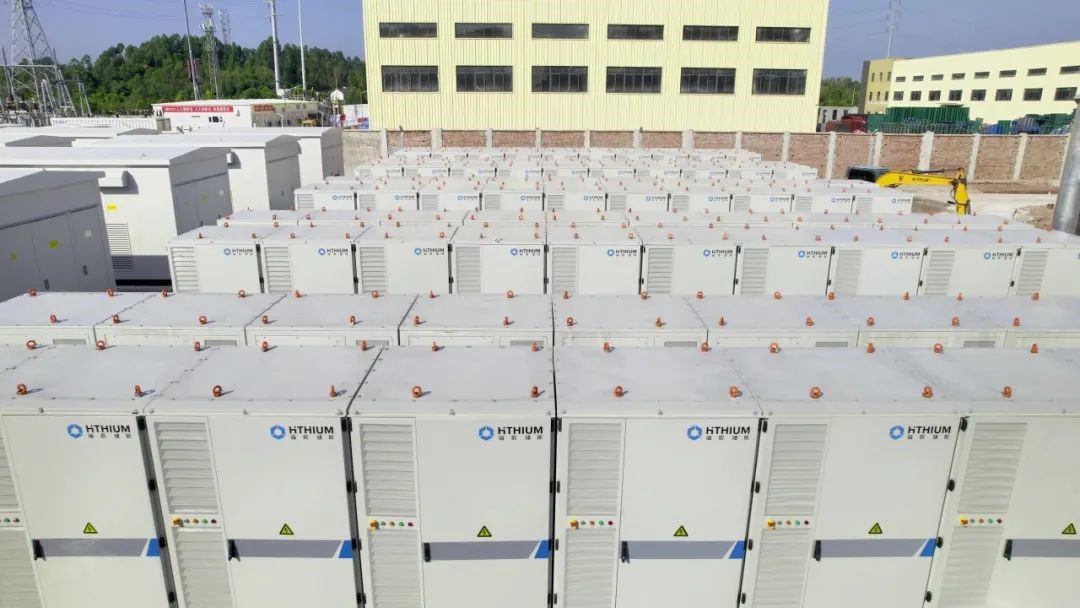
Traditional Choices That Quietly Cost You
Where do legacy habits trip us?
Legacy designs assume steady behavior in a world that pulses. Static SoC bands, fixed inverter limits, and weekly EMS schedules look safe on paper. In practice, they slow you down. I have opened 2019-era specs that force 20–80% SoC for “battery health,” only to learn the cell chemistry is LFP with proven stability at wider bands. That single decision can shave 6–10% off usable energy over a month. Add slow ramp rates on power converters and you miss regulation signals or export caps—money left on the table. On a 100 MW/400 MWh site near Bakersfield, a fixed 2-minute ramp meant the plant failed 14% of AGC calls in July 2022. After we moved to adaptive ramps linked to cell temperature and inverter headroom, failed calls dropped to 3.1%. The stack was the same; the logic was smarter.
Procurement locks in trouble, too. A cheap EMS without edge computing nodes means latency at the worst moments. You see it as scattered dispatch and noisy frequency response. And thermal rules that ignore ambient spikes—Phoenix knows this pain—derate power just when the evening peak pays best. I have watched operators switch to manual to chase the curve—an exhausting workaround, and it breaks alarms. Honestly, you can trace the line items with a pencil, and it all comes into view: narrow SoC logic, conservative C-rate caps, coarse telemetry, and a BMS that samples slowly. Each cut looks small—together, they bend your P&L.
Comparative Moves That Reset the Baseline
What’s Next
Here is where the change feels different: we compare old “static” control to “adaptive” control and let the meters decide. Start with principles. Grid-forming inverters hold voltage when the grid stumbles, so you ride through faults instead of tripping. An adaptive SoC window shifts with degradation state and ambient temperature; the EMS watches impedance rise and widens or tightens bands by a few percent. Edge logic at the substation breaker cuts round-trip latency from 400 ms to 80 ms—dispatch lands on time. Pair that with DC-coupled PV, and you cut conversion losses while catching clipped energy for the afternoon peak. Add cell-level thermal mapping, and fans stop blasting at noon for no reason. It reads like a small patch— a tricky pivot, I admit—but it changes outcomes.
Two snapshots from my files. Kern County, March 2023: 100 MW/400 MWh LFP, liquid cooling. We moved from fixed to adaptive dispatch tied to feeder limits and inverter heat. Curtailment fell 11%, and monthly revenue rose 9.4% with the same hardware. South Texas, September 2023: 50 MW/200 MWh, hurricane season. Grid-forming mode plus faster SoC recovery cut outage ride-through events by half and reduced downtime to 0.7%. In both projects, the utility scale energy storage company provided quicker firmware hooks and higher-resolution telemetry, so our EMS rules could actually breathe. Not magic—just better timing, tighter feedback, and fewer blind spots.
If you want a simple way to judge options before you award the EPC, I suggest three metrics that never lie. First, control fidelity: latency from EMS command to inverter response under load (target: sub-100 ms on-site; log it weekly). Second, usable energy stability: variance in available MWh across hot and cold weeks at a fixed degradation state (keep variance under 5%). Third, protection intelligence: how many nuisance trips per 1,000 operating hours once grid-forming mode is enabled (drive this below 1.0 with proper tuning). Measure these, and you will see who is serious. Close the loop with regular log reviews—on Tuesdays works best for crews, in my experience—and small changes will stack into real money. I prefer solutions that let operators move fast without guessing; they sleep better, and the plant behaves. For reference and further study, see HiTHIUM.