Introduction — a quick scene, some numbers, one honest question
I remember standing at a factory line as a roll of tissue tore mid-run and everyone held their breath — that tension sticks with me. As a wet wipes machine manufacturer, I’ve seen how small failures cascade into big losses (and yes, coffee helps during long debug sessions). Last year, mid-sized converters reported downtime costing them up to 7% of annual output on average — that’s real payroll, real freight, real headaches. So how do we cut those losses and still scale smartly without burning the team out?
Here’s the short version: we need equipment that respects real operators, not just spec sheets. That means thinking beyond specs like cycle speed and focusing on the whole system — PLC logic, servo motors, and the wetting system must work together. I’ll walk you through what I’ve learned, what usually goes wrong, and what to look for next — practical stuff you can test Monday morning.
Part 2 — Where traditional solutions fail (and what users quietly endure)
pet wipes makers often buy machines to hit headline speeds, then live with the fallout. In practice, legacy lines prioritize peak RPM over steady throughput. Technically speaking, a rotary die cutter might spin fast, but if the tissue rewinding stage isn’t synchronized because of clumsy PLC mapping, you get web breaks. That’s a classic mismatch: hardware capability outpaces control logic. I see it all the time — operators patch processes with tape and ad-hoc SOPs. Look, it’s simpler than you think: mismatched servo motors, inconsistent nozzle wetting, and poor tension control cause most stops.
Why does this keep happening?
Because traditional procurement often ignores human factors. Engineers buy the fastest specs; supervisors want the lowest bid; operators want repeatable setups. The result: machines that meet paper specs but fail under real shift changes or raw material variance. Pain points? Frequent manual adjustments, unexpected web breaks, and long changeover times. Add in a shaky wetting system and you’ve got variable pick-up and inconsistent wipe wetness — customers notice. I’d rather see teams prioritize reliable PLC recipes, robust tension control, and accessible HMI layouts than chase nominal top speed. That small shift reduces scrap and stress — and trust me, morale improves too.
Part 3 — What comes next: principles and a forward-looking view
Looking ahead, I expect manufacturers to lean on smarter control principles rather than big hardware alone. Start with modular automation: tight integration between servo motors, PLC, and feedback sensors gives you repeatable cycles and simpler troubleshooting. For pet wipes production, that means precise dosing from the wetting system, consistent tissue rewinding tension, and configurable recipes for different substrates. It’s not sexy, but it’s effective — funny how that works, right?
Real-world impact — what changes for teams?
Teams gain a few practical wins: shorter changeovers, fewer web breaks, and predictable yield. We tested a line that switched from rigid mechanical cams to electronically timed profiles and cut scrap by nearly 30% within two months. The human side matters too — operators spend less time babysitting and more time improving quality. My takeaway: invest in control quality and serviceability over headline speed. If you evaluate new machines, weigh sensor density, HMI ergonomics, and spare-parts accessibility as much as peak RPM.
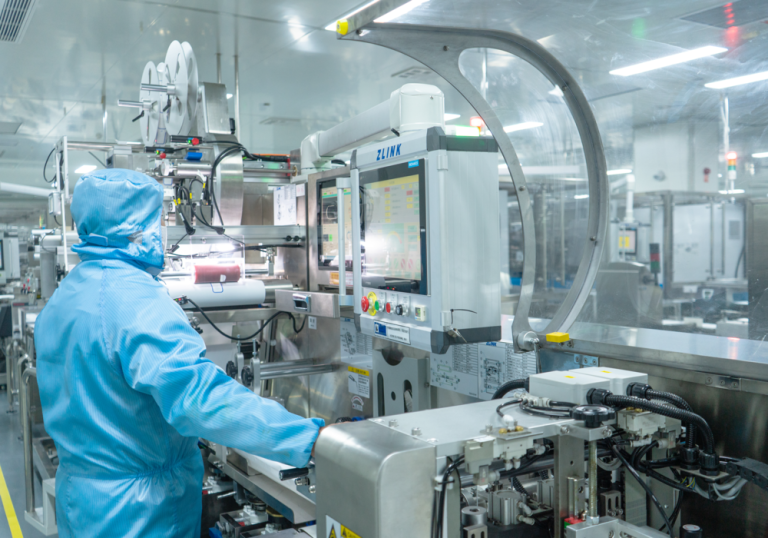
In closing, here are three quick metrics I personally use when judging new equipment: mean time between stoppages (MTBS), recipe changeover time, and first-pass yield. Those numbers tell the real story. We’ve built our perspective from hands-on runs, operator feedback, and a few sleepless nights. If you’d like to compare specifics or see a checklist, I’m happy to share — and yes, I favor partners who care about both the line and the people on it. ZLINK