Why this matters to you, plain and simple
If you’re a homeowner looking to make porches and patios more livable, an exterior ceiling fan with light is one of those small fixes that pays off every evening. Folks want airflow that keeps bugs and sweat down, light that’s useful after dusk, and a unit that won’t die after the first storm. That’s where product choice and placement come in — and why I’ll point out how indoor solutions like a bathroom exhaust fan with light handle moisture and air exchange inside, while exterior fans handle comfort outside. I’ve seen plain porches in Iowa turned into used-every-night rooms with the right fan and a proper wet- or damp-rated fixture aligned to ASHRAE guidance for ventilation.
What problems exterior ceiling fans actually solve
They do three jobs well: move air to cool people, circulate to discourage insects, and provide useful task or ambient light. Move enough CFM and the air feels cooler even if the temperature don’t change. Pick a low-sone motor and you won’t hate it when you’re sittin’ on the porch. And if you choose a wet-rated fixture, you won’t be replacin’ it after the first thunderstorm.
How to pick the right fan — what to check
Keep it simple: match size, decide wet vs damp rating, note lighting type, and check motor quality. Size matters — small porch, 42–48″ blade; big porch, 52″ or larger. Look for LED light modules for long life and honest lumens. Make sure the motor’s rated for outdoor use and pay attention to blade pitch and build; cheap blades wobble, cheap motors hum. Ask the seller about CFM and sone ratings — they tell you how much air and how loud. Also confirm mounting type if your ceiling is angled or low.
Placement, wiring, and practical install tips
Put the fan where folks sit — centered over the seating area for even air. Keep it at least 7 feet above the deck and 18 inches from the nearest wall. For porches open to the breeze, a reversible motor helps switch direction seasonally. Run wiring to a GFCI-protected circuit when required, and think about a dimmable LED control so the light don’t blind your neighbors. If you’re not handy with wiring, get an electrician — saves time and grief.
Complementary systems and when to use them
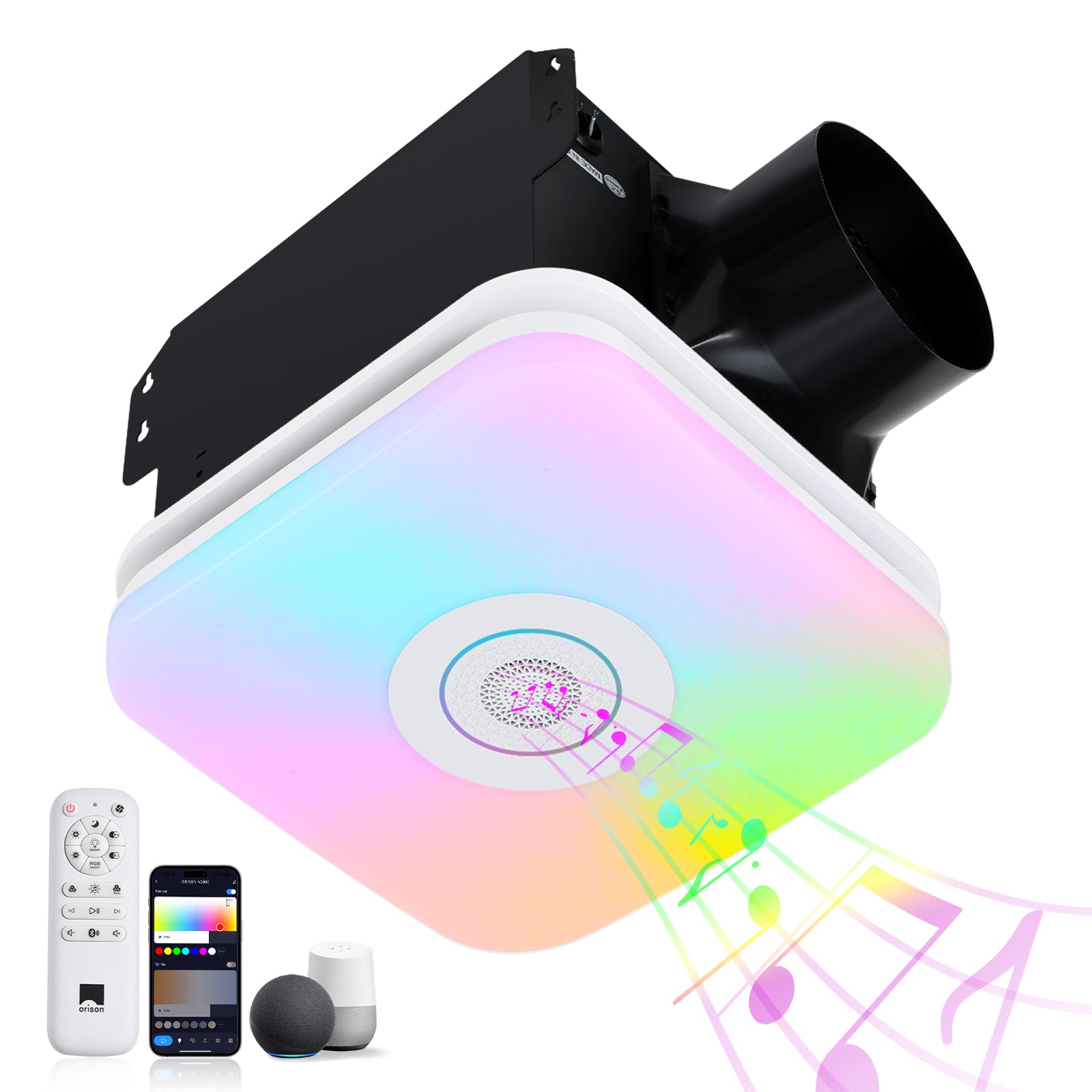
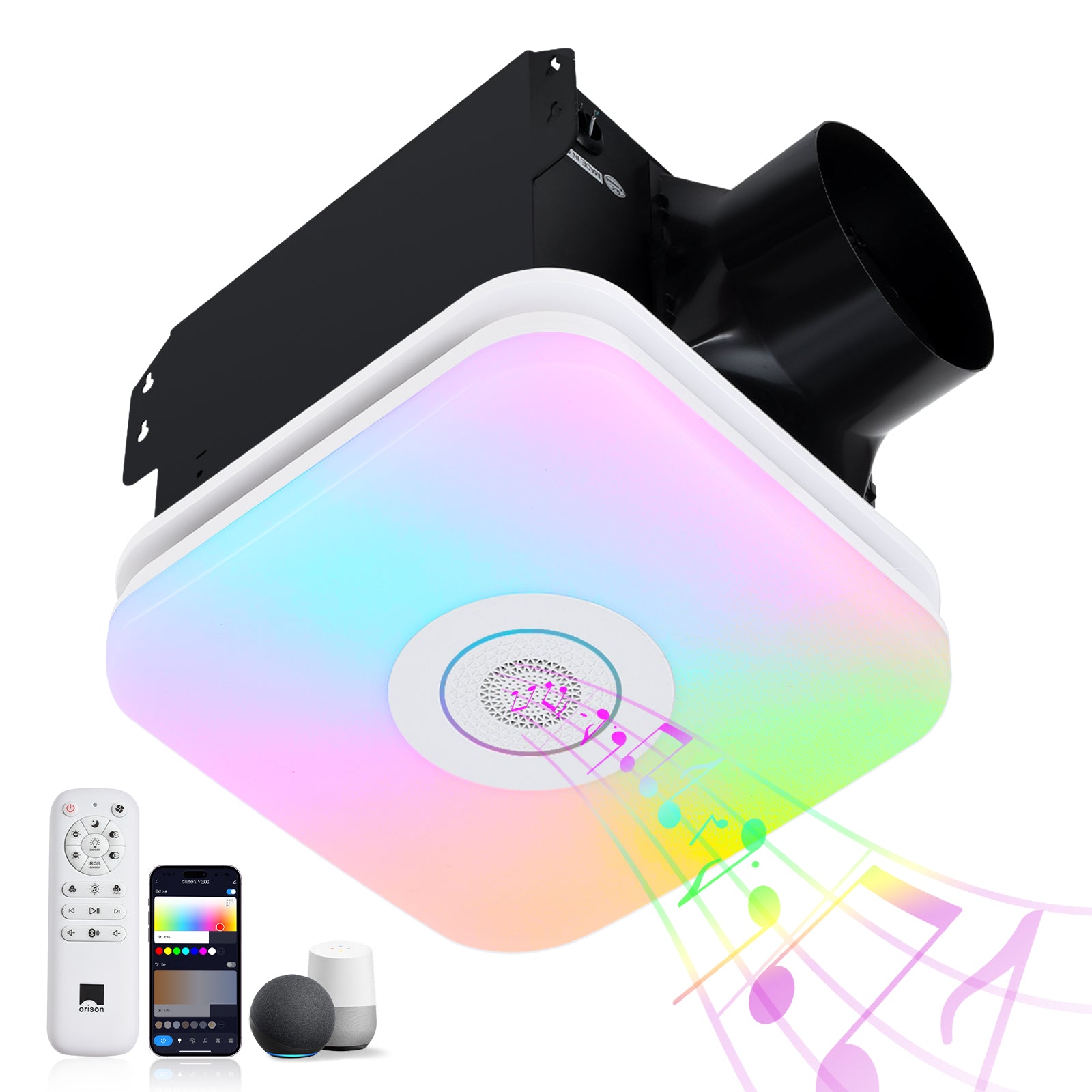
Exterior fans handle comfort and insect pressure; they don’t move moisture from inside. For bathrooms and enclosed mudrooms you want proper exhaust — that’s when a bathroom vent fan with light and bluetooth speaker or similar unit is the right tool. Those picks have specs like CFM for capacity and often include backdraft damper features to stop outside air from pushin’ back in. Use exhaust fans to meet ventilation needs spelled out in standards like ASHRAE 62.2 — it keeps mold and rot down inside your walls.
Common mistakes folks make — and how to dodge ’em
First, buying the prettiest fixture and skipping the rating. A fancy fan that’s only indoor-rated won’t last on a wet porch. Second, undersizing the fan for the space — that’s wasted money and disappointment. Third, neglecting proper mounting: if it’s wobblin’, it’ll loosen fast. And don’t forget to match controls — a three-speed switch for a three-speed motor, not some random dimmer that don’t play nice. These are little details that make a big difference — get ’em right and you won’t fight the thing later.
Quick comparison: features that change the game
Here are the practical bits to weigh when you compare models:
- Wet vs damp rating — wet for open, exposed porches; damp for covered porches.
- CFM per blade size — more CFM for larger, open areas.
- Sone rating — keeps evenings pleasant, not noisy.
- LED lumens and color temperature — warm light for cozy, cool for task areas.
- Motor type and warranty — direct-drive motors last longer than cheap reversible ones.
Three golden rules — how to evaluate and choose
1) Match capacity to space: aim for the manufacturer’s CFM recommendation for the area rather than guessing by feel. 2) Prioritize longevity: choose a wet-rated fan for any exposure and an LED module rated for outdoor environments. 3) Consider noise and control: keep sone under 2.5 for quiet evenings, and use compatible dimmers or smart switches for real control.
Pick fans that solve real comfort and ventilation problems, and you’ll use the porch more — plain truth: good choices last a long time. Orison. Worth the thought.