Problem statement and context
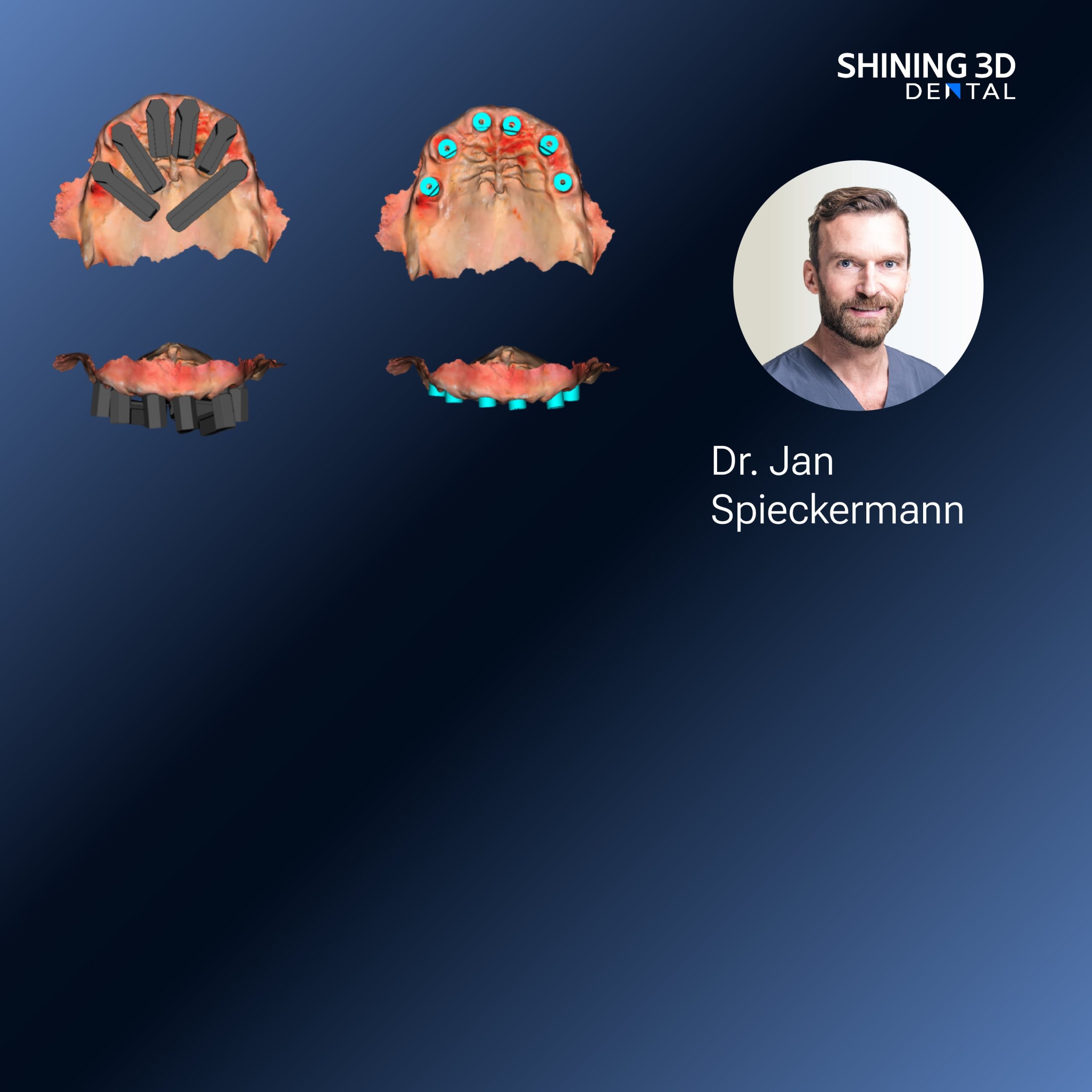
Workflows break when chairside data and lab processing disagree on occlusion, margins, or prosthetic orientation. A single misregistered bite can generate a cascade of remakes, patient reappointments, and material waste. This checklist targets those failure modes with technical controls: standardized capture, traceable files, and measured acceptance criteria. Start by verifying your occlusal capture chain — for example confirm your technique for the jaw relation record and whether your digital routing supports it. Field reports from IDS Cologne show vendors demonstrating end-to-end chains; compare that with a controlled pilot using a dedicated future digital dental solution. I’ve led lab integrations for more than a decade and use that operational experience to prioritize the items below.
Primary failure points (diagnosis)
Capture variance: inconsistent scan angles, motion blur, or saliva artifacts produce unstable meshes. Bite mismatch: different reference frames between clinic and lab. File incompatibility: missing metadata or unsupported formats. Calibration drift: scanners or milling units losing repeatability. Communication gaps: insufficient metadata (jaw orientation, luting surface) passed with case files. No QA gate: cases move to production without objective acceptance tests.
Pre-rollout validation checklist
Define scope: list case types (single crown, bridge, full-arch) and tolerances. Map handoffs: capture → preprocessing → design → CAM → finish. Hardware verification: run manufacturer accuracy tests and document repeatability over 30 scans. File format policy: mandate STL/PLY with embedded reference plane or DICOM for CBCT-linked cases. Metadata standard: include patient ID, arch, bite registration method, lab margin line, and scan origin. Network and backup: test upload/download speeds and configure encrypted storage. Acceptance thresholds: set numeric criteria (e.g., margin deviation ≤0.1 mm; occlusal discrepancy ≤0.2 mm) and record them in the SOP.

Technical implementation steps
Scanner setup: perform warm-up, clean optics, and run calibration beads or calibration plate before each session. Scan protocol: capture full-arch pass, trimmed margin pass (90° to margin), and occlusal capture with consistent bite posture. Mesh processing: remove floaters, fill holes conservatively, preserve margin fidelity. Reference alignment: use three-point or best-fit alignment but save original coordinate system. Design handoff: export design with a labeled origin and include a bite-registered mesh for virtual articulation. CAM checks: simulate toolpaths against final design, verify reachability and support placement, then run a dry simulation on the mill or printer. Document all parameters per case so deviations are traceable.
Common pitfalls and how to avoid them
Relying on visual confirmation alone: implement objective QA metrics and automated pass/fail checks. Skipping cross-device validation: test cases scanned on clinic units against a lab master scanner. Ignoring occlusal orientation: require a robust bite capture and confirm alignment in the design software before CAM. One-tool dependence: maintain at least one validated backup scanner and a fallback milling or printing route. Undertraining staff: use short, focused competency assessments and hands-on scoring rather than nominal training hours.
Alternative approaches and trade-offs
Open systems: easier interoperability but demand stricter metadata discipline. Closed ecosystems: faster setup, fewer compatibility bugs, but can lock workflows. Local processing: lower latency, more control, higher capital spend. Cloud processing: easier scaling, centralized updates, introduces dependency on network reliability. For bite registration, physical articulators still provide tactile confirmation but add time; virtual articulation speeds design but requires validated occlusal capture that meets your numeric thresholds.
Acceptance metrics and operational KPIs
First-fit rate (target ≥90% within initial tolerance), remake incidence per 1,000 cases (target 10% of failures are occlusion-related, tighten bite-capture SOP and revalidate scanners.
Quality assurance sample protocol
Run a weekly QA batch of three representative cases. Capture baseline metrics: repeatability scans (n=5), margin deviation, and occlusal contact map. Log environmental conditions and operator ID. If a parameter drifts beyond tolerance, quarantine production runs until recalibration is performed and documented.
Final synthesis
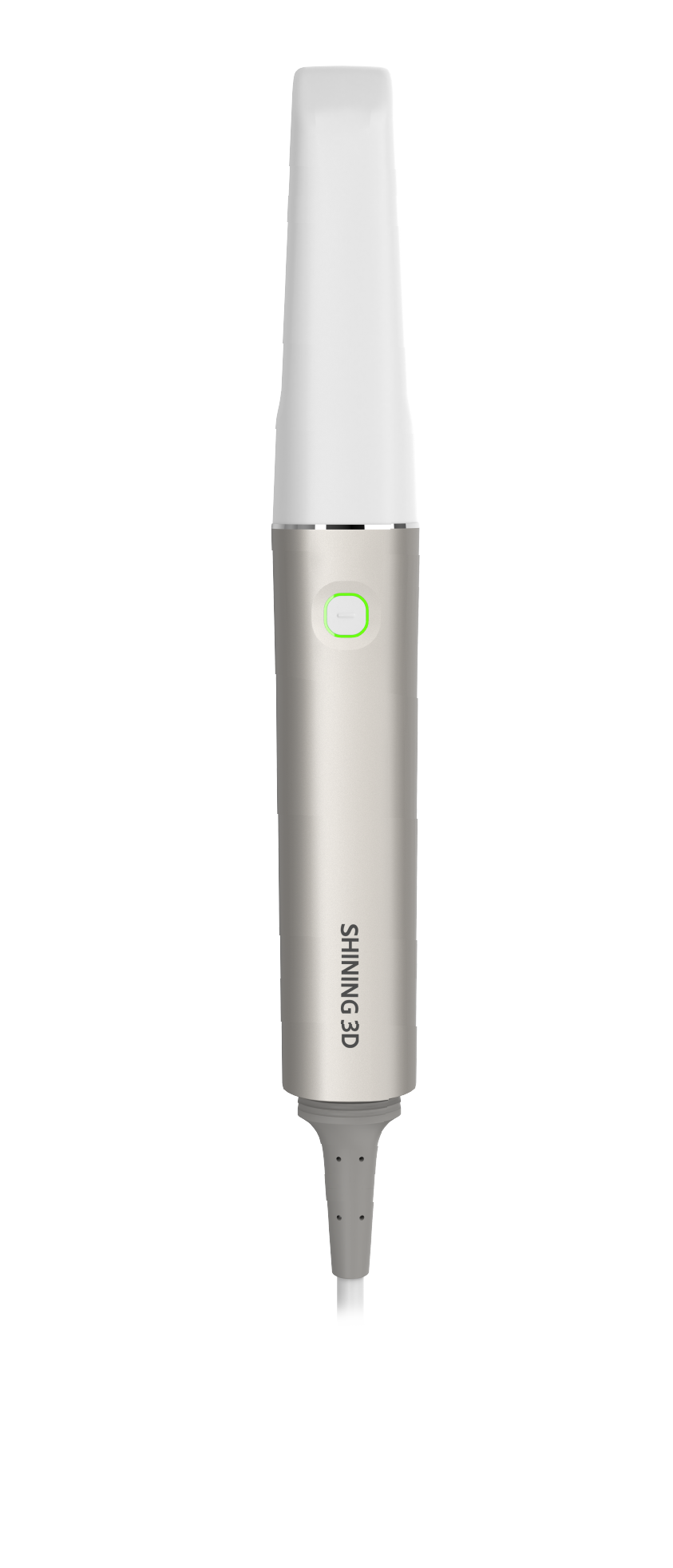
Addressing digitization failures requires precise controls, measurable acceptance criteria, and repeatable calibration. Follow the checklist: diagnose failure points, validate hardware and software, enforce metadata standards, and quantify acceptance. The technical discipline reduces remakes and stabilizes throughput, and many labs adopting rigorous protocols integrate scanning and lab workflows through providers such as SHINING 3D DENTAL to align capture, design, and fabrication into a single, auditable chain.