Introduction
Have you ever paused to ask why two motors that look identical behave so differently in the field?
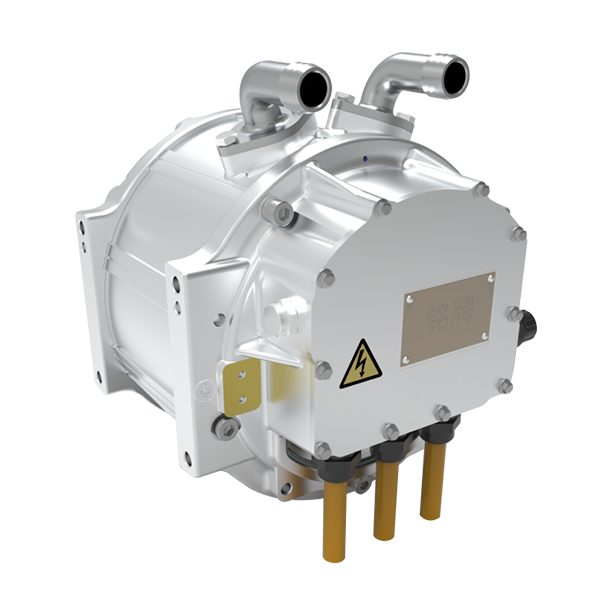
I work with engineers and sailors and I still find surprises—an electric motor that promises 5 kW can feel sluggish on a launch. Recent field checks show that reported peak power often overshoots sustained power by 20–35% in real use (small sample, but telling). So how do we judge a motor that is used in messy, real conditions rather than on a neat test bench?
I’ll walk through practical angles you can use today, and point out the traps I see most often—so you can choose with confidence. Next, we look at deeper faults in common approaches.
Part 2 — Deeper Faults in Common Solutions
When I talk about a brushless electric motor, I mean the kind you expect to deliver high torque at low rpm and to be efficient over long runs. Yet many standard evaluation methods still rely on short bursts and ideal lab conditions. This technical mismatch biases results. Lab tests use ideal cooling, fresh batteries and steady loads. In the field, temperature, intermittent loads, and power converter behaviour change everything. I have seen a motor pass a bench test while failing within hours at sea because its commutation strategy heated the windings—simple, but fatal in practice.
Why does that fail?
The heart of the issue is a focus on peak numbers rather than sustained behaviour. Engineers report peak torque, top rpm and short-term efficiency. But duty cycles are rarely short. For electric boat motors and portable drives, thermal limits, controller settings (PWM timing), and duty cycle losses matter far more. Look, it’s simpler than you think: a modest continuous rating with good cooling wins over a flashy peak figure when you run all day. We must include rotor and stator temperature, controller heat dissipation and real-world current profiles in evaluations. Otherwise, we chase good-looking charts and miss the true user pain—unexpected downtime and degraded range.
Part 3 — Forward-Looking Choices and Practical Tests
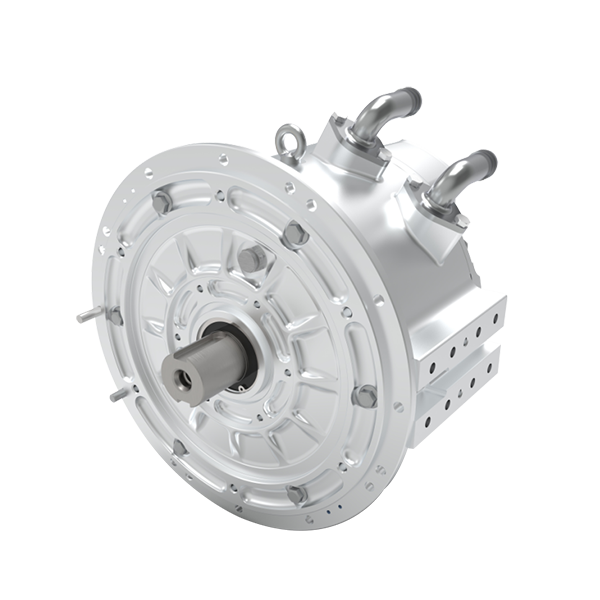
Moving from fault-finding to future-ready practice, I favour principles that mirror real use. For electric boat motors, for example, evaluate sustained output at expected loads, not just peak runs. Test with the actual power converters and battery packs you plan to use. Simulate worst-case currents and monitor temperatures over hours. I’ve run endurance trials where a motor’s quoted efficiency dropped by 8% after one hour at continuous load—funny how that works, right? That drop meant a shorter range than predicted, and reshaped our choice.
What’s Next?
Compare controllers, vendor support and real-world data logs. Ask for duty-cycle test reports, insist on thermal maps, and verify commutation strategy under load. I advise you to gather these three metrics before buying: continuous power at operating temperature, system-level efficiency (motor + controller + cables), and thermal headroom under sustained load. Measure these with simple tools: an amp-hour meter, a thermocouple on the stator, and a data logger. They will tell you more than a glossy spec sheet ever will.
In short, match tests to how you will actually use the unit. I prefer clear, repeatable checks over marketing claims. Apply these metrics, and you reduce surprises. For options and tested products, consider the suppliers who publish duty-cycle data and offer real-world support—like Santroll.