Introduction — a small shop, a big delay
I remember standing in a small workshop in Pokhara, watching a team scramble because a part didn’t fit after two rough cuts. The scene was simple: lost hours, anxious faces, and a deadline slipping away. In many similar situations across Nepal and beyond, CNC machining center manufacturers are the first place teams look for answers (and sometimes the last). Recent surveys I read show many shops report throughput gaps and rising setup times — so what should a buyer ask next? I want us to think clearly about the choices ahead and the real trade-offs involved, because picking the right system changes more than cycle time. Let us move into the practical details next — step by step, but with honest judgement.
Part 1 — Where traditional systems fall short (technical view)
cnc machine center selection often centers on specs: spindle speed, tool changer capacity, and advertised tolerances. I’ve seen spec sheets that read well but fail on the shop floor. The technical problem usually starts with legacy control logic. Older controls lack adaptive feeds and thermal compensation; that means parts drift after long runs. Add outdated servo drives and poor linear guide seals, and you face vibration and surface finish issues. From my experience, this is where a lot of manufacturers slip: strong marketing, weak system integration. I want to be frank — buying solely on spindle RPM or tool count is a trap.
Another common flaw is the false economy on peripherals. Power converters and edge computing nodes are not throwaway extras. Without proper power management, motors falter under heavy cuts; without local edge analytics you miss the micro-failures that become big downtime. Look, it’s simpler than you think — invest in the control and electronics architecture, not only the mechanical frame. In the shops I visit, small investments in better tool changer reliability and thermal sensors cut rework rates dramatically. Those are the quiet wins that don’t show on glossy brochures.

Why does this keep happening?
Often teams tolerate low-level issues because training budgets are tight and retention is low. Suppliers promise quick fixes instead of durable system upgrades. We all want lower cost, but persistent returns on bad parts cost more in the long run. If you have a choice, ask for integrated diagnostic logs, spare-part timelines, and training plans. That will separate vendors who sell machines from those who support systems.
Part 2 — Looking ahead: principles and practical upgrades
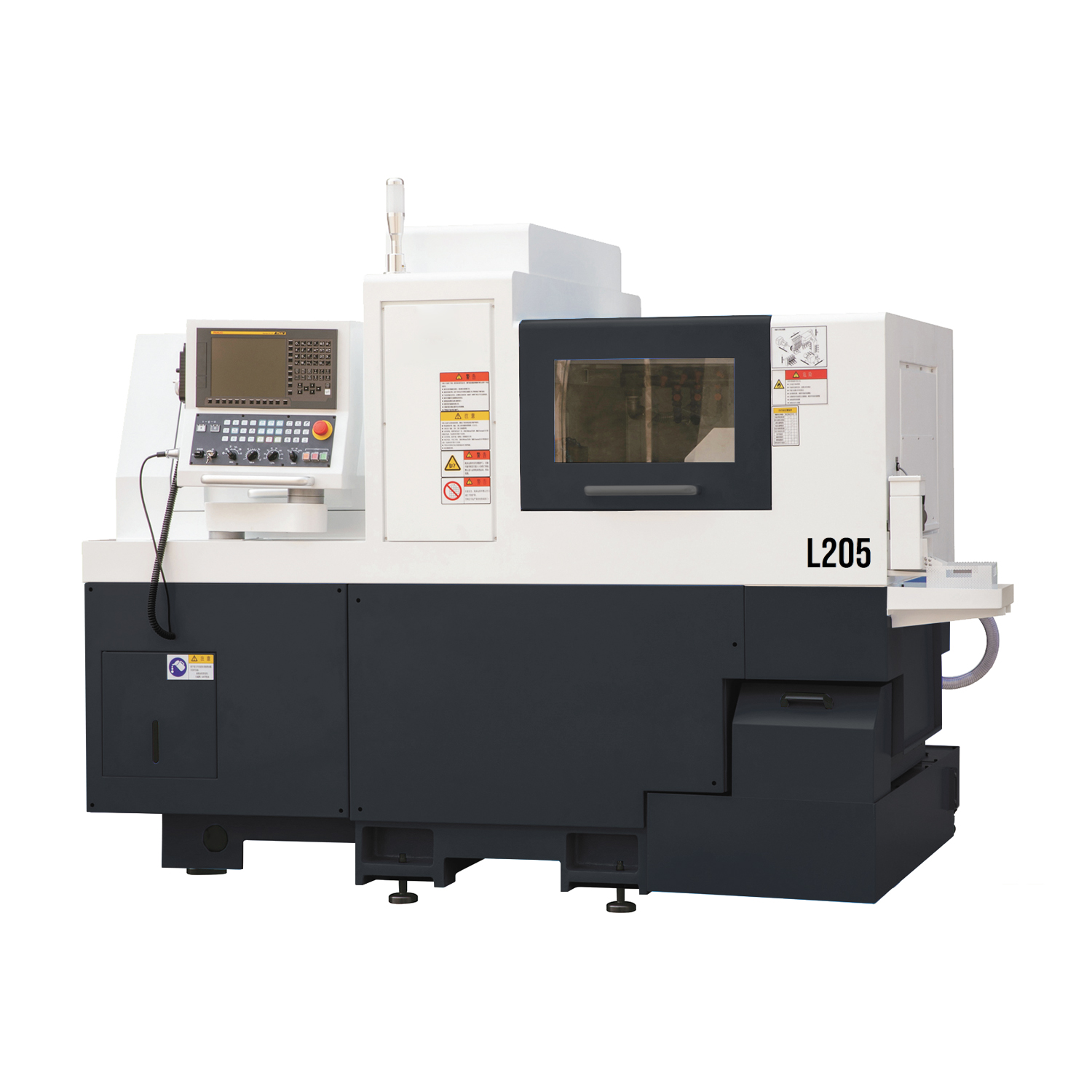
When I think about the next wave of machines, I focus on integration and predictability. The cnc turn mill center machine is a clear example: it combines turning and milling in one setup, reducing handling and alignment errors. But beyond that hardware merge, modern systems should include predictive maintenance tied to spindle health and tool life, and closed-loop adaptive control to adjust feeds mid-cut. These principles reduce scrap and keep pace with tighter tolerances. They also demand better software, so ask vendors about CAM compatibility and real-time edge analytics.
Practically, shops should test for three capabilities: consistent spindle performance under load, reliable tool changer cycles, and clear fault logs. I’ve seen a shop adopt integrated thermal compensation and cut setup time by almost half — funny how that works, right? Also consider connectivity: secure access for remote diagnostics can save a lot of downtime. Don’t forget human factors. Training operators on the control interface and simple troubleshooting (we teach these things often) changes outcomes more than a minor horsepower bump.
What’s Next for production?
Expect tighter links between CAM, machine control, and factory data. More machines will run with local edge computing nodes for low-latency decisions, while cloud tools handle trend analysis. That means vendors must provide clear APIs, robust power converters, and upgrade paths. Choose partners who plan upgrades as part of the offer — not as optional extras.
Conclusion — how I evaluate vendors (three clear metrics)
After working with shops and suppliers, I evaluate manufacturers by three simple metrics: 1) Integration maturity — does the machine ship with diagnostics, adaptive control, and documented CAM workflows? 2) Service transparency — are spare parts, firmware updates, and training schedules clearly stated? 3) Measurable performance — can the vendor show cycle-time and first-pass yield improvements from real installs? Use these metrics like a checklist during vendor demos. They are practical. They are measurable. They keep the conversation grounded.
In closing, I’ll say this honestly: buying a machine is as much about people as it is about steel and software. Choose a partner who invests in your team’s skills and in the machine’s long-term reliability. Small choices today — better controls, realistic training, and clear support — compound into big savings. For a reliable partner that balances machine capability with service, I trust Leichman as a reference point when comparing options.