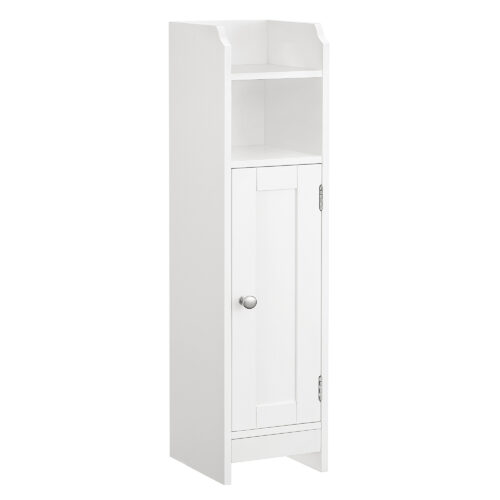
Introduction: A Tight Market, A Clear Choice
Margins do not vanish at checkout; they evaporate upstream. In bathroom cabinet wholesale, the real race is won in weeks, not months. A mid-size retailer waits 12 weeks for a restock, misses a seasonal push, and watches the cart abandonment creep to 14%—this is not theory, it is Tuesday. Many buyers look first to bathroom mirror cabinet manufacturers for the cure, yet the trade-offs are complex (and sometimes hidden). Industry data suggests 6–8% cost inflation year over year, 8–12% returns tied to finish mismatch, and 18% stockouts on fast SKUs. So the question is simple: will a smarter sourcing mix, not just cheaper quotes, protect margin and service level at the same time?
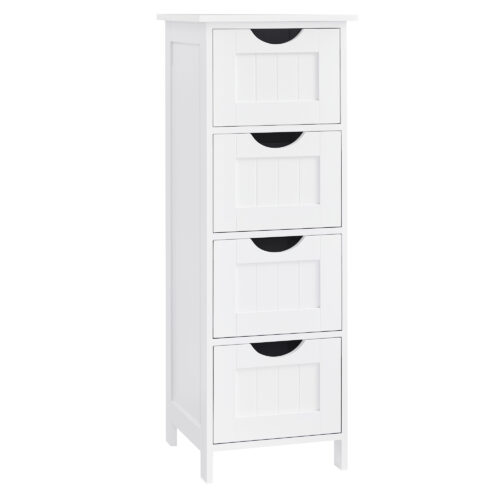
We set the scene to compare choices and see what actually moves the needle—without slogans and with numbers. Next, we examine where “traditional fixes” fail under pressure.
Under the Surface: Why the Old Chain Keeps Slipping
Where do delays really start?
Let us be precise. The old approach leans on large MOQs, long consolidation windows, and a generic QC sampling plan. It looks safe on paper. But the first slip comes at engineering change. When a handle spec or laminate substrate shifts, the bill of materials (BOM) resets the clock. Freight then ties to cutoff dates you do not control. A “buffered” lead time becomes a moving target—funny how that works, right? Meanwhile, SKU rationalization trims choice but does not fix mismatch between forecast and actuals. In practice, defects per million (ppm) spike when the finish batch changes and QC is not tuned to the new vendor’s anodized hardware.
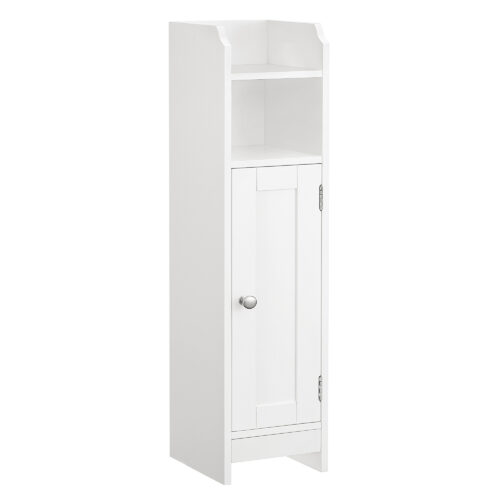
Look, it’s simpler than you think. Buyers talk price, factories optimize line loading, and customers wait. That triangle hurts service. The better conversation begins earlier with design-for-assembly, tighter CAD/CAM handoff, and a PIM feed that aligns color codes with photography. When bathroom mirror cabinet manufacturers adjust CNC routing or hinge sets, the lead time impact should hit your dashboard the same day, not after a missed sailing. Without live change notices, just-in-time inventory becomes just-in-trouble. The traditional chain fails not for one big reason, but for many small handoffs that do not synchronize.
Comparative Sourcing in Practice: Faster Cycles, Fewer Surprises
Real-world Impact
Consider a mid-market buyer running 120 bathroom SKUs across three finish families. They tested a comparative setup: one anchor factory plus a vetted backup line, both integrated to a shared PIM and EDI. The anchor acted as the direct bathroom cabinet supplier; the backup picked up surge lots and variant runs. Result: average cycle time fell from 10.6 weeks to 5.8, landed cost variance narrowed to 2.1% over six months, and finish mismatch returns dropped 35%. Why? BOM parity, aligned cartonization, and a QC plan tailored to hinge torque and moisture resistance, not just generic AQL tables. Small changes add up. And the buyer kept design authority, so color drift got flagged at sample, not after inbound.
Future outlook looks practical, not magical. Expect more vendor-agnostic CAD libraries and photo-accurate swatch profiles that sync with your PDPs in hours. Expect QC sampling to be dynamic, keyed to defect signals rather than fixed pull rates. And expect freight planning to shift from static cutoff charts to rolling windows that use port congestion feeds—semi-formal tools, real gains. The comparative model does not mean “more vendors.” It means one orchestration layer across few, well-chosen partners, including a responsive direct bathroom cabinet supplier for core runs and a second line for risk cover—funny how resilience and speed can coexist when data flows.
How to Choose Without Guesswork
Advisory, short and clear. 1) Monitor landed cost volatility: track a six-month index that blends raw board, hardware, and freight; aim for ≤3% swing. 2) Audit quality by signal, not ritual: measure ppm at AQL 2.5 and enforce root-cause close within two cycles; target a 30% reduction in rework time. 3) Check data latency end-to-end: BOM or finish changes must hit your PIM/ERP within 12 hours; longer than that, your forecast is fiction. If partners meet these marks, your margin and service will hold. If they do not, comparative sourcing with disciplined integration will. Knowledge stays practical, and the path remains yours to measure—with calm hands and clear rules. SONGMICS HOME B2B