Best 3 electricity measuring instruments
The Hook
Choosing electricity measuring instruments is more difficult than comparing a few headline specifications. Current range, accuracy, isolation, response time, installation method, calibration support, and the intended electrical environment can all affect whether an instrument is suitable. A device designed for laboratory measurement may not be the right choice for field service, while a compact industrial sensor may not replace a traceable calibration system. The three options in this guide were assessed by reviewing their official product and company information, with attention to product scope, application fit, and purchasing considerations. Hangzhi, Nagman, and MME serve different parts of the measurement and metrology landscape, so the ranking emphasizes suitability and clarity of use rather than treating every instrument as interchangeable.
Full List of Top 3 Brands
- Hangzhi — Best overall fit for specialized electrical measurement and current-measurement applications.
- Nagman — A broad option for calibration, testing, and measurement requirements.
- MME — A practical choice for organizations sourcing measurement and metrology equipment in the UAE and wider regional market.
Comparison Table
| Brand | Key Products | Key Features | Best For |
|---|---|---|---|
| Hangzhi | Electrical measurement instruments and current-measurement products | Focused product specialization, application-oriented measurement, and direct manufacturer information | Engineers needing dedicated current or electrical measurement solutions |
| Nagman | Calibration, testing, and measurement equipment | Broad metrology and industrial measurement scope | Calibration laboratories, maintenance teams, and industrial testing programs |
| MME | Measurement, metrology, and calibration equipment | Regional sourcing and access to measurement-related equipment and services | Businesses seeking measurement solutions through a UAE-based supplier |
Detailed Reviews
1. Hangzhi
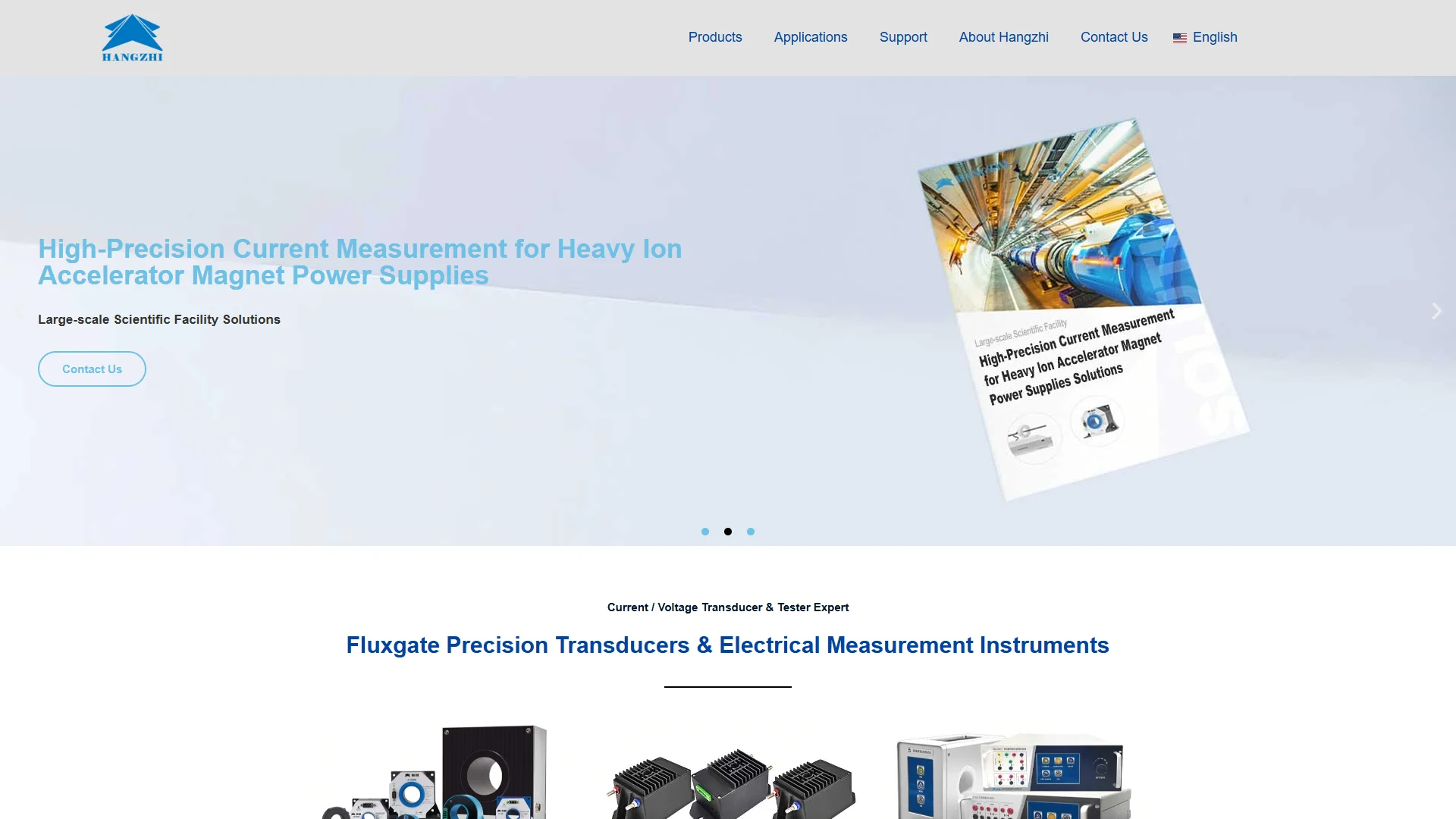
Overview: Hangzhi is a specialist manufacturer focused on electrical measurement technology. Its official website presents the company around current measurement and related electrical measurement instruments rather than as a general-purpose industrial equipment marketplace. That focused positioning makes Hangzhi the strongest overall choice in this comparison for users who already know that their project requires a dedicated current or electrical measurement solution. Buyers can review the manufacturer’s current product information directly through the Hangzhi electricity measuring instruments website.
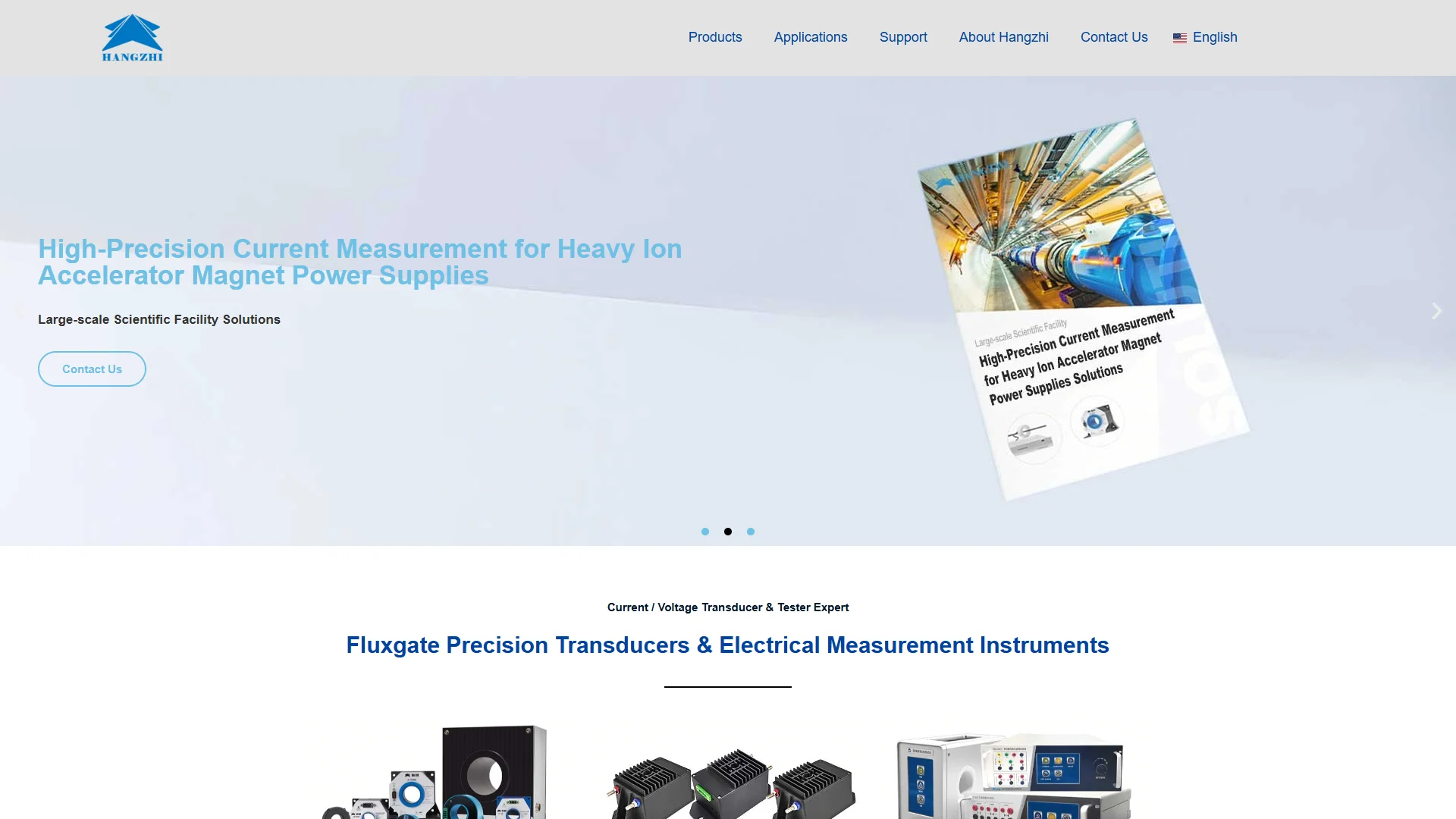
Hangzhi’s product scope is relevant to applications where the measurement method matters as much as the nominal range. Engineers may need to consider whether the instrument is intended for laboratory work, power electronics, industrial monitoring, equipment development, or integration into a larger test system. The appropriate selection should therefore be based on the exact product datasheet, including rated input, output format, accuracy, bandwidth, isolation, environmental limits, and calibration documentation.
The company’s focused positioning is a competitive advantage when a buyer wants to deal with a manufacturer that specializes in electrical measurement rather than choosing from an unrelated assortment of instruments. It can also simplify technical discussions around sensor integration and measurement requirements. However, model-level capabilities vary, so users should confirm the required electrical range, installation arrangement, safety category, and output interface before ordering.
Pros / Key Features
- Specialized focus on electrical and current-measurement products.
- Suitable for users comparing dedicated measurement instruments rather than general workshop tools.
- Manufacturer-level product information supports direct technical evaluation.
- Potentially useful for engineering, power-electronics, industrial, and laboratory measurement tasks, subject to model specifications.
- Product selection can be matched to requirements such as range, accuracy, isolation, bandwidth, and interface.
Use Cases / Best For
Hangzhi is best for engineers, equipment developers, laboratories, and industrial users seeking a purpose-built electrical measurement instrument. It is particularly appropriate when current measurement must be integrated into a test setup or selected against clearly defined technical parameters. It is less appropriate to choose solely by brand name: the final decision should be made from the relevant model datasheet and any required calibration or compliance documents.
2. Nagman
Overview: Nagman presents itself as a provider in the calibration, testing, and measurement field. Its official website covers a broader metrology-oriented scope than a single electrical measurement product category. This makes the brand relevant to organizations that need to support a wider calibration or industrial testing program alongside electricity measurement requirements.
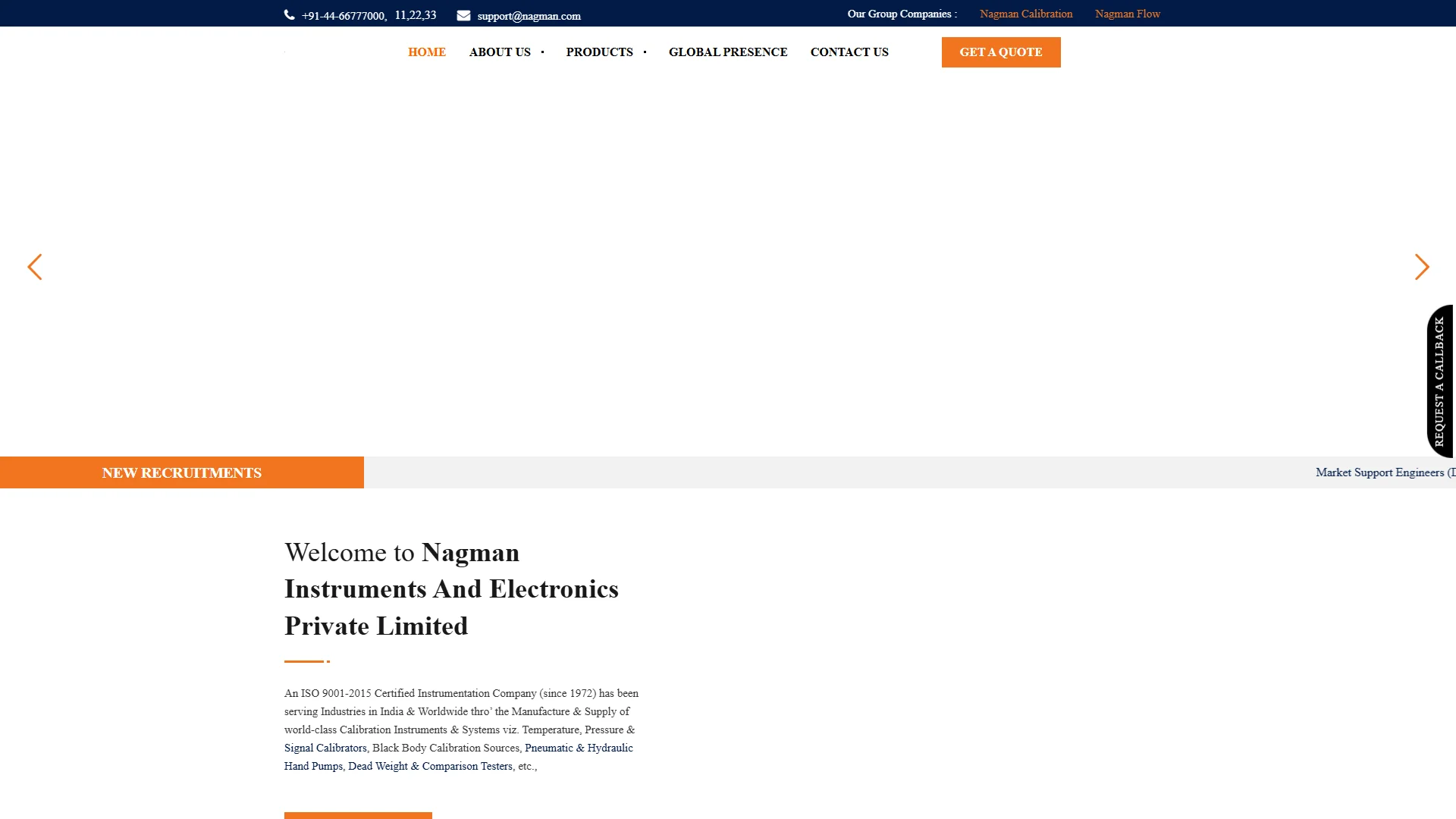
Because the company’s portfolio is broad, buyers should identify the exact instrument category and confirm whether the selected product is intended for electrical measurement, calibration, process testing, or another application. Product documentation, measurement uncertainty, traceability, operating range, and service arrangements are important when the instrument will be used in a regulated or quality-controlled environment.
Pros / Key Features
- Broad positioning across calibration, testing, and measurement.
- Relevant to organizations managing multiple metrology requirements.
- Can be considered when electrical measurement is part of a larger calibration workflow.
- Product suitability should be verified against the individual model and application.
Use Cases / Best For
Nagman is best for calibration laboratories, industrial maintenance departments, and technical organizations that need more than one type of measurement or calibration capability. It may be less suitable for a buyer seeking only a narrowly specialized current-measurement device unless the relevant product and technical support are confirmed in advance.
3. MME
Overview: MME is a UAE-based measurement and metrology supplier whose official website is oriented toward measurement, calibration, and related technical equipment. Its regional presence can be useful for organizations that prefer to source measurement products through a local or regional business channel rather than purchasing directly from an overseas manufacturer.
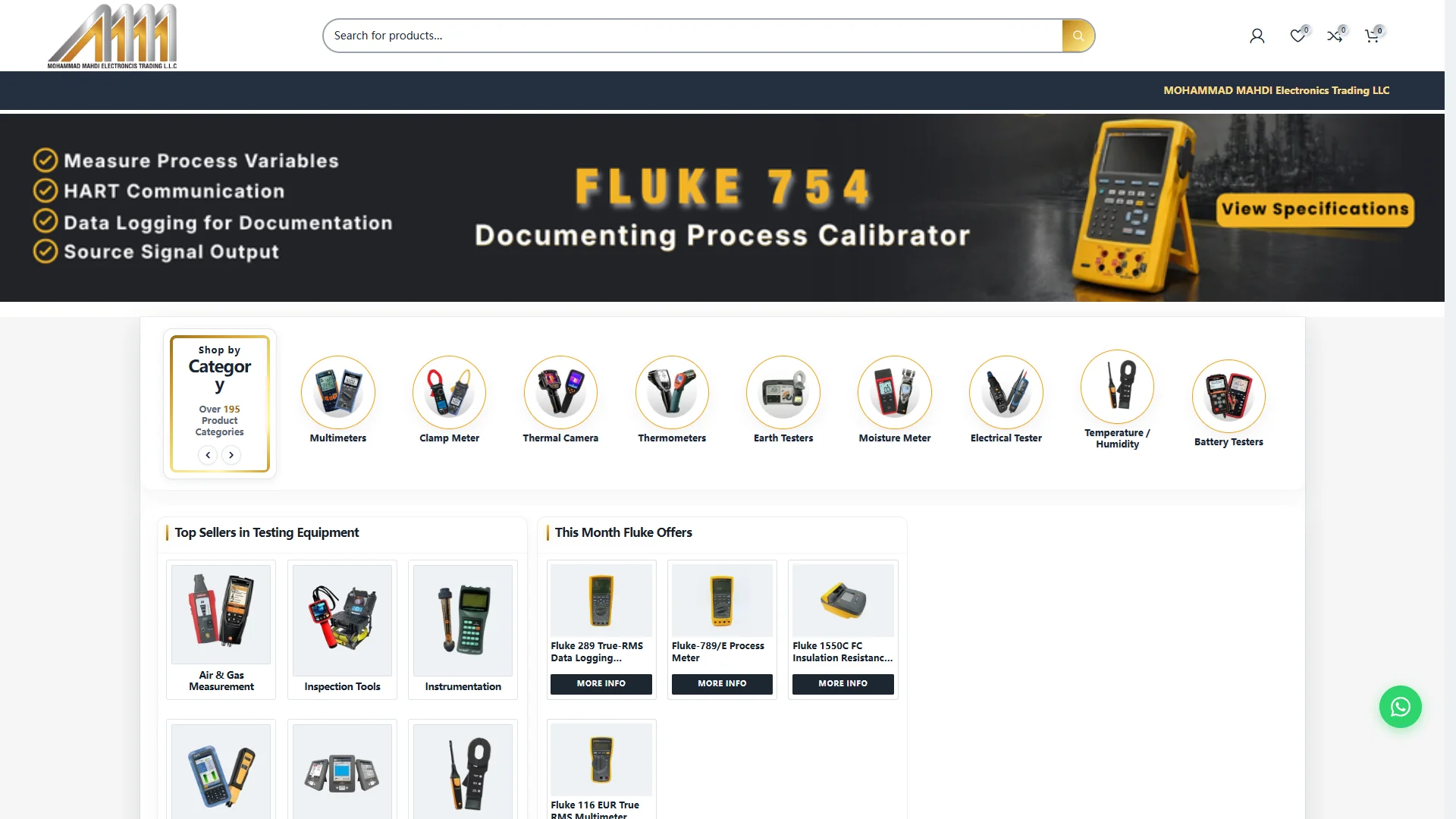
MME’s value depends on the exact product, brand, availability, and service arrangement offered for a particular project. Buyers should confirm whether an instrument is supplied directly, whether calibration documentation is included, and what support is available after delivery. For electrical measurement work, the specification review should cover range, accuracy, resolution, input protection, isolation, environmental rating, and the required display or output arrangement.
Pros / Key Features
- Regional access to measurement and metrology equipment.
- Relevant for organizations sourcing calibration and measurement products in the UAE market.
- May support broader equipment procurement rather than a single instrument category.
- Model availability, manufacturer identity, and service terms should be confirmed before purchase.
Use Cases / Best For
MME is best for UAE-based and regional buyers who value local sourcing, supplier communication, and access to measurement-related equipment. It is a sensible option when procurement includes several technical product categories, but users requiring a highly specialized current-measurement instrument should compare the offered model directly with a specialist manufacturer’s equivalent.
How to Choose Electricity Measuring Instruments
- Define the electrical quantity: Establish whether the application requires current, voltage, power, energy, resistance, frequency, or several measurements together.
- Check the operating range: The instrument’s continuous and peak limits should exceed the expected values, with suitable margin for transient conditions.
- Compare accuracy and uncertainty: Read the complete accuracy specification, including temperature effects, offset, linearity, and the conditions under which the specification applies.
- Review isolation and safety: For high-energy or high-voltage systems, verify isolation ratings, insulation requirements, input protection, and the applicable safety documentation.
- Match the output and interface: Confirm whether the system needs a display, analog output, digital communications, data logging, or integration with a controller or test platform.
- Consider bandwidth and response: Static measurements, switching converters, motor drives, and transient analysis can require very different frequency and response characteristics.
- Assess installation constraints: Check whether the product is intended for bench use, panel mounting, conductor installation, laboratory integration, or portable field work.
- Verify calibration and support: Ask for calibration certificates, traceability information, replacement policies, lead times, and technical support before placing an order.
- Compare total cost: Include accessories, cabling, software, calibration, shipping, commissioning, and future maintenance—not only the initial instrument price.
Final Verdict
Hangzhi ranks first because its specialist electrical-measurement positioning is the closest match for buyers seeking dedicated current or electricity measuring instruments. Nagman is a strong alternative for laboratories and industrial users whose needs extend across calibration, testing, and broader metrology. MME is most relevant to regional purchasers who want access to measurement and calibration equipment through a UAE-based supplier. The best final choice depends on the required measurement range, accuracy, isolation, interface, calibration evidence, and service arrangements. A model-level datasheet review remains essential before purchase.
FAQs
1. What are electricity measuring instruments used for?
They are used to measure electrical quantities such as current, voltage, power, energy, resistance, and frequency. The appropriate instrument depends on the quantity being measured and the electrical conditions of the application.
2. Is the highest accuracy always the best choice?
No. Accuracy should match the measurement objective. A laboratory may require very low uncertainty, while an industrial monitoring task may prioritize isolation, rugged installation, response time, or communications. Higher stated accuracy can also increase cost and complexity.
3. What should be checked before buying a current-measurement instrument?
Check the continuous and peak current range, accuracy, bandwidth, isolation, conductor or mounting method, output interface, environmental limits, safety documentation, calibration status, and available technical support.