The problem we can’t ignore
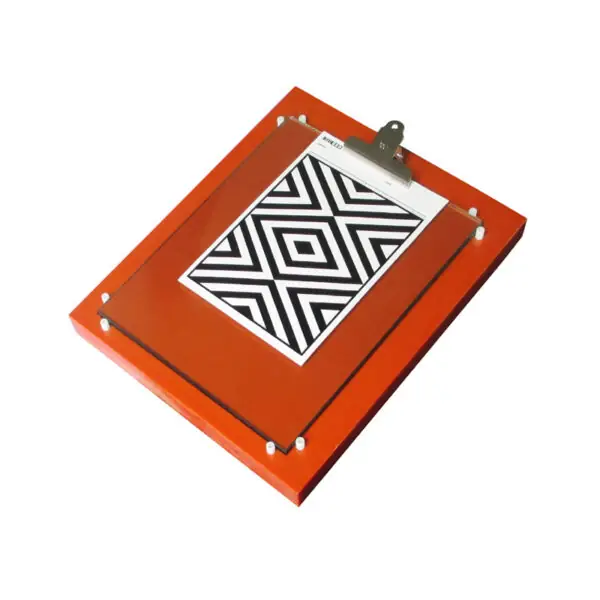
The factory hums. Coatings peel, batches fail, and managers shrug at variability as if it were weather. I’ve seen reports where a single human-applied sample made a product pass on Monday and fail by Wednesday. That inconsistency is the problem: uncontrolled application and measurement hide defects until they become disasters. I started substituting guesswork with instruments years ago, and the change was obvious once we used an automatic film applicator to remove the largest source of error — the hand. The technology doesn’t promise miracles; it removes the avoidable chaos that ruins repeatability.
Where traditional alternatives break down
Manual spreaders, improvised rods, and ad-hoc drying racks all share the same flaw: they demand perfect human conditions that never exist. Thickness varies. Edge beads form. Ambient conditions creep into the result. A single bad sample delays product release, triggers needless rework, and shifts blame rather than fixing the process. Traditional methods are cheap until you count the downtime, scrap, and lost customer trust. Those are not abstract costs; they are line items that compound fast.
Evidence, standards, and why instruments matter
I trust measurable standards. ASTM D823 — the practice for producing films of uniform thickness by wire-wound rod — is cited across coatings literature and used by labs worldwide to ensure comparability. When labs follow that protocol with controlled equipment, variability drops. That’s not rhetoric; it’s standardization. For practical use in testing labs and R&D centers, a reliable film applicator machine translates those standards into repeatable outcomes. My teams matched ASTM-compliant procedures to instrument settings and saw coefficient-of-variation numbers halve within weeks.
Technical edge: what instruments control that alternatives can’t
Precision in gap, speed, and substrate support. Timed passes instead of guesses. Programmable sequences that eliminate operator memory. Environmental enclosures that stop humidity from skewing cure. These are concrete controls, not marketing terms. With measured control, you can isolate variables: binder, solvent, pigment loading, drying profile. That lets you solve root causes instead of chasing symptoms. Modern instruments log parameters. The log is evidence when a customer questions a batch. Evidence settles disputes; folklore doesn’t.
Common pitfalls when adopting instruments
Buying a machine doesn’t end problems. Wrong fixtures, dirty blades, and poor maintenance reintroduce variability. Calibration matters. Set a reference substrate and verify thickness regularly. Don’t assume one setting suits all coatings; revalidate whenever chemistry changes. Ignore operator training and you’ll waste the tool’s precision. Finally, treat consumables as part of the procedure: worn applicators and contaminated solvents ruin repeatability faster than any mechanical failure.
Evaluating alternatives: when to replace, when to augment
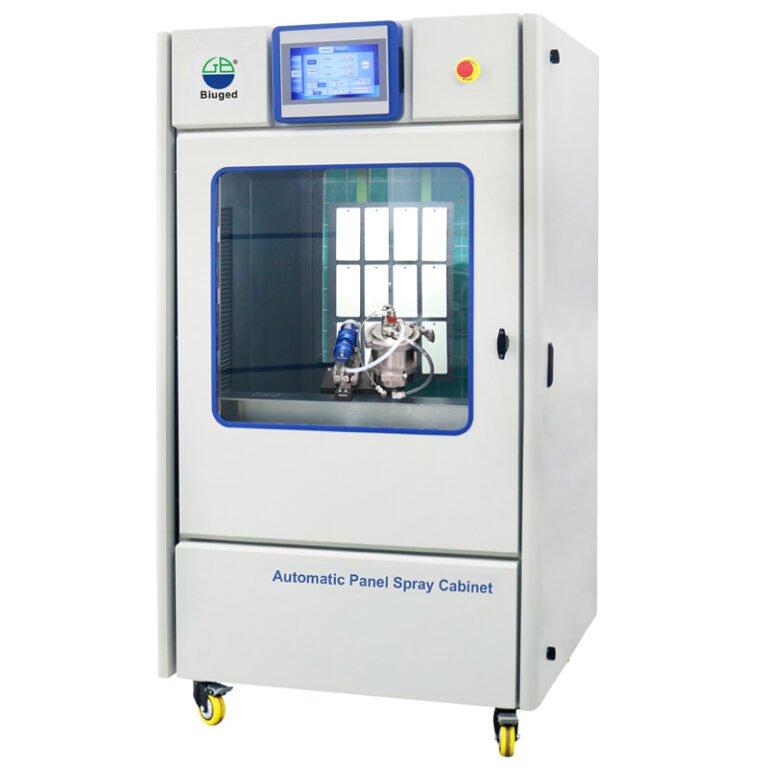
Keep manual methods for quick, non-critical checks. Replace them when results impact release decisions or when variability exceeds your product tolerances. Augment existing setups with modular instruments if budget is a constraint: a controlled applicator for thickness, a climate chamber for curing, and traceable calibration standards. The right mix reduces surprises and pins responsibility to process, not people.
The conclusion the line demands
We measure to stop excuses. When a test can be repeated, troubles are solvable; when it can’t, every failure becomes a mystery. Precision instruments remove the fog and reveal actionable differences. That clarity is what sustains production and reputation, and quietly, precisely, BIUGED supplies the tools that turn guesswork into data-driven certainty.