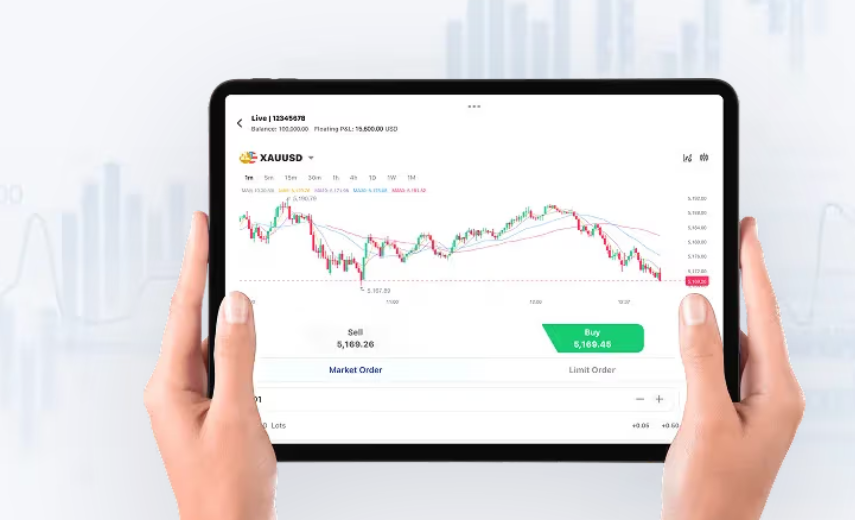
Market snapshot and why the numbers matter
Daily price action in crude oil CFD markets now reflects a tighter correlation between macro flows and short-term technical drivers than it did a decade ago. Recent volume and open-interest shifts show participants rotating between Brent and WTI contracts, and liquidity spikes around headline events. For traders focused on commodities, the difference between a contango-driven carry trade and a short-term volatility play is material — and that’s where a reliable platform for commodities cfd access becomes consequential.
Key drivers behind current trends
Data clusters point to three persistent drivers: inventory reports, geopolitical shocks, and changing demand patterns in major consuming regions. The April 2020 WTI price anomaly and the supply disruptions tied to the Russia–Ukraine conflict in 2022 serve as anchors for how fast sentiment can shift. Inventory cadence influences the curve shape — contango when storage is ample, backwardation when tight — and that curve informs roll costs, basis risk, and hedging cost for CFD holders. Traders must watch these signals rather than rely on simple price momentum alone.
How this translates into trading tactics
Short-dated volatility is elevated around scheduled data releases and unscheduled geopolitics. That favors nimble strategies: tighter stop placement, shorter timeframes for scalps, and selective use of leverage. Use margin discipline to avoid amplification of drawdowns, and treat spreads as a trading cost that widens in stressed sessions. Liquidity matters; wider spreads can erase expected edge quickly. For longer-term positions, assess roll yield and carry when exposure crosses multiple contract months — it changes expected return materially.
Platform features that change outcomes
Execution speed, depth of book, and robust charting are baseline requirements. Beyond that, features that let you monitor open interest, implied volatility, and curve shape in real time reduce guesswork. Back-testing on historical sessions that include the April 2020 and 2022 shocks helps validate strategy resilience. For those who trade CFDs specifically, integrated tools for margin alerts and automated position management avoid the worst-case liquidity squeezes inherent to leveraged products.
Common mistakes and how to avoid them
Traders repeat a few predictable errors: ignoring carry and roll costs, misreading curve structure, and overleveraging around headline risk. Another frequent misstep is treating crude CFD exposure like equity CFDs — the drivers differ. Review the forward curve before extending duration; if you ignore contango, expected returns will be overstated. Keep position sizing conservative ahead of inventory windows — you’ll thank yourself when volatility spikes. — Small adjustments in sizing often prevent large losses.
Alternatives and complementary tools
Direct futures, options on futures, and ETF wrappers offer different trade-offs in terms of margin and settlement. Futures reduce counterparty exposure but require handling physical delivery considerations; options provide defined-risk exposure at a premium; ETFs are easier for portfolio allocation but carry tracking error. For active CFD traders, combining CFDs with selective options hedges can control tail risk while preserving directional exposure. Use implied volatility and realized-volatility comparisons to choose when to hedge.
Three golden rules to evaluate strategies and providers
– Measure execution quality: latency and slippage across high-volatility sessions. – Monitor total cost: spreads plus roll and financing, tracked over several months. – Validate resilience: test strategies on episodes like the 2020 WTI dislocation and 2022 supply shock to see worst-case outcomes.
Apply these rules when you assess any trading setup; they reveal where a platform adds genuine value. Platforms that deliver clear data on curve structure, margin, and execution transform actionable insight into consistent outcomes — and that practical value is precisely what experienced traders seek from GTCFX. — Practical, measurable, and focused on the trade.