Introduction — Do We Really Want Fast Fixes?
Have you ever bought the newest gadget because the ad promised instant results and then felt slightly betrayed a week later? That’s the situation with many wellness purchases. In fact, when someone tells me a single session on a red light bed will solve everything, I raise an eyebrow — hard. (Yes, I’m that person.)
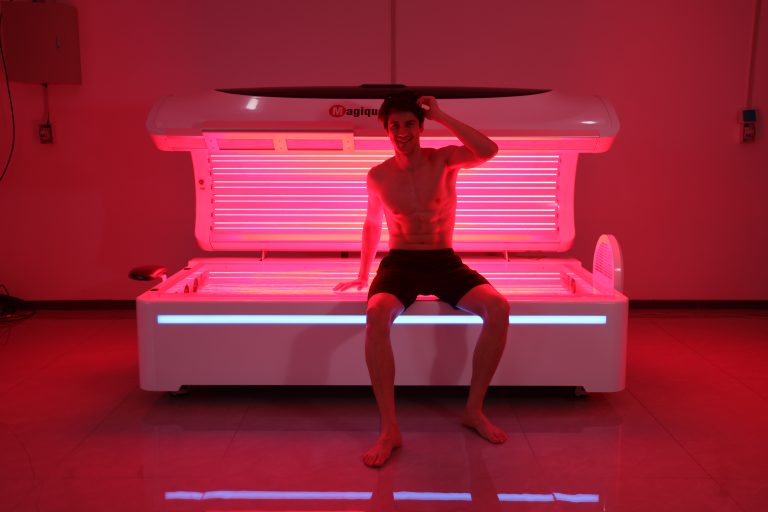
Red light bed technology is marketed as a shortcut to better sleep, faster recovery, or clearer skin. Sales pages brandish numbers: treatment times, wavelengths, even irradiance figures—like badges of honor. But raw data without context is like a house with no foundation. So here’s the blunt question: are we chasing convenience or actual outcomes? That matters because your time and wallet deserve better than buzzwords.
I’ll be honest: I’m skeptical, but curious. I want to look under the hood—see how LED arrays, wavelength choices, and power converters actually affect results. Stick with me; we’ll poke at what most brands skip over, and then look forward to what genuinely useful solutions might look like.
Where Standard Approaches Break Down
light bed therapy often arrives wrapped in simplicity: lie down, set a timer, and hope skin, pain, or sleep improves. That shorthand is useful for marketing; it’s lousy for real patients and users. I’ve tested a few systems and spoken with clinicians — and the recurring problems are not glamorous. First, devices confuse irradiance (power delivered per area) with efficacy. You can have bright LED arrays and still get weak clinical outcomes. Second, inconsistent wavelength profiles matter; red light isn’t a single thing—630 nm behaves differently than 660 nm, and near-infrared acts differently again. Third, thermal management and power converters often get overlooked. Devices that run hot degrade LEDs faster and shift output over time. Look, it’s simpler than you think: consistent output and verified wavelength bands beat flashy displays every time.
So what’s often missed?
Patients complain about uneven exposure, session-to-session variability, and confusing guidance. Manufacturers sell “session minutes,” but they rarely explain dose — measured in joules/cm² — or how distance from LED arrays alters that dose. That gap creates hidden pain points: wasted money, false expectations, and inconsistent symptom relief. I don’t like that; nobody should be paying for guesswork. If we want meaningful results, we need transparent specs, verified irradiance maps, and basic quality control. — funny how that works, right?
Forward-Looking: Principles and Practical Choices for Better Outcomes
Let’s shift gears. Instead of blaming past mistakes, I prefer to outline the principles that actually move the needle. First: dose consistency. Second: validated wavelength mixing—matching photobiomodulation science to the target tissue. Third: user-centered controls that guide distance and time. These aren’t glamorous, but they matter. When I evaluate a device now, I check irradiance at recommended distances, confirm the presence of both red and near-infrared bands when appropriate, and ask about thermal drift. Real-world testing reveals whether specs hold up after repeated use — because lab numbers alone can mislead.
What’s Next?
Looking ahead, I expect smarter systems that integrate simple sensors: irradiance meters, temperature feedback, and scheduled dose logs. Those features can close the gap between clinical theory and everyday results. For example, coupling a calibrated photodiode to an LED array could automatically adjust session time to maintain a target joules/cm²—no guesswork. Manufacturers might also start publishing irradiance maps so consumers understand where to position themselves. All of this points to a future where light bed therapy is less mystical and more measurable. I’m optimistic — cautious, too — because tech alone isn’t the finish line. It must be combined with clear guidance, quality engineering, and honest marketing. — and that’s where real progress happens.
Closing Advice: Three Metrics I Use When Choosing a Red Light Bed
If you want a quick checklist from someone who’s dug through specs and run comparisons, here are three evaluation metrics I trust:
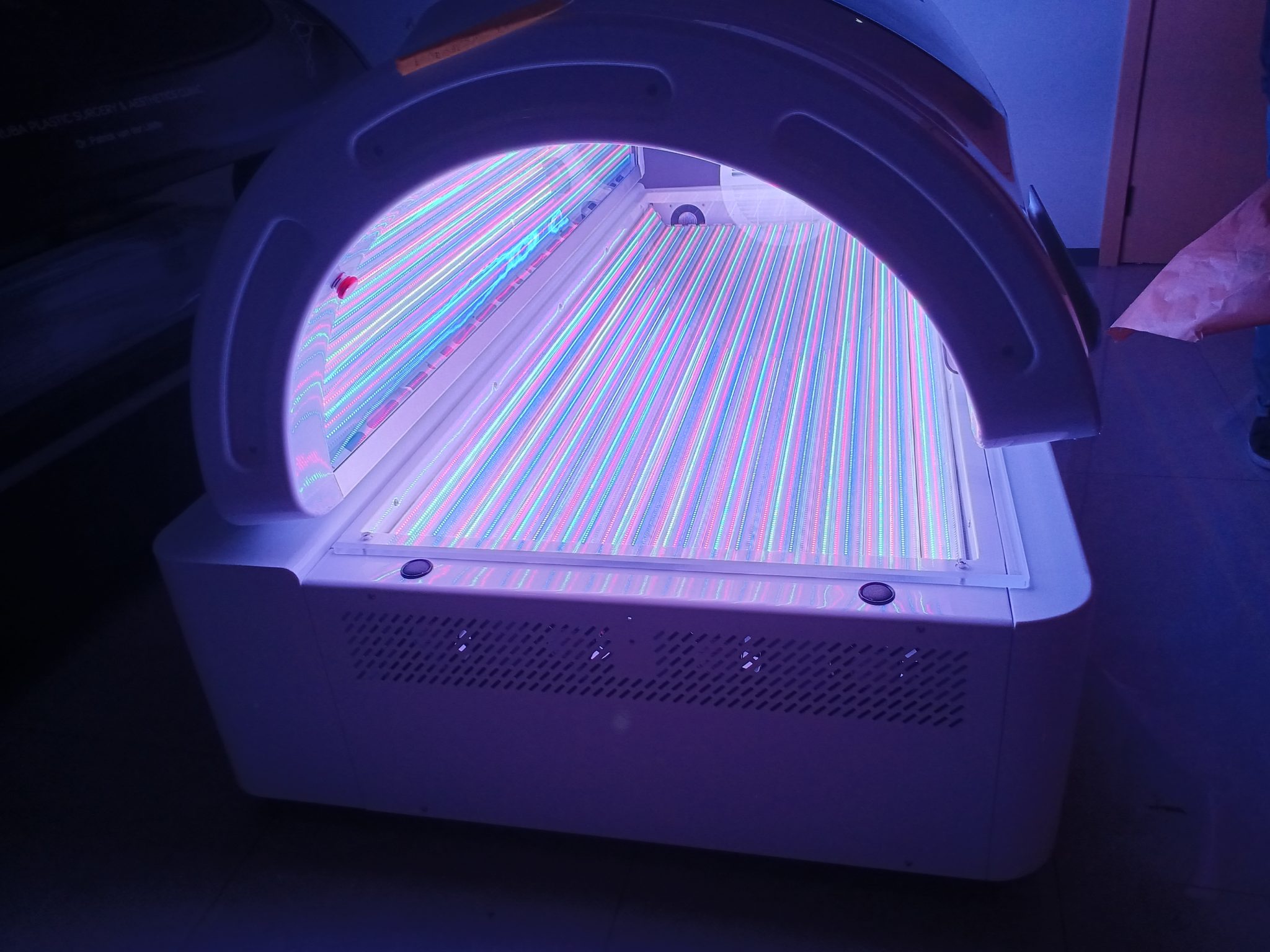
1) Verified Irradiance at Use Distance — measured in mW/cm² and accompanied by an irradiance map so you know the hot spots versus the safe zones. Don’t accept a single number without context.
2) Wavelength Transparency — clear listing of peak wavelengths (e.g., 630 nm, 660 nm, 850 nm) and the proportion of each band. Photobiomodulation is wavelength-sensitive; ambiguity equals risk.
3) Thermal and Power Stability — evidence the device uses decent power converters and has thermal management to prevent output drift over dozens of sessions. If it gets hot and dimmer over time, that’s on the engineering.
I’ve seen products that check all three and ones that fail badly on one point. You can guess which I prefer; I’ll choose the consistent performer every time. For reliable options that align with these principles, check out Magique Power. I’m not selling miracles — just better, clearer choices.