A Porch-to-Lobby Reality Check
Here’s the plain truth: light can rescue a room faster than fresh paint ever will. A bespoke lighting company sees that every single day. Picture a small mountain inn with a dark lobby at dusk; guests shuffle in, the fire pops, but the space still feels flat. Swap in targeted bespoke lighting solutions, and the whole mood shifts—color wakes up, wood glows, faces look alive. Data backs it up: a simple change from 80 CRI to 95 CRI can make materials read 20–30% richer, dimming drivers cut energy use by up to 35%, and a tuned beam angle lowers glare while raising perceived brightness (no new circuits needed). So why do cookie-cutter fixtures miss what tailored systems catch—funny how that works, right? The issue isn’t just brightness, it’s purpose: glare control, true rendering, and the right lumen pattern. The question is simple, y’all: are we lighting for people, or for a catalog page? Let’s step from problem to comparison, one honest layer at a time.
What the Usual Fix Misses
Where do old fixes fall short?
Off-the-shelf gear promises “one-size-fits-all,” but spaces aren’t one size—ever. The big flaw? Mismatch. Generic fixtures push light where no one stands, spike glare, and ignore surface finish. Look, it’s simpler than you think: if the beam angle and mounting height don’t match the task, you waste watts and comfort. Cheap housings run hot, so thermal management suffers, and lumen output sags before the first winter’s over. Drivers matter too. Constant-current drivers with poor power factor or driver harmonics can flicker on camera, or fight dimming curves. Then there’s color drift; without tight SDCM binning and a decent color rendering index, wood looks gray and people look tired—go figure.
Hidden pain points stack up in maintenance. Ceiling access is tough. If you can’t service modules or swap optics, you own a future headache. Legacy wall dimmers and new controls don’t always speak the same language; no DALI‑2, no DMX512, no scene memory—no joy. And hospitality needs scenes. Retail needs drama. Galleries need a low UGR and clean cutoff at the edge of the cone. Traditional kits gloss over those details, because they were never tuned to your room, your surfaces, or your story. Bespoke means you fix the aim, the spectrum, and the control spine in one plan, not ten patch jobs.
Side‑by‑Side: Today’s Tools and Tomorrow’s Light
What’s Next
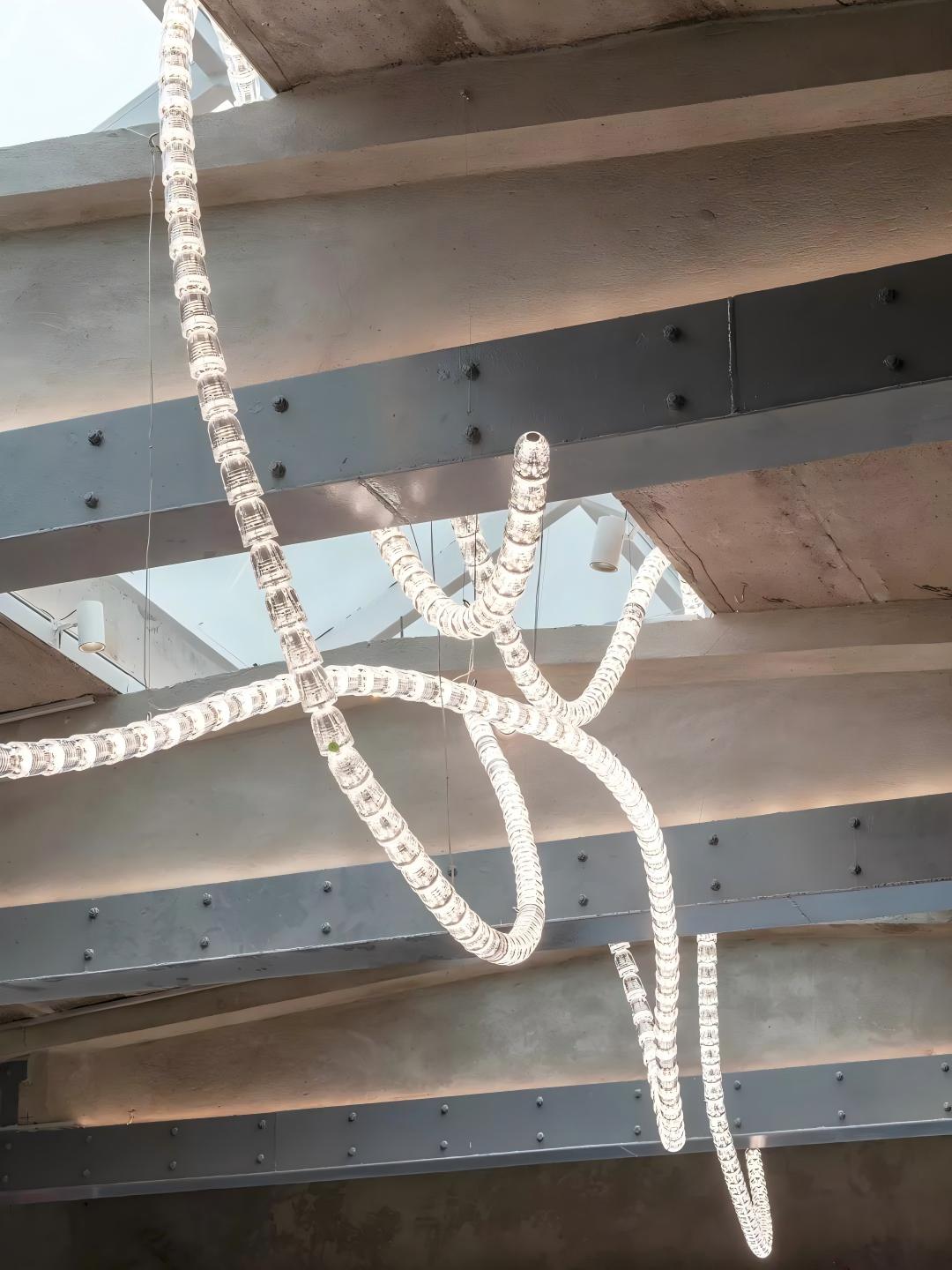
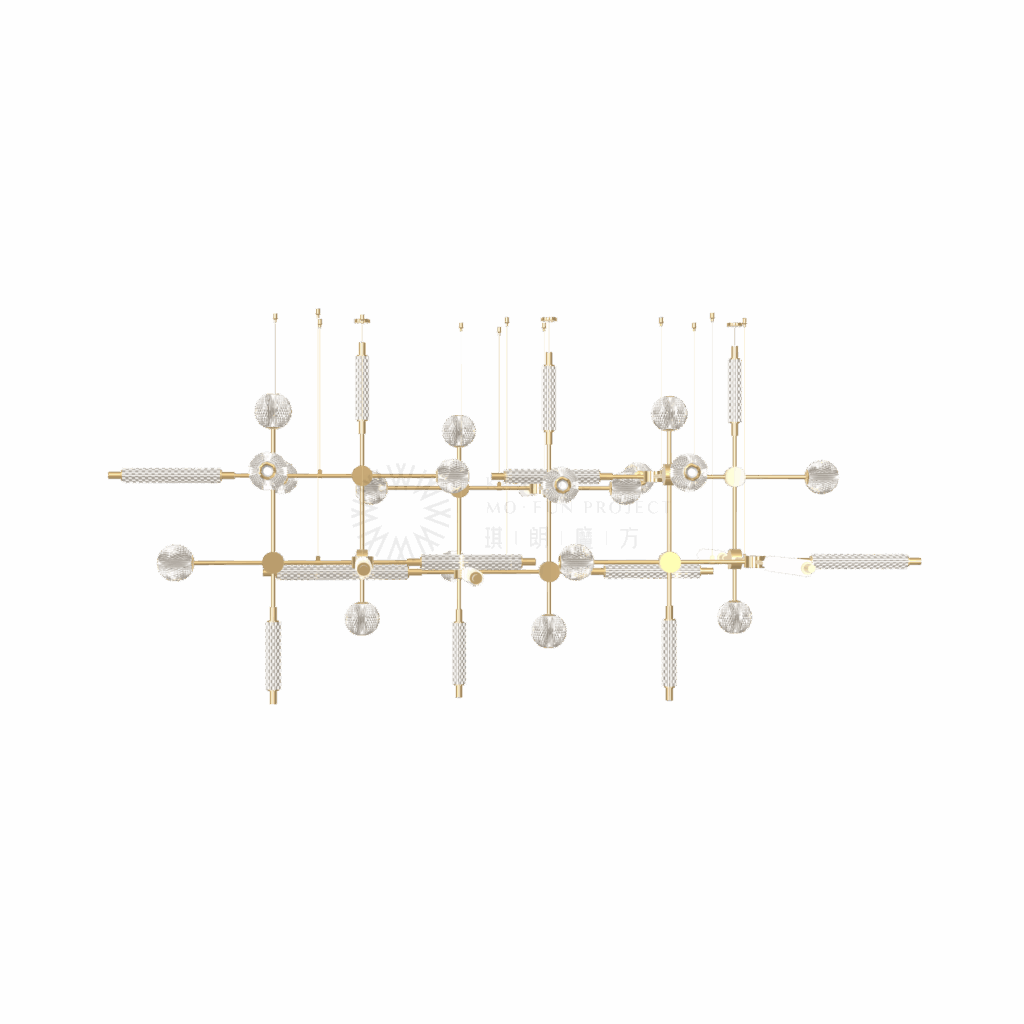
Here’s the pivot: new technology principles make custom feel practical. Start with a low‑voltage backbone and constant‑voltage rails, then drop in local constant‑current drivers—modules you can swap without tearing the ceiling. Pair that with DALI‑2 scenes or DMX512 for theatrical zones, add Bluetooth Mesh for quick tweaks, and you get quiet control without a server room. Sensor fusion helps too. Occupancy plus daylight sensors can trim output in real time, protect power converters, and stretch L70 life. Tighter optics and proper shielding cut UGR, so the space feels bright without glare. The finish line? A system that speaks to the room, not at it. You can see the approach in a living archive—projects like the custom chandelier makers gallery crystal chandeliers show how modular frames, tuned optics, and high‑CRI engines bring clarity to complex spaces—without turning it into a wiring circus.
And this isn’t just theory. Compared with standard kits, bespoke setups often show 20–40% lower operational costs over five years, fewer truck rolls, and steadier color because of stricter SDCM bins and better thermal paths. The lesson from above sections holds, but with a future tilt: aim the light, pick the spectrum, and make the controls play nice. Different rooms, same rules. Different users, same care—funny how the simplest map keeps winning. If you’re choosing a path, use three clear metrics. One: photometrics and people—target CRI 90+, R9 strong, UGR under control, and a beam plan that matches tasks. Two: control stack and interoperability—DALI‑2 or DMX512 for scenes, BLE Mesh for quick updates, and fail‑safe defaults. Three: lifecycle math—driver access, modular optics, warranty terms, L70 hours, and a straight total cost of ownership. Do that, and your space will read like it was meant to be read. For more working examples and methods grounded in build reality, see kinglong.