Introduction: The Moment You Notice the Drift
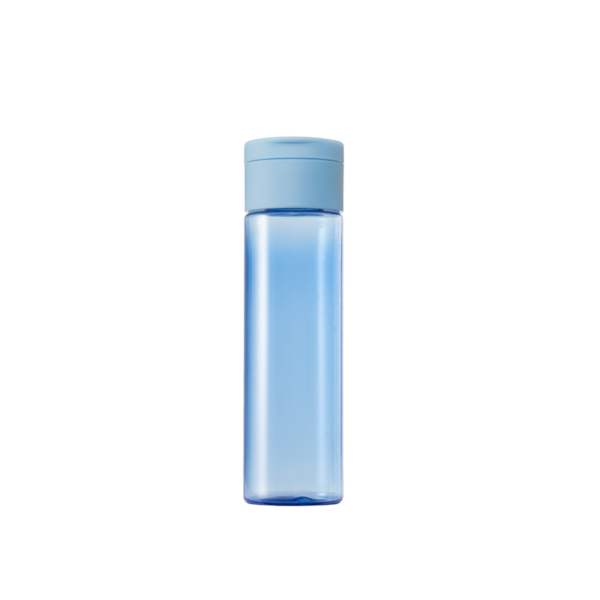
Small leaks become big losses. Your line runs a standard lotion, and the pet pump bottle looks fine on the shelf. But by week two, returns tick up, and line downtime creeps in after every changeover—quiet, but costly. In one audit we saw, 18% of service claims tied back to inconsistent output rate and sticky actuators. Another sample showed a 0.7 ml swing per stroke at low torque. That is not a rounding error; it is a margin leak. So, when should you change course and rethink who makes and supplies your pumps (and why now)?
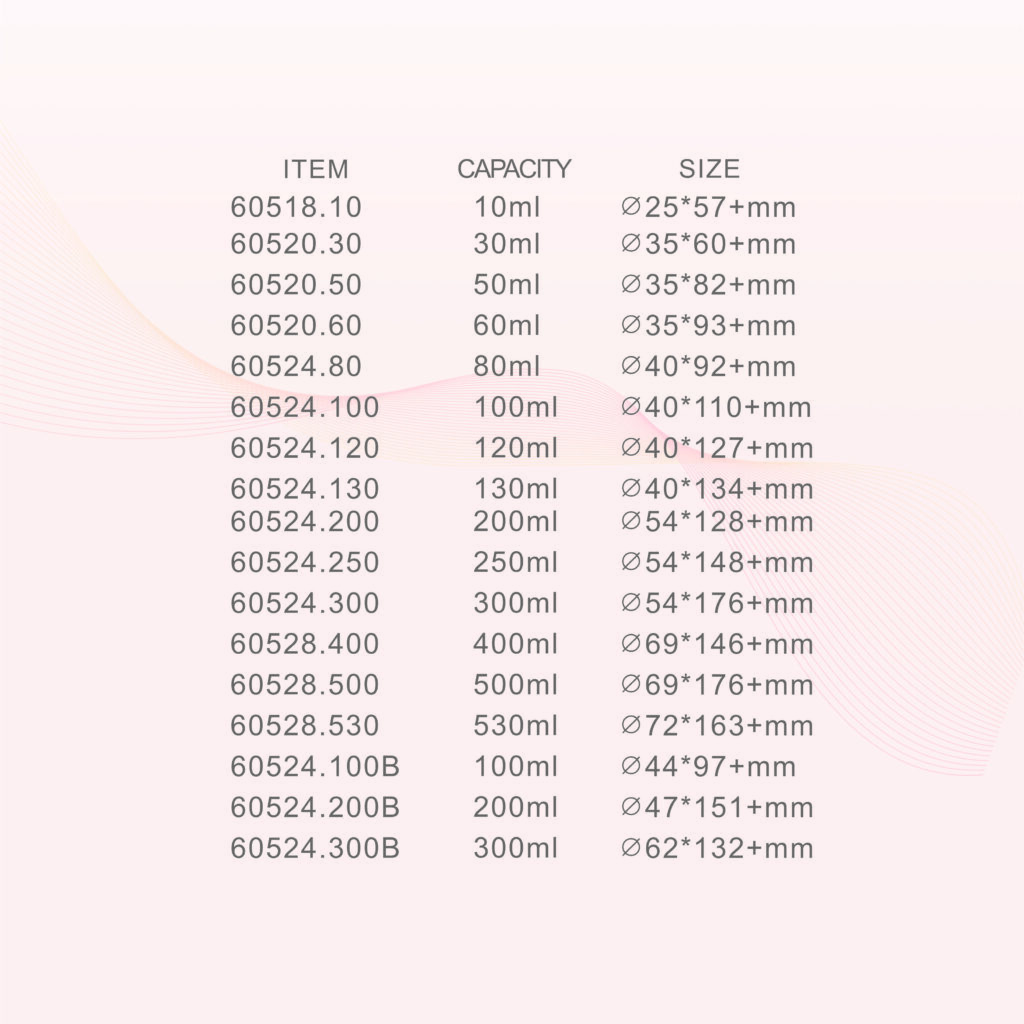
Picture a picker packing orders at 7:00 a.m., rerouting a batch because closures do not match the thread finish. A simple miss, yes. Yet the cycle repeats, week after week, because upstream specs and downstream needs never meet. You feel it in complaints. You see it in scrap. You pay for it in freight. The question is not only about price or color. It is about fit, dosage accuracy, and viscosity across seasons. And it is about who stands behind the promise with real batch traceability—funny how that works, right? Let us map the decision points and set a clean path forward.
Hidden Pain Points the Spec Sheet Does Not Show
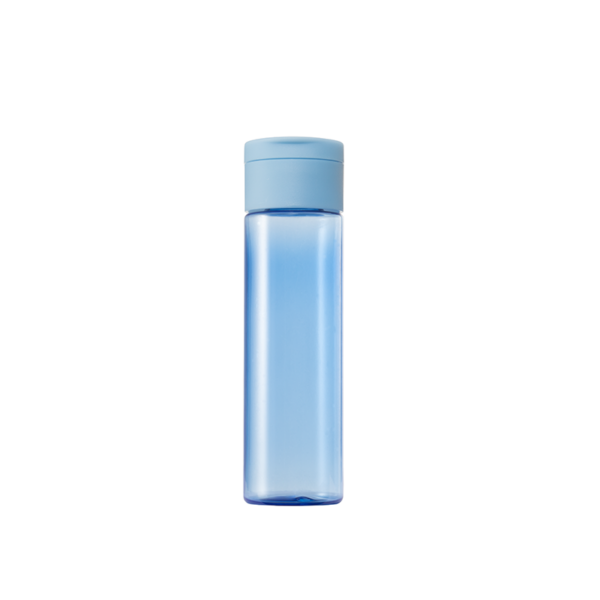
Look, it’s simpler than you think. The bottleneck often starts before your line does. A true pet pump bottle supplier should prevent problems you cannot see, not only ship parts you can count. Traditional sourcing leans on generic drawings, thin QA, and late-stage fit checks. That model hides risks: spring fatigue after thermal cycling, dip tube mismatch with higher-viscosity fills, and thread finish tolerances that drift between molds. When PET and closure geometry fight, you get micro-leaks and torque spikes. That means returns, rework, and unhappy reviews. A spec sheet may list output rate, but does it prove repeatability across 1,000 cycles and three viscosities? Does it show compatibility testing with your surfactants and perfumes?
The deeper layer is process control. If polyethylene terephthalate (PET) preforms and pump components do not share the same gauge plan, you get noise. If the supplier lacks ISO 9001 discipline, you lose consistency in actuator feel and shot size. If they skip PCR content trials, your sustainability story stalls when color shift appears. And if traceability is weak, root cause takes weeks, not hours. These are not edge cases; they are daily costs. The fix is a supplier who aligns molding, assembly, and QC with your actual fill and line speed, not a guess.
Forward-Looking Choices: From Better Parts to Better Principles
What’s Next
Let us switch lenses to the near future—your next season and the one after. The fastest wins come when your partner acts like an extension of your lab. A capable pet pump bottle factory will bring case data: pilot runs at varied torque, cycle tests under heat and cold, and closures tuned for your thread finish. One brand we saw cut returns by half after aligning output rate and dip tube length to a thicker winter blend. Not by buying pricier parts, but by matching pump geometry to viscosity and fill head. Small change. Big shift.
Compare two paths. Path A: You buy pumps by unit cost and hope the closure fits. Path B: You co-design the actuator, spring, and seal profile using short digital trials—DOE runs, quick molds, and simple go/no-go gauges. Path B costs a bit more in week one, yet pays back in stable torque windows, fewer micro-leaks, and smoother changeovers. The lesson is clear: new principles win. Tight tolerance bands. Real batch traceability. Early compatibility testing with your fragrances and oils. And a feedback loop that flags drift before your customers do (yes, that is the dream—and it is doable).
Before we close, a short checklist you can use tomorrow:- Evaluation metric 1: Output repeatability across 500–1,000 cycles at three viscosities (report by actuator and spring lot).- Evaluation metric 2: Closure and thread finish fit window, including torque map and leak test at temperature swings.- Evaluation metric 3: Traceability depth from resin to assembled pump, with CAPA speed under 72 hours.
Sum it up: when your complaints rise, when torque spreads widen, when fill changes break rhythm, that is the time to recalibrate. Choose partners who measure what matters and share the data. Your team will feel the difference on day one, and your customers will, too. NAVI Packaging