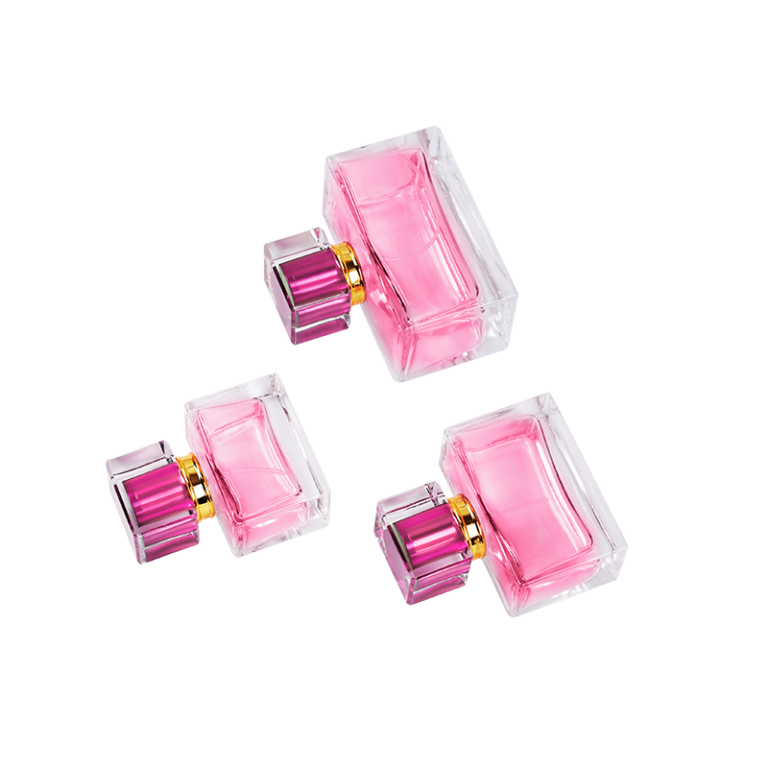
A Hands-On Start: Where Good Bottles Go Bad
I’ve seen it play out on a warehouse floor: a glossy flacon passes the line, looks perfect, then chips in a drop test and leaks on the truck. On the next line, china perfume bottle manufacturers are pushing out glossy glass by the minute. The numbers look solid—reject rates under 2%, delivery windows tight—but return claims still climb after launch. Why do prime batches end up with scuffed shoulders, misty coatings, or sprayers that twist loose? (And why does it always happen right before a promo?) You feel it in your gut because your team stays late fixing it.
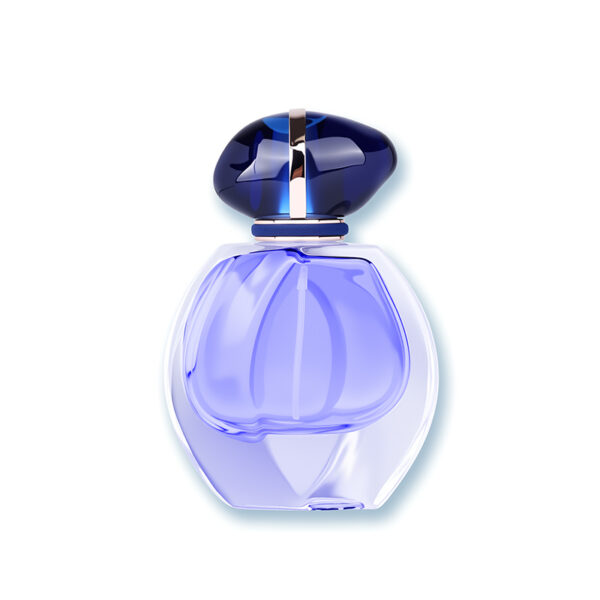
Here’s the rub the spreadsheets don’t show. Small gaps in the fit, tiny stress points from cooling, and loose control over coating cure times compound over distance. A fine scent turns into a wet box. The shelf glamour hides weak spots. That’s the everyday, blue-collar truth—funny how that works, right? So, what’s really breaking, and how do you stop it before the first pallet ships? Let’s peel back the process and see where the cracks start, then trace how to salt-proof the supply so the finish stays clean and the cap stays tight. On we go.
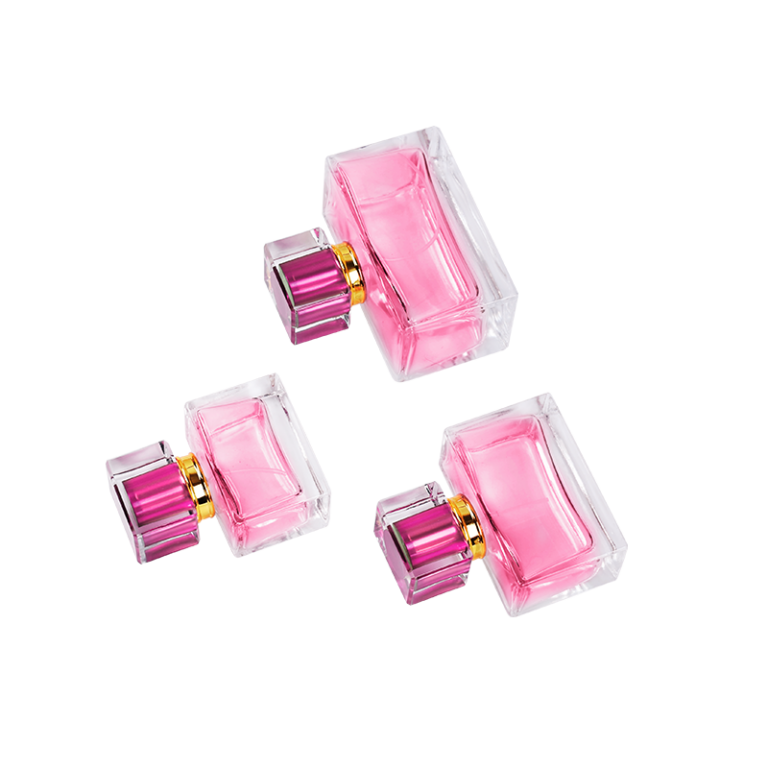
Under the Hood: The Real Frictions With a Supplier
When you scan quotes from a perfume bottles supplier, you expect the bottle, cap, and pump to click. Often they don’t—because hidden tolerances stack up. Look, it’s simpler than you think. Glass from an IS machine can be in spec, yet the neck finish drifts by a hair. That tiny drift meets a crimp pump with a hard ferrule, and the seal gets stressed. After a week in transit, torque drops. Now you’ve got misting or seepage. Add a coating run with uneven UV curing, and adhesion fails where the shoulder is hottest off the annealing lehr. It looks like a transport issue, but it started at the mold cavity and the cure profile.
Where do the flaws hide?
They hide in the handoffs. Artwork shifts during spray lacquering because airflow isn’t balanced. A nice metallic cap uses thin-wall ABS that flexes, so the actuator binds under crimping. QC sampling catches shape, not function, so a batch passes without a seal test under thermal cycling. The classic fix? More foam and tape. That only masks root cause. You need joined-up specs and process data: neck flatness, pump crimp force windows, and coating temperature maps, matched to the ship lane. Without that, even good parts fight each other. And when they fight, you pay in claims and rework—every single time.
Forward-Looking: Smarter Glass, Better Seals, Fewer Headaches
Here’s where things shift from blame to build. New tech makes the weak links visible. Think inline vision scoring, where high-res cameras grade neck finish roundness in real time, then tweak gob weight on the fly. Pair that with servo-driven timing on the IS machine, and you cut ovality before it becomes a leak path. Coatings improve when IR sensors track temperature at the shoulder, and the UV lamp profile adapts so adhesion stays even. In short: fewer hot spots, steadier cure, cleaner edges— and yes, it matters. Even packing gets smarter: drop-test presets match your lane so the EVA insert and carton design aren’t guesswork.
What’s Next
We’re already seeing comparative wins with suppliers who publish batch traceability, from mold cavity to final crimp torque. Some empty perfume bottles manufacturers now run seal tests under thermal cycling as a release gate, not a nice-to-have. The result is fewer surprises after a hot warehouse weekend. Looking ahead, digital twins of the bottle-plus-pump will simulate tolerance stack-up before a mold is cut, and low-VOC coatings with tuned rheology will reduce orange peel without over-baking. The takeaway isn’t magic; it’s system fit. When glass geometry, pump mechanics, and coating cure live on one spec, the retail shelf smiles longer.
To wrap this into action, use three simple checks when you choose partners. One: demand data on neck finish flatness and ovality, not just average weight. Two: confirm crimp torque windows are validated with the exact pump and cap you’ll use, under heat and cold. Three: ask for coating adhesion maps across the bottle—shoulder, panel, base—plus a recent drop-test video with your pack-out. If a shop can’t show that, you’ll be back to tape and luck—no thanks. Steadier builds, fewer claims, better days. NAVI Packaging