Introduction: A Lab Moment That Changed My View
I once watched a postdoc scramble when a centrifuge door jammed mid-spin — she missed a deadline and we all felt the pinch. In many labs, biology lab equipment sits at the center of daily stress and small triumphs, and that tension is part of why I care so much about good gear. Recent surveys show that downtime and miscalibrated tools cost labs thousands of dollars and slow projects by weeks (yes, that happens more often than you’d think). So here’s my question to you: how do we pick tools that save time and reduce headaches without breaking the bank? Let’s dive in — I’ll share what I’ve learned, what I still worry about, and a few practical fixes to try next week.
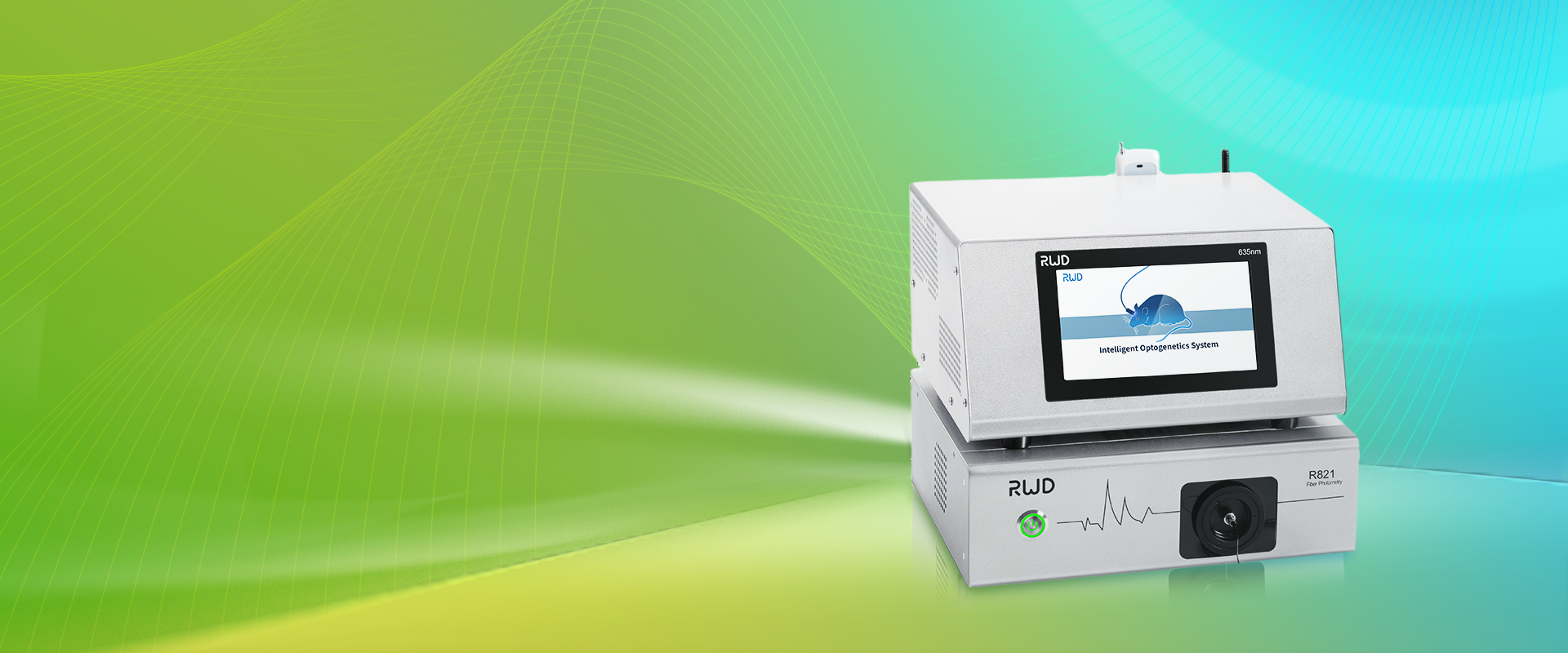
Deeper Layer: Hidden User Pain Points with life science analysis equipment
life science analysis equipment promises accuracy and speed, but I’ve found that the user experience often trips teams up. On paper, a spectrophotometer or PCR thermal cycler looks foolproof. In practice, training gaps, confusing menus, and poor service windows turn routine runs into half-days of troubleshooting. I’m not exaggerating — simple user-interface flaws can add hours to workflows. The real pain isn’t the instrument failing; it’s the friction around it: obscure error messages, fragile sample holders, and calibration steps that require a specialist. I call this the “last mile” of lab work — the tiny details that make or break a busy schedule.
Why does this keep happening?
The reasons are layered. Vendors often design for raw specs rather than real users. Maintenance cycles get deferred because labs are understaffed. And paperwork — oh, the paperwork — forces teams to choose speed over careful checks. Look, it’s simpler than you think to miss one small step that ruins an entire plate. Add in complex devices like microplate readers and liquid handling robots, and the chance for human error multiplies. From my experience, the best fixes focus on people and process, not just buying newer gear.
Forward-Looking Principles: How New Tech Can Solve Old Problems
I want to be optimistic here. New principles in instrument design promise to ease the pain I described above. First, modularity: devices that let you swap parts fast reduce downtime. Second, smarter interfaces: simple touch screens, clear icons, and guided workflows cut training time. Third, connectivity: when a centrifuge or biosafety cabinet talks to your lab management system, you get alerts before a run goes wrong. These ideas are not theoretical — they’re already in some products. I expect more labs will adopt these — funny how that works, right?
life science analysis equipment will keep evolving around these principles. For example, predictive maintenance uses basic sensor feeds to warn you about a failing motor in a centrifuge before it causes a stoppage. That saves time and protects samples. I like how this shifts the burden from firefighting to prevention. Still, it requires modest changes in lab habits and a willingness to trust digital alerts. We will need short training sprints and a few new checklists. — but the payoff is real.
What to watch for next
Here’s how I’d evaluate new systems in the coming months. First, test the user flow yourself; don’t rely only on specs. Next, ask about real-world support and spare part lead times. Finally, check whether the vendor provides simple integration with your lab software. These checks weed out shiny but unusable toys from genuinely helpful tools. I’ve seen teams buy top-tier instruments and then never use half their features — painful and unnecessary.
Closing: Three Practical Metrics to Choose Better Equipment
I’ll leave you with three metrics I use when advising labs. They’re simple, actionable, and they saved my team countless hours.
1) Mean Time to Repair (MTTR): How long until you can run samples again after a failure? Short MTTR beats impressive specs every time.
2) User Onboarding Time: How long before a new user can run a basic protocol without help? Aim for under a day for critical instruments.
3) Integration Readiness: Can the device export logs, alerts, and results into your LIMS or ELN? If not, factor in the cost of manual work.
I’ll be frank: equipment choices are part science, part people work. I prefer tools that make daily life easier — not just ones that look great on paper. When we pick with those metrics in mind, our experiments run smoother and our teams breathe easier. If you want practical gear that respects real workflows, check out what BPLabLine offers — I’ve learned to favor solutions that match labs’ day-to-day needs, not just their wish lists.