Introduction
I once watched a late-night crew swap out tools at an oil rig because one technician worried about a tiny spark. The next day, they ordered a non sparking hammer and thought the problem was solved — but the data tells a messier story. Studies show tool-related ignition still leads to a surprising portion of workplace incidents, even where non-sparking tools are used (around 10–15% in some small industry surveys). So what goes wrong between buying the right tool and actually staying safe on the job?
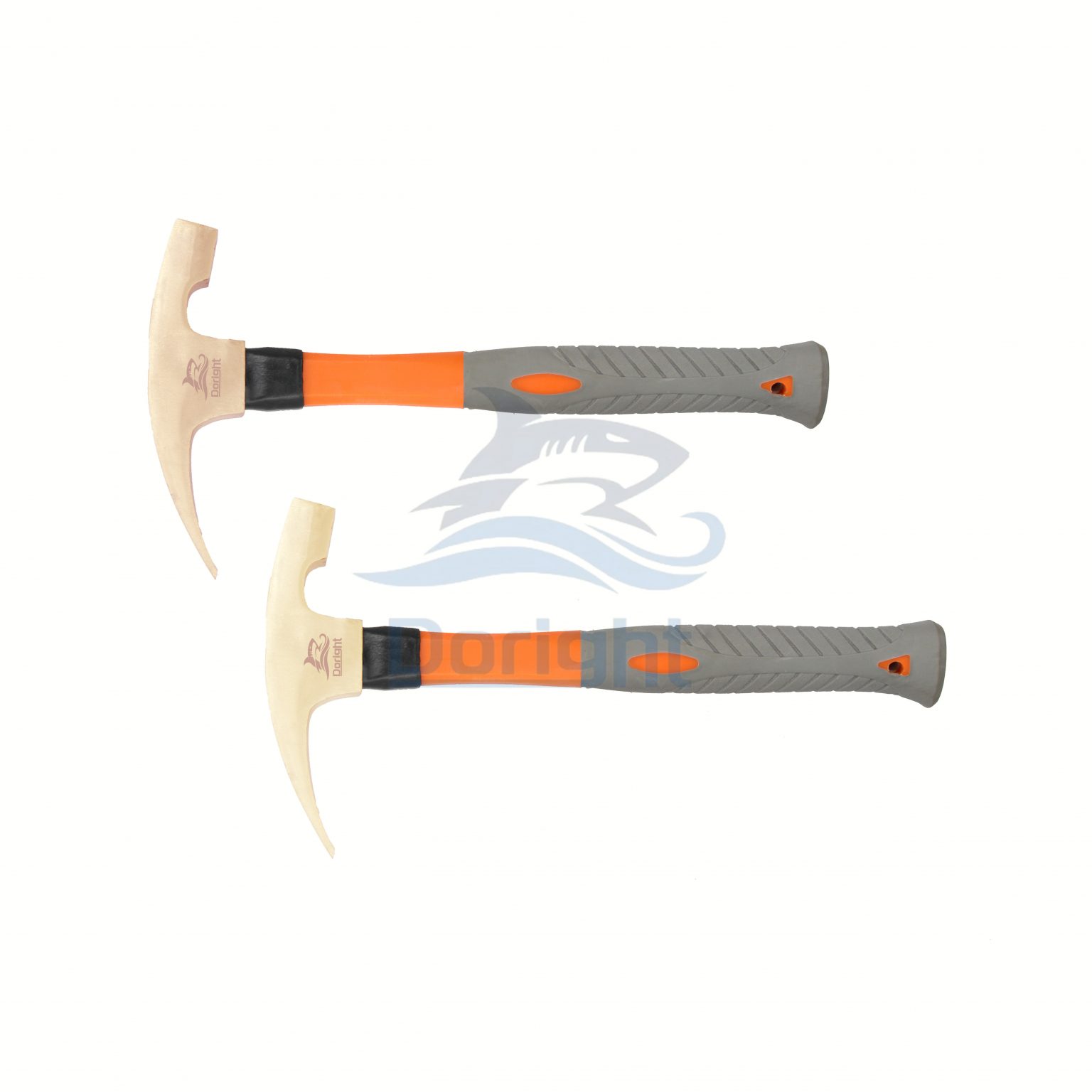
I’ve seen this play out on job sites and in small shops: good intentions, patchwork policies, and tools that meet one spec but fail in the field. That gap — between specification and daily use — is where hidden risks hide. I want to walk you through those layers, point out what I’ve learned, and help you choose smarter. Next, let’s dig into why standard fixes often miss the mark and what users quietly put up with every day.
Why Traditional Fixes Fall Short (or What Users Secretly Endure)
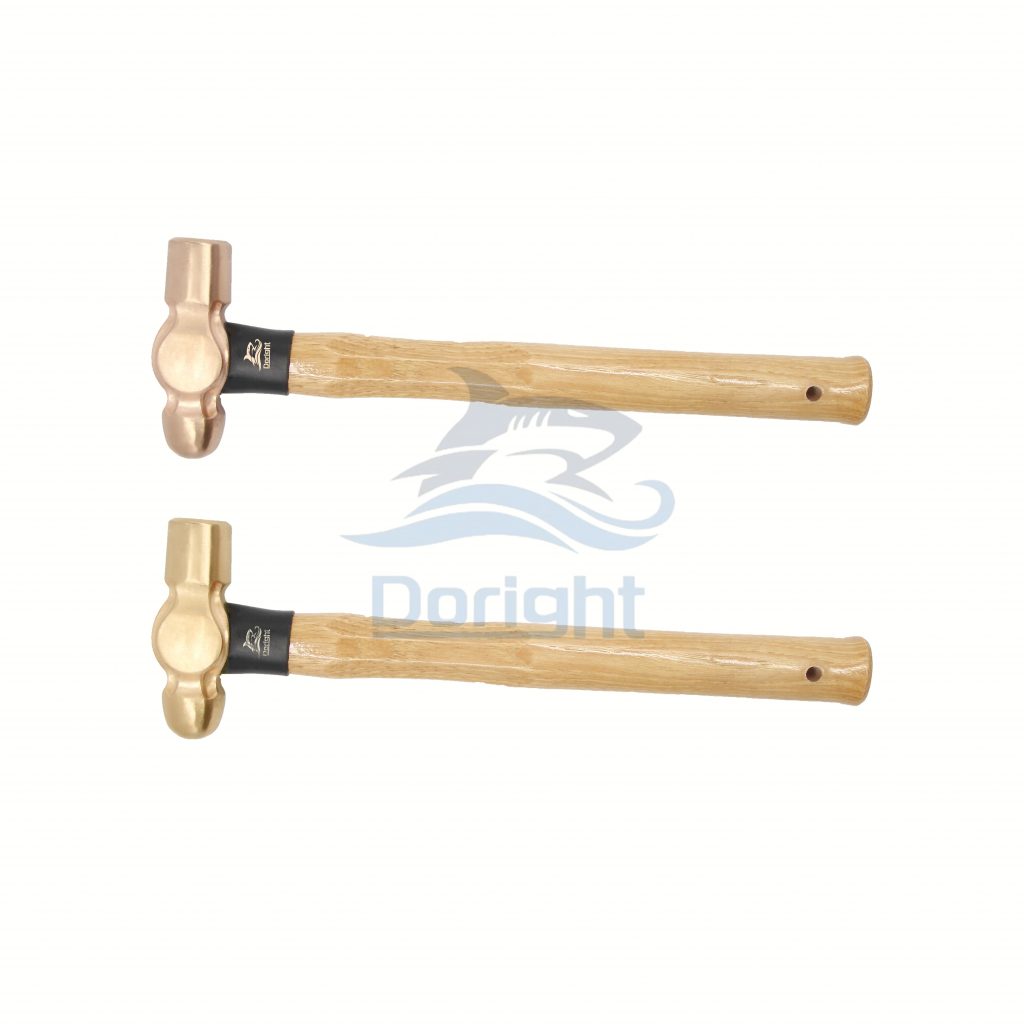
When teams reach for copper non-sparking hammers, they usually expect instant safety. I get it — copper-bronze alloys reduce spark risk, and that’s a big deal. But the deeper problem is that many safety plans treat the hammer as a checkbox: buy the tool, tick the list, move on. In practice, alloy composition and spark testing aren’t the whole story. Factors like impact energy, corrosion resistance, and fit-for-task matters more than most procurement sheets admit.
What’s the common blind spot?
Look, it’s simpler than you think: a tool that’s right on paper can be wrong for a task. A copper hammer might be softer and reduce sparks, but it can also deform faster under repeated high-impact use. That leads to reshaping or field repairs — both of which can reintroduce dangerous edges or stray particles. Add to that inconsistent maintenance routines and mixed-tool fleets where non-sparking hammers sit next to hardened steel hammers, and you’ve got a recipe for trouble. I’ve inspected lockers where a non-sparking hammer had been used to pry — and that’s when the safety margin evaporates — funny how that works, right?
Looking Ahead: Principles and Practical Metrics for Better Tool Decisions
We can do better by focusing on new-technology principles and practical checks. For me, the first step is to treat the tool as part of a system: ergonomics, task match, maintenance, and environment must all align. New alloy treatments and custom tempering aim to balance impact energy with surface resilience. Meanwhile, clearer protocols for spark testing and ATEX-type zone thinking help, but they must be tied to daily work patterns. When I coach teams, I push them to run short, real-condition trials instead of relying on spec sheets alone.
What’s next for teams choosing tools?
Here are three simple metrics I use to evaluate options and recommend to folks on-site: 1) Measured impact retention — does the hammer keep shape after repeated strikes? 2) Spark/no-spark verification under actual task conditions (not just lab tests). 3) Lifecycle cost including maintenance and replacement frequency. Use these to compare tools side-by-side. Test them on the task, not just on paper. And check this — the right non-sparking hammer for your crew might look different from the one your supplier recommended.
To wrap up: choosing the right non-sparking solution means thinking beyond material labels. Measure real-world performance, match tools to tasks, and plan maintenance. I’ve seen those steps prevent near-misses and save money over time. If you’re evaluating gear, start with those three checks and get your team involved — they’ll spot issues procurement won’t. For trusted supplies and options I’ve used in field trials, check Doright.