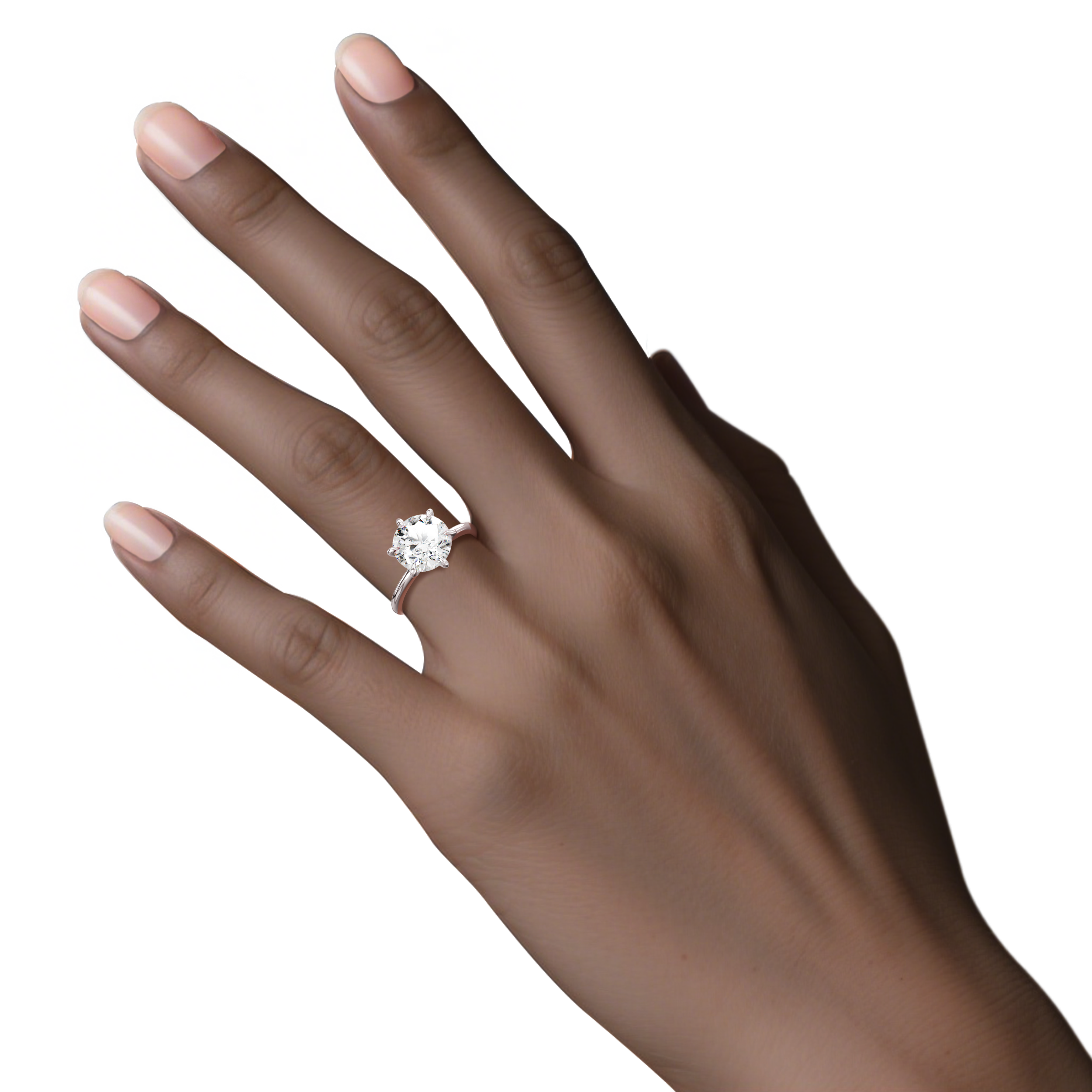
Introduction: A Clear View of Sparkle, Cost, and Meaning
Define the frame first: a ring is more than a promise; it is a system of light and metal at play. Many couples today look to lab grown diamond engagement rings for that balance of beauty, ethics, and cost. You walk into a quiet studio, a tray appears, and your eye jumps to the brilliance of halo engagement rings—a bright circle that makes the center stone look larger than its weight. Data shows steady growth in lab-grown adoption each year, with shoppers comparing price-per-carat and light return like pros. But here’s the question: if the halo makes the center sing, what tradeoffs hide in the frame?

I’ll keep this simple and practical (with a pinch of wonder). In a halo, the geometry, the micro‑pavé, and the metal thickness all shape performance. Even the CVD reactor and HPHT press behind a lab-grown stone matter, because growth conditions touch clarity and fluorescence. Look, it’s simpler than you think. We will map the pain points first—then compare what’s next.
Hidden Friction in Halos: Where the Glow Can Get Cloudy
What goes wrong in a classic halo?
On the surface, a halo is easy: more stones, more shine. Yet small issues add up. Traditional halos use dense micro‑pavé and tall prongs. That can snag, twist, and dull the ring over time. Many halos crowd the girdle of the center diamond, pinching light paths and muting scintillation—funny how that works, right? If the pavilion angle is off by a hair, the halo can reflect darkness back at you. A loupe will show it. Your eye will feel it.
Then there’s maintenance. Tiny melee need secure seats. If the beads are too thin, they loosen with daily wear. If too heavy, they look clumpy. Some settings leak light because of shallow cutouts under the stones. Others collect lotion and dust (yep, life happens), which makes refraction suffer. Opacity in pricing is another snag. Two rings can look the same but differ in 4Cs grading, inclusion mapping, and polish symmetry. With halos, tolerances stack. Small deviations become big results.

What’s Next: Tech-Led Halos and Smarter Comparisons
Now, the better news. Modern studios use CAD/CAM to tune prong height and seat geometry, so melee align in a clean circle. Laser-drilled micro‑pavé seats reduce displacement, and under‑gallery windows improve light return. With lab-grown, consistent crystal habit from a CVD reactor or an HPHT press gives predictable brilliance, so the halo’s pattern syncs with the center. Spectrometer checks on fluorescence can prevent that milky hue in bright sun. This is where comparative thinking helps: stack a lean halo against a classic bezel and a pure solitaire, then watch light maps like ASET or Ideal‑Scope. You’ll see why a refined halo can rival bigger carat looks without the bulk. And when you mix metals—say, a white halo over a warm band—you can pair the set with timeless gold engagement rings and keep the center stage crisp.
Forward, I expect milled channels and additive manufacturing to cut repair rates. Tighter tolerances, lower porosity, and better polish grades will hold tiny stones more securely. The result: fewer snags, less cleaning downtime, more stable sparkle. This is not hype—it’s a slow, steady shift in how light is managed by design. And yes, a gentle bridge in the gallery can lift comfort for daily wear. Small engineering, big ease.
So, what should guide your choice today? Consider three simple metrics. First, Light Performance: check brilliance, fire, and scintillation; ask for ASET/Ideal‑Scope images and look for symmetry. Second, Structural Integrity: review prong thickness, micro‑pavé bead depth, and seat alignment; request CAD snapshots with measurements. Third, Practical Care: confirm cleanout paths under the halo, metal hardness, and whether the design resizes without warping the circle. These steps bring clarity—and peace—before you say yes to the setting.
In the end, a halo is a small orbit of choices. Make them with patience, a clear eye, and a sense of how you live each day—because that’s where beauty actually stays. Vivre Brilliance