A Simple Start: Rooms, People, and Fast-Changing Signs
You rush to a meeting. The door sign says “Team A,” but your invite says “Design Sync.” A digital name plate fixes that mix-up in a snap, because it updates fast and stays clear. In many buildings, room use changes dozens of times a day, sometimes more on busy floors (Friday mornings can be wild). When updates pile up, people get lost and time slips away. How many minutes do teams lose just finding the right door? And how many guests wait outside the wrong room? Here’s the big question: can the label on a door keep up with real life—without eating power or Wi‑Fi bandwidth? We’ll walk through the answers in plain words, with a few tech hints to make it stick. And yes, we’ll compare old and new ways—funny how that works, right? Let’s step inside and see how the parts fit together, then learn what to watch for next.
Under the Hood: Where Old Fixes Fall Short
What keeps going wrong?
Paper signs and ad‑hoc tablets seem easy, but they carry hidden weight. Printing is slow. Tablets need chargers, wall mounts, and constant care. The power budget jumps, and battery swaps become a chore. Most tablets use bright backlights and chatty apps, which increase latency and drain power converters. Even worse, updates may travel through a single Wi‑Fi access point, so peak traffic jams the hallway network. Firmware patches stack up, and over‑the‑air updates can stall at the worst moment.
Look, it’s simpler than you think: dedicated panels with low-power radios and calm screens do better. A BLE mesh can move short messages reliably, while edge computing nodes filter noise before it hits the cloud. That means fewer retries, lighter packets, and less downtime. When the design is built for doors, not desks, you see fewer failures: clean power rails, steady sleep cycles, and predictable refresh. Add a secure gateway with MQTT and you cut chatter even more. The result feels boring—in a good way. Doors show the right name, the right time, with no fuss.
Comparative Outlook: Principles, Cases, and What’s Next
What’s Next
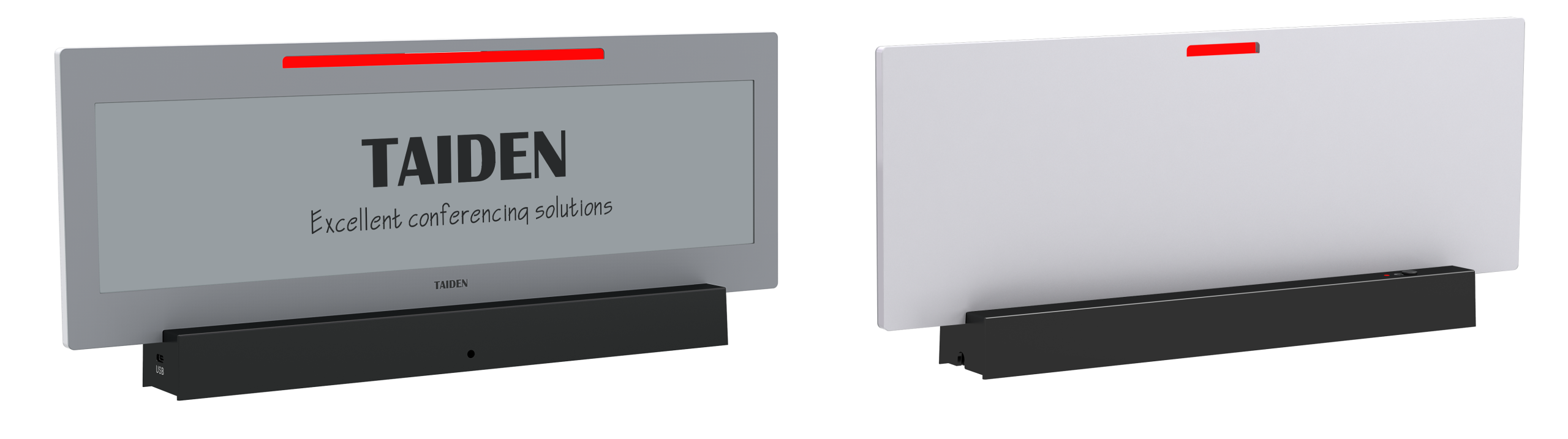
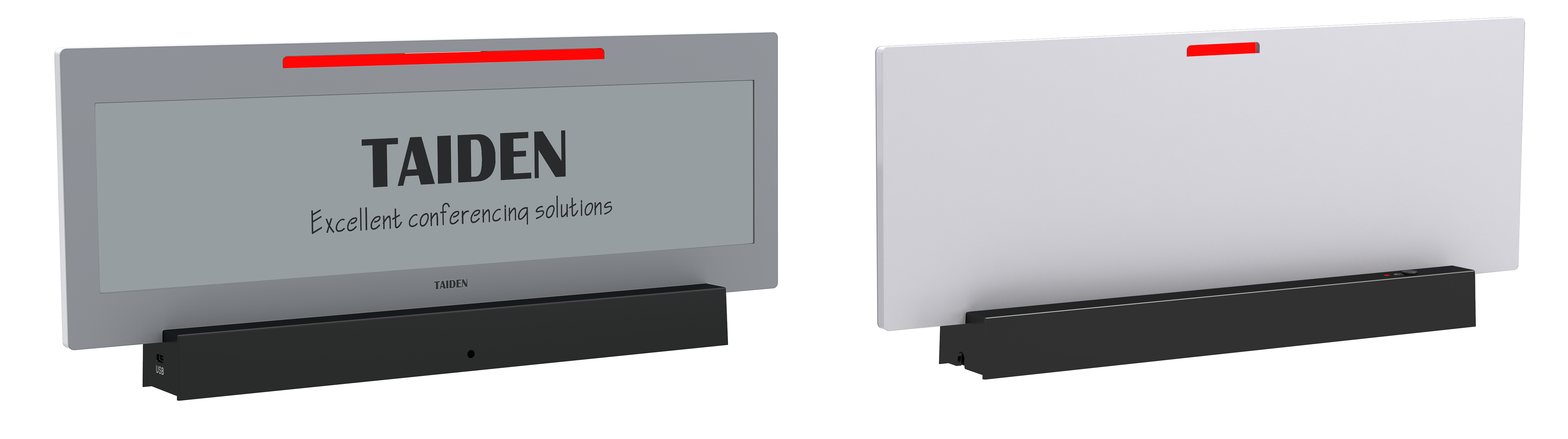
New systems lean on smart principles: low-energy displays, brief radio talks, and tiny data bursts. An e-paper display holds the image without power, so the panel sips energy only during change. That reduces load on gateways and improves QoS across the floor. Compare that to LCD tablets that shout in full color all day and need constant charging—door labels don’t need that. With thoughtful firmware and OTA guardrails, facilities teams push updates on a schedule, monitor latency, and plan maintenance when halls are quiet—funny how small choices make big calm.

From the earlier points, we learned the traps: bright screens burn power, crowded Wi‑Fi spikes delay, and manual steps cause errors. The forward path is cleaner. Think: event-driven refresh, BLE mesh or sub‑GHz for robust coverage, and edge rules that cache names during outages. To pick well, use three simple metrics: 1) Energy per update (mJ/change) across a week; 2) Network impact at peak (packets/min and retry rate); 3) Operational resilience (firmware rollback, offline fallback, and mean time to repair). If a system scores strong on all three, doors stay honest, guests find seats, and teams start on time. That’s the quiet win a building deserves—and the one you can measure. Learn more from thoughtful providers like TAIDEN.