Introduction: The Stakes in the Room
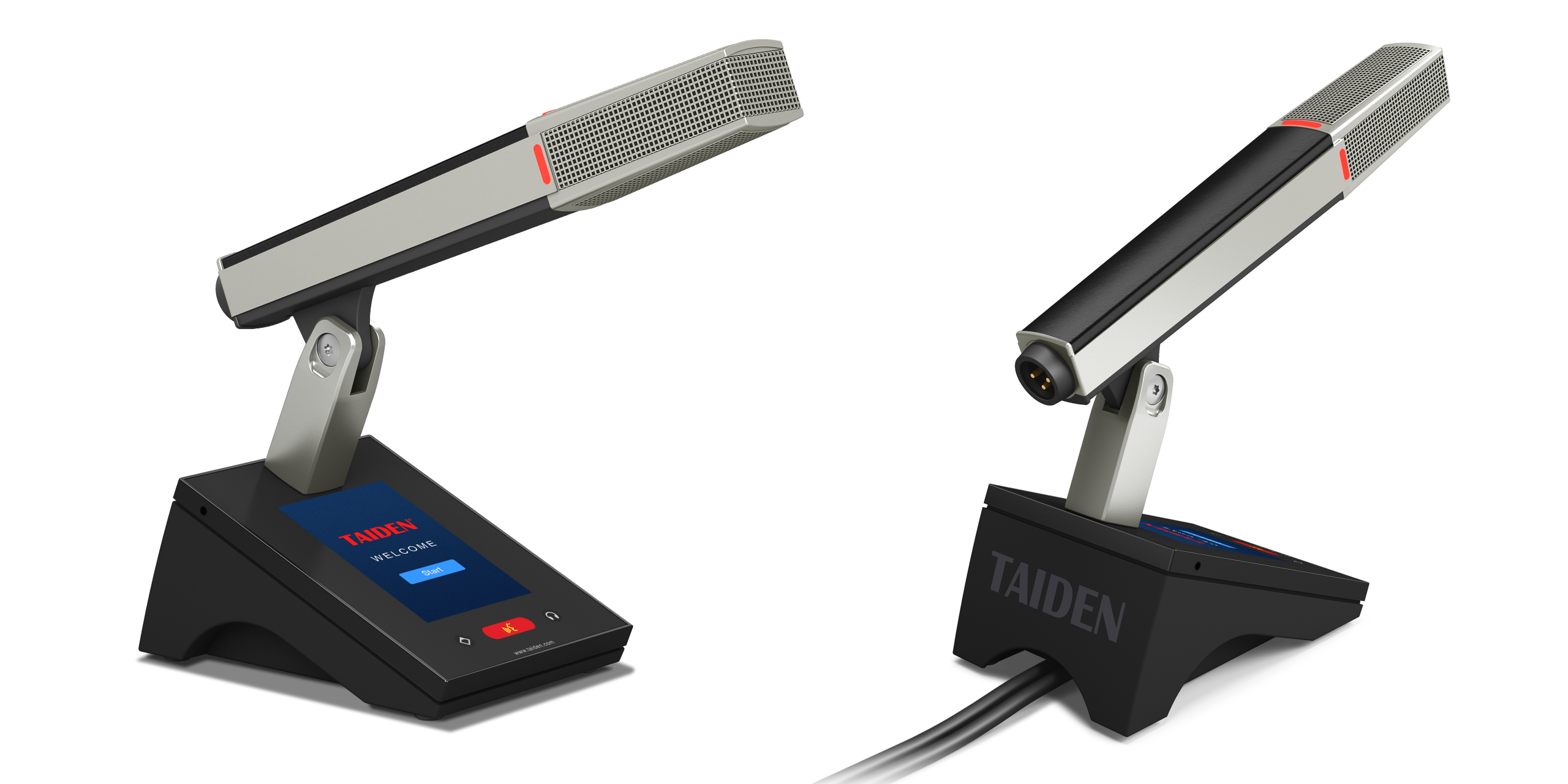
Clear speech decides the value of a meeting. A conference room mic system can make or break that clarity. Across industries, reports say teams lose minutes every meeting to audio faults, dropouts, or muddled pickup (small issues, big costs). Many leaders now ask if a wireless conference system can reduce these losses and make rooms more flexible. The data points in one direction: poor audio lowers engagement and trust, while stable audio does the opposite. Yet the fix is not just “buy new gear.” It is about design, signal flow, and failure points. What parts fail first? Which parts are hard to manage at scale? Let us set the frame, compare the paths, and see what holds under real pressure.
The Hidden Cost of Staying Wired
What actually breaks?
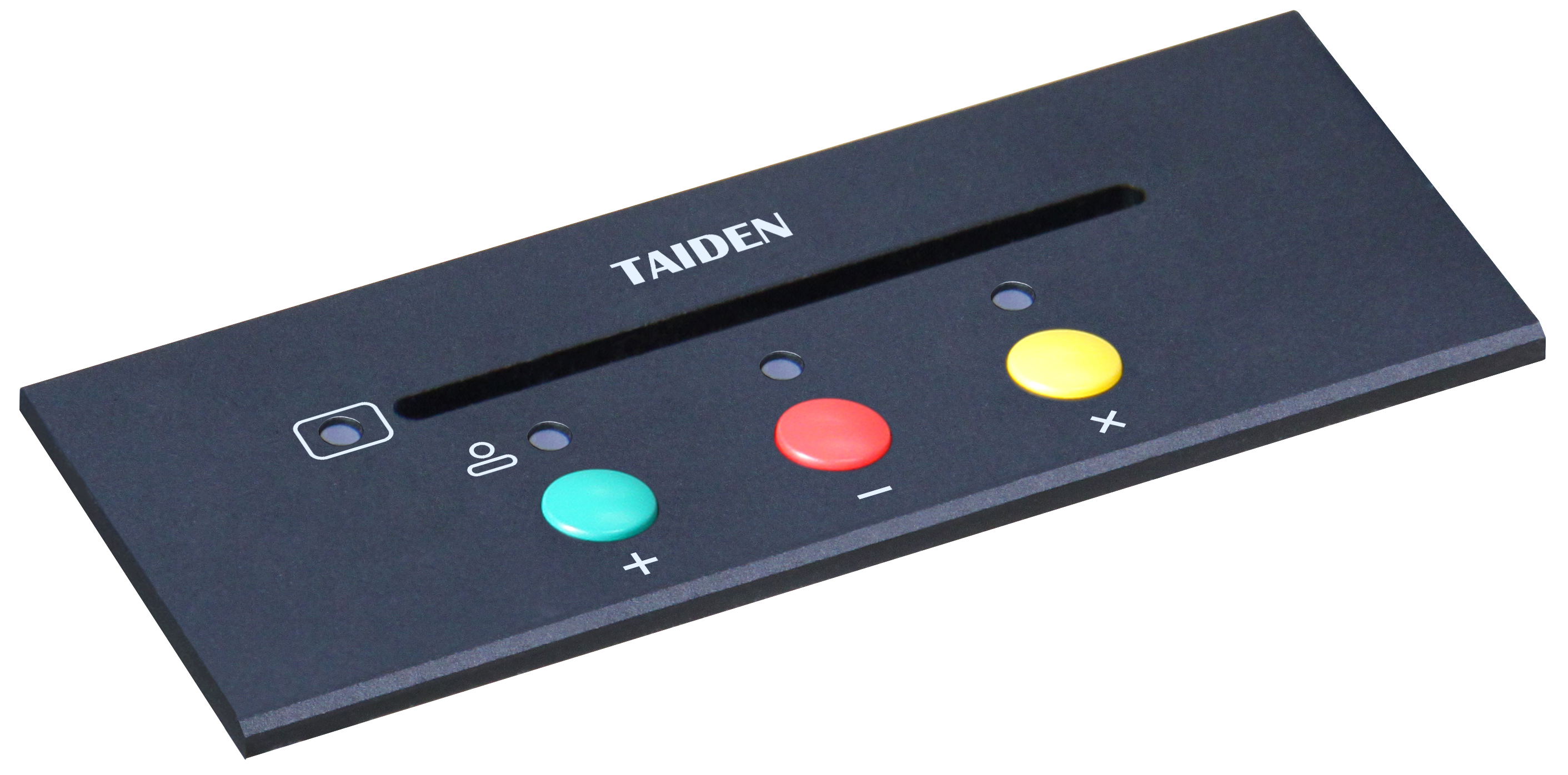
Legacy tables full of cables look stable, but they hide fragile links. Connectors loosen. Floor boxes trap dust. One weak crimp can mute a seat. In larger rooms, a beamforming array depends on clean power and stable DSP scenes; a jittery feed can throw off echo cancellation. Add PoE switches and power converters, and the chain grows long. Each joint adds chance of failure — and yes, it matters. When a presenter shifts chairs, techs must reroute lines or drag splitters. Look, it’s simpler than you think: the problem is not only sound; it is change. Rooms change. Seating changes. Agendas change. Cables resist change.
These rigid paths also slow resets. A panel runs late, then the board meets with a new layout. Tech staff scramble. Daisy chains stretch the latency budget and make timing checks long. Firmware updates must touch endpoints one by one. Edge computing nodes can help, but only if the wiring plan leaves slack for adds and moves. Most do not. The result is poor utilization, higher support load, and a quiet tax on focus. People wait while signals route. People repeat themselves. Energy fades. The meeting cost grows, not in dollars on paper, but in minutes and morale.
New Principles, Real Gains
What’s Next
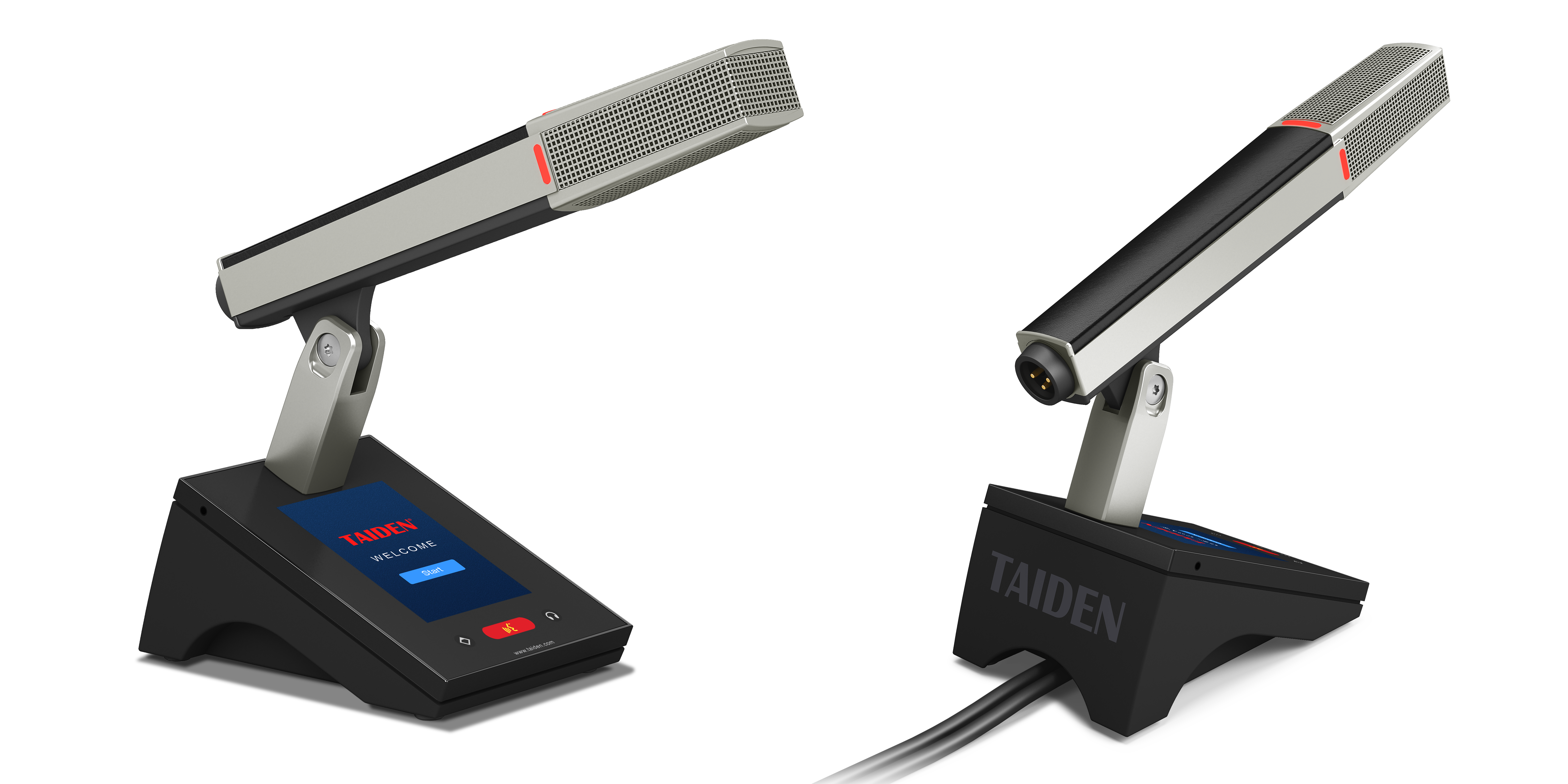
Modern wireless takes a different path. Microphones negotiate channels and manage the RF spectrum with agility. Systems use OFDM and forward error correction to ride through interference. Packets get priority with QoS. Auto-mix engines in the DSP apply smart gain sharing, so many voices stay clear without fader fights. Security is native, not bolted on. The best designs also tag devices by seat or role, so room presets load fast—no crawling under tables. A top microphone manufacturer will add battery health data, fleet dashboards, and alerts, which turn support from reactive to planned. Together, these principles reduce setup time, shrink failure zones, and keep speech intact.
Comparing the two paths shows a pattern. Wired rigs offer raw stability in fixed rooms, but they fight movement and scale. Wireless rigs deliver mobility, quick turnover, and cleaner service loops. And the audio? With proper scanning and channel planning, it holds—funny how that works, right? You also gain resilience: if one unit misbehaves, you swap it in seconds. No trench. No outage. No guesswork. The insight is simple: reduce hard points, add smart control, and preserve timing. That is how voices stay human, even when the agenda does not.
How to Choose Wisely
To evaluate options, ground the decision in clear metrics. First, RF resilience: check packet error rates under busy bands and verify channel agility with real logs, not just spec sheets. Second, end-to-end latency: aim for a consistent figure under 20 ms with auto-mix on, so speech feels natural and lip-sync holds for screens. Third, lifecycle support: measure battery endurance with encryption enabled, review firmware cadence, and confirm spares and service SLAs (today’s fix, not tomorrow’s promise). These three reveal what a demo cannot. They also echo what we learned above: less friction in setup, stable timing under load, and simple recovery when things shift. Choose for clarity and control, and your teams will feel the difference by the second week, not the second quarter. For deeper technical references and product families, see TAIDEN.