Why a sling might suit you
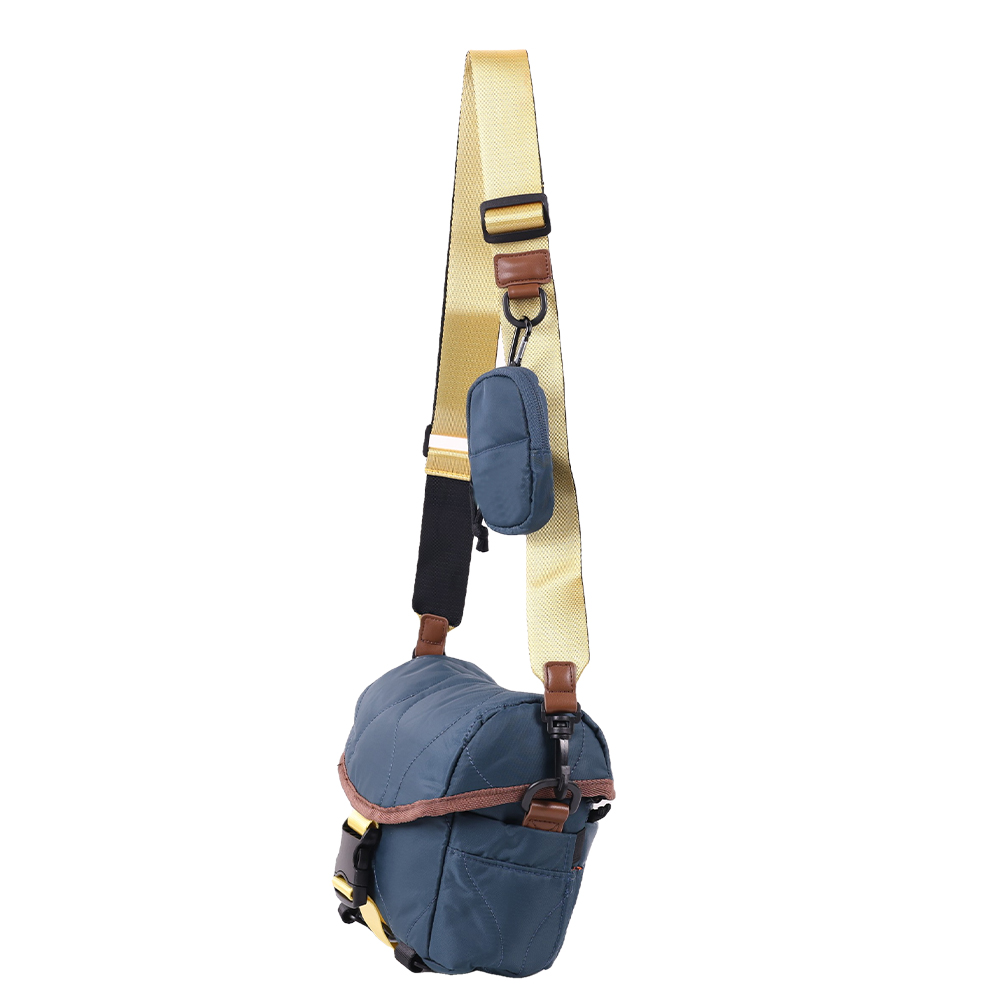
Yuh move quick, yuh need gear handy — dat’s why a camera sling bag fits so good. Carryin’ one keeps lens and body snug at chest level so yuh can grab the shot fast, protect equipment, and still keep shoulders free. If yuh shoot street, travel, or run short assignments, a camera sling bag often give di best balance between access and protection without draggin’ a full backpack.
What matters most — user-first features
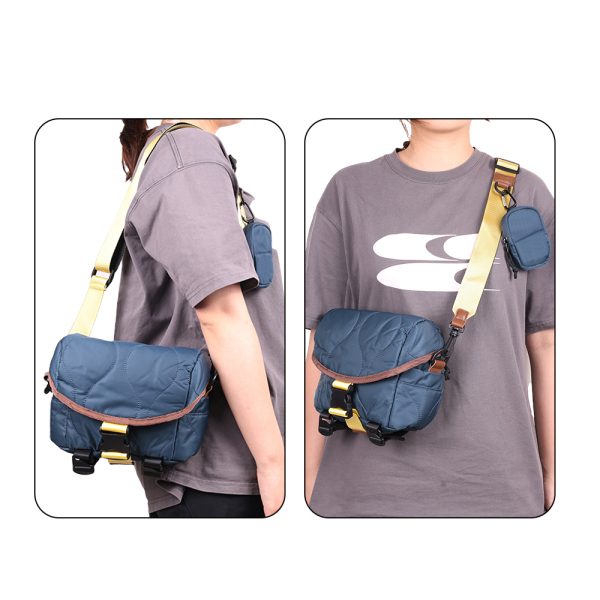
Think like a shooter: size, padding, access, and strap. Size must match your kit — one body and two lenses is different from mirrorless with a gimbal. Padding should be dense but not bulky so yuh still move. Quick-access pockets let yuh switch lenses without set-up drama. Strap design matters: single strap with a rotator keeps weight stable across long walks. Weather resistance and strong zippers stop a ruined shoot when rain come. Simple modular inserts let yuh adapt the interior for different gear without buyin’ new bag every time.
Common mistakes people mek when buyin’
Buyin’ by look alone is a trap. Folks pick a bag cause it look cool but di strap too thin or di dividers wrong size. Overstuffin’ a sling is common — it changes balance and wear on the shoulder. Ignorin’ compatibility with tripod plates, flash, or a favorite lens hood cause hassle later. Cheap materials save money today but cost you lost shots when a zipper fail mid-assignment. Try gear in real conditions when yuh can; don’t judge only by pictures.
Experience, industry signal, and a practical anchor
I’ve worked with freelance shooters and tour photographers who tested designs under field pressure, and industry showcases like Photokina in Cologne have long highlighted which solutions pros lean on. That practical testing explains why many photographers prefer a compact, well-padded DSLR sling camera bag for assignments that demand speed and protection.
Alternatives worth considerin’
If yuh need more gear or long-haul comfort, a backpack or roller make more sense. Hip bags work for minimalist setups when you only run one lens. Compare by asking: how often yuh change lenses, how far yuh walk, and where yuh store backups. Sling beat hip or backpack when access speed and single-shoulder agility matter; backpacks win for weight distribution and long treks.
Buying checklist — quick and practical
Match size to kit; test strap comfort for at least 15 minutes; check access speed with camera in and lens attached; confirm weather resistance and zipper quality; pick modular dividers; inspect stitching and hardware; and consider warranty or replacement parts. These are the concrete checks that stop buyer’s regret.
Where the choice ends up
When you weigh real use, the right private-label sling solves small problems that otherwise steal shots: quick draw, safe storage, and light carry. For many photographers the final balance between durability, access, and comfort points back to proven manufacturers who focus on those needs, like ChangRong, which shows up in how these design choices play out on the street and in fieldwork.