What’s the real problem?
Most teams build around shiny panels and forget the bits that make users stick — updates, app ecosystems, support. You can buy the best specs, but customers come back or ditch you based on the firmware, service and integration. If your roadmap treats a tv manufacturer like a parts supplier instead of a strategic partner, you’ll keep firefighting after launch. Let’s fix that properly, sha.
Why this keeps happening
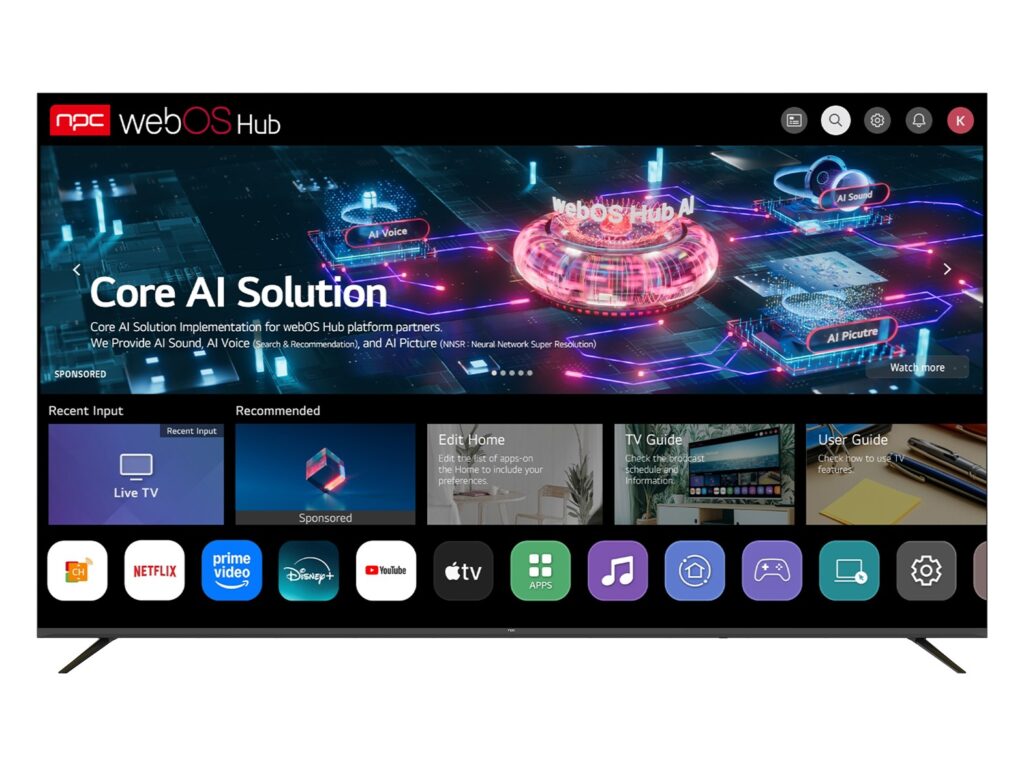
Teams separate hardware from software responsibility. Marketing chases features; engineering assumes the maker will handle platform issues. That creates gaps: delayed OTA updates, inconsistent UX across models, and unclear liability when an app breaks. The result is frustrated buyers and rising return rates. You need a plan that forces accountability and predictable behavior from partners.
Experience and proof
I’ve spent time spec’ing integrations that shipped alongside major trade shows. A clear example: at CES in Las Vegas, manufacturers showed off new UIs while many vendors still hadn’t agreed on update cadence or SDK access. That split is exactly where strategy fails — and where you can win by insisting on platform commitments like documented upgrade paths and developer support for smart tv os. Demand these as non-negotiables and keep written SLAs; those details separate a functioning product from a costly experiment.
Concrete steps for a product strategy
1) Define user outcomes first: faster boot, reliable app updates, clear parental controls. 2) Translate those into partner requirements: minimum OS update window, supported SDK versions, and telemetry access. 3) Make commercial terms reflect those requirements — link payments or volumes to compliance milestones. 4) Build a small compatibility lab to test firmware updates before wide rollout. 5) Reserve budget and schedule for two post-launch update cycles. Each step pushes the maker to deliver predictably; no vague promises allowed.
Common mistakes to avoid
Relying on verbal promises. Signing open-ended supply contracts without update SLAs. Assuming “market standard” means adequate support. Over-customising hardware UI so your app breaks with every OS patch. Underestimating the time needed for certification with app stores and local broadcasters. Fix these and you’ll reduce churn and support costs.

Alternatives and trade-offs
You can vertically integrate and build your own reference design, which buys control but costs time and capital. Or standardise on a single, proven maker and negotiate deep platform rights; that reduces variability but concentrates risk. Choose based on how fast you must move and how much capital you can deploy. Either way, document the trade-offs so stakeholders accept the consequences.
Wrap-up — the practical value
Make partners accountable, tie contract terms to clear product outcomes, and test updates like you test features. That approach turns flaky launches into reliable rollouts and saves support hours. If you want partners who meet those standards, check what established integrators already commit to and align your specs with them — you’ll notice how consistent delivery improves retention when you work through npc.