Setting the Scene: Why Old-School Still Moves Us
You roll out at sunrise, streets breathing slow, the city not quite awake. A vintage cruiser sits there like a calm friend, listo, waiting for the first turn. Friends keep asking why you’re even looking at vintage bobber motorcycles when brand-new plastics shout from every showroom. Here’s the thing: most of us ride to feel something steady, not just to shave seconds. In Latin America, the average commute hovers around half an hour, and riders report higher focus when the machine’s feedback is simple and clean—no drama, no noise overload (sí, that matters). Industry reports show classic silhouettes still hold strong, even as electronics take over dashboards. But numbers don’t explain why your back relaxes when the bars sit right, or why a softer torque curve makes traffic feel—well—tranquilo. So the question: if classic form is so beloved, what keeps some bikes comfy and others tiring after only ten blocks? And how do you pick between cousins that look the same but ride so different? (Curioso, ¿verdad?) Let’s segue to what’s beneath the shine, and why that gap decides your day.
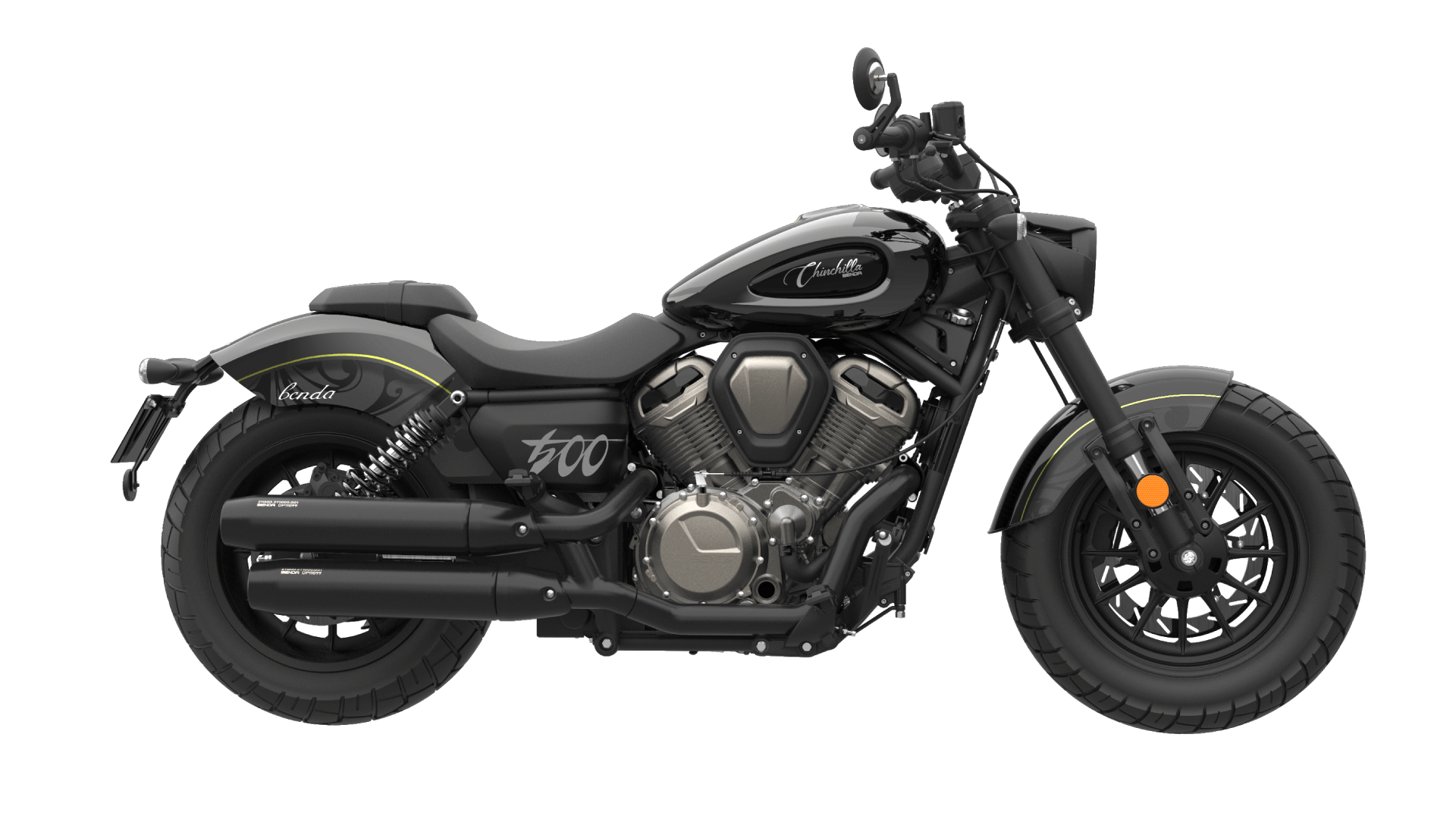
Hidden Pain Points Behind the Shine
Where Do Riders Struggle?
Let’s get technical for a moment. Many vintage bobber motorcycles chase a stripped profile that looks sharp in photos, yet the geometry can punish in motion. A steep rake angle and short trail may sharpen turn-in, but they can also feel twitchy on patchy avenues. Low seats look cool, sure, yet they reduce suspension travel, so damping has less room to work. That means potholes bite harder. Carburetor jetting that’s set for cool mornings might stumble at midday heat—funny how that works, right?—and a narrow torque curve can force you to slip the clutch through slow corners. Over time, wrists and knees complain. Vibration at certain RPMs (poor balance or rigid mounts) sneaks up on you on longer rides.

Look, it’s simpler than you think: traditional fixes often attack the wrong thing. People swap pipes, but the drone grows while brake fade stays. They stiffen springs, and now small bumps chatter. They go taller on the sprocket ratio to drop revs, then the bike lugs in traffic. The hidden pain points are ergonomic and dynamic. If your reach to the bars opens your chest, your breathing calms. If the torque curve fills in at 3,000 rpm, stoplights feel easy. If damping does its job, you glide instead of brace. In short, the bobber look can live with city comfort, but only when geometry, fueling, and brakes sit in balance. That’s the layer the photos never show.
Comparative Outlook: Classic Feel, Smarter Tech
What’s Next
Here’s a forward look, con calma. The smart move isn’t to abandon classic form; it’s to sneak in tech that respects it. A well-sorted vintage cruiser bike can keep the long, low stance while using new principles: closed-loop EFI that trims fueling by tiny O2 updates; slip-assist clutches that ease your left hand in stop‑and‑go; and ABS that stays quiet until it saves your day. These are small, almost invisible changes. Sensors act like tiny edge computing nodes, smoothing inputs before you even feel them. Swap brittle electrics for stable power converters and better stator output, and your lighting and USB ports stop flickering at idle. Compare that to an old-school carb-only setup: yes, it’s simple, but it drifts with heat and altitude, and your morning tune becomes a noon headache. You want grace, not guesses.
We stack it side by side. Bobber minimalism brings clarity; cruiser ergonomics bring time-in-saddle. Blend them, and you get calm steering trail, usable suspension sag, and a torque curve that breathes at city speeds—boom, your shoulders drop. The “future” is modest but real: refined ECU mapping; lighter wheels that cut gyroscopic load; and discs sized to resist fade in hills. The takeaway from above stands, but pushed forward: comfort is geometry plus delivery. To choose well, use three metrics. One: torque at 2,500–3,500 rpm (that’s your daily zone). Two: suspension travel and damping adjustability (front and rear, measured, not guessed). Three: wet weight to wheelbase balance—enough stability without dull steering. Pick by those, and the rest follows—funny how that works, right? When you’re ready to compare calmly and ride más tranquilo, start with makers who balance these pieces, like BENDA.