A field night, some numbers, and one big question
I was on a windy pier at 9 p.m., jacket zipped, cue list in hand. Right beside me, an outdoor laser projector manufacturer rep watched the humidity spike on his meter and frowned. In my notes from the last year, 32% of outdoor shows had fog or drizzle, and the median unplanned downtime was 18 minutes; a third of rigs lost about 12% brightness after the first half hour due to heat. So here’s the real question: are we buying peak lumens, or are we buying uptime and control when the weather turns weird? (Because the weather always turns weird.) I’ve seen shows rescued by fast reboot logic and sealed optics more than by raw wattage—funny how that works, right?
We can talk catalog specs all day, but field risk lives in the tiny gaps: cable glands, fans, desiccant packs, and the way control links recover after drops. And yet, budgets still chase headline power numbers while ignoring maintenance hours. That mismatch is why teams get surprised on show night. Let’s unpack the gaps and what to compare next, without the hype, and with the details that actually decide whether the beam cuts through or fades at minute 27. Onward.
The hidden pain points your spec sheet won’t show
Where do the real failures start?
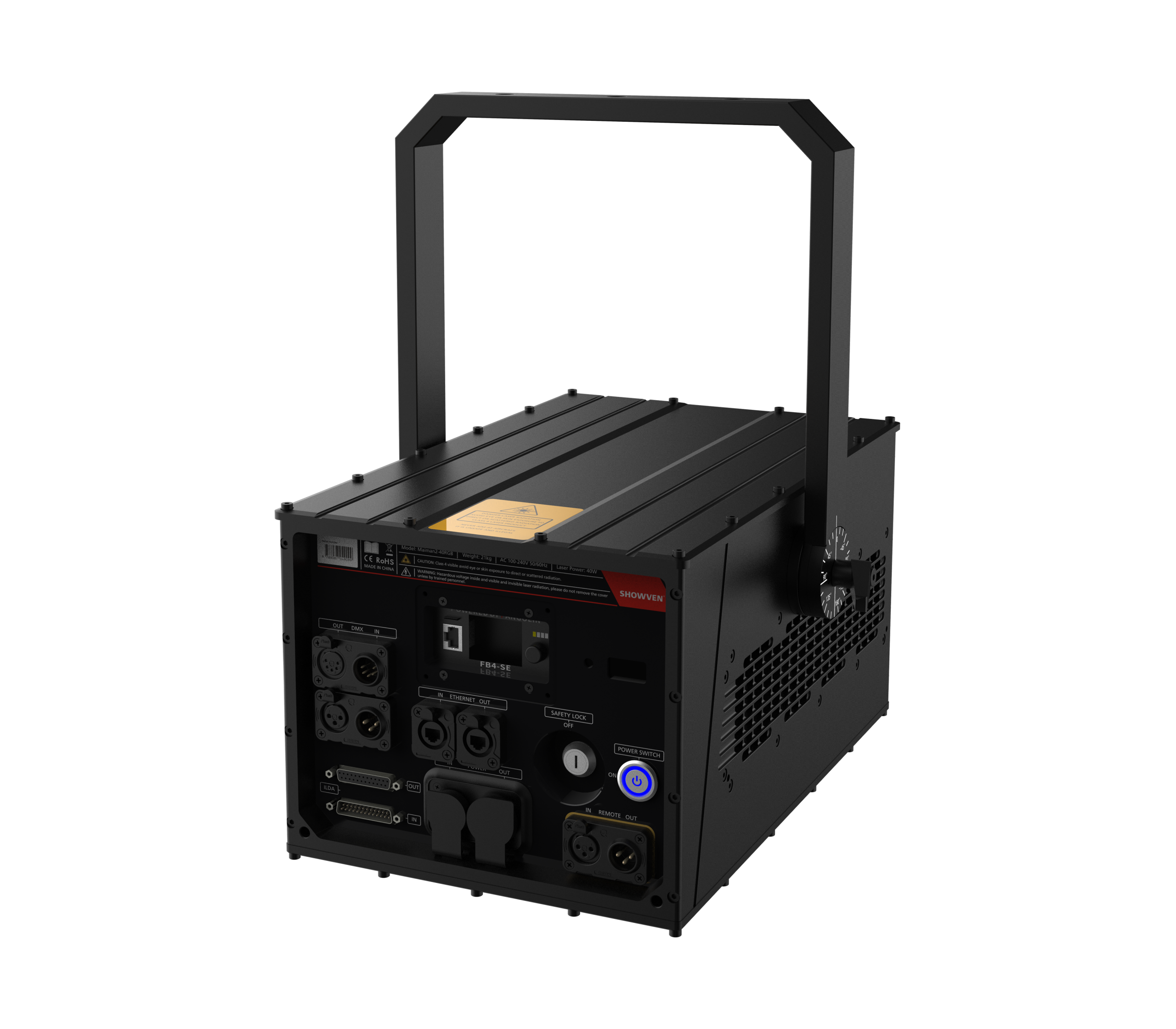
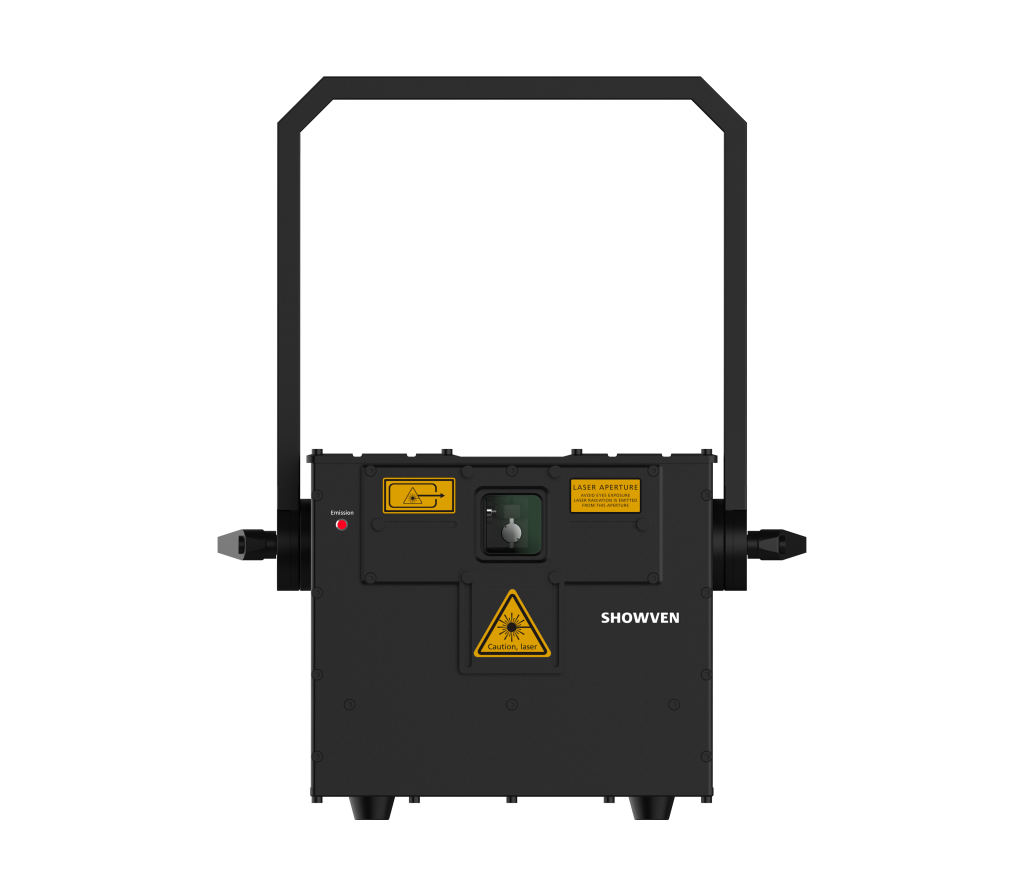
Think about what an outdoor laser light really faces: heat, moisture, dust, and long duty cycles. Spec charts trumpet wattage and color space, but the quiet failures are elsewhere. Look, it’s simpler than you think. If the IP65 enclosure rides on weak cable glands, humidity creeps in. If the power converters run hot, everything downstream strains. Thermal management goes from “fine in the lab” to throttled in the field—fast. The laser diode array may be robust, but if the galvanometer scanners fight damp air and vibration, your crisp patterns smear at distance. And when a unit hiccups, a slow reboot sequence can turn a 10-second blip into a 3-minute blackout— and yes, I timed it.
There’s also a visibility problem. Beam divergence that looks tight in testing can widen under heat, which softens long throws across water or stadium turf. Control stacks matter too: when DMX control links drop and the rig doesn’t fail over to Art-Net or a buffered cue, you’re stuck. Photometric calibration drift shows up by show three, not show one, so buyers miss it in demos. Meanwhile, crews burn time on desiccant swaps, gasket inspections, and removing bug ingress (it happens) instead of rehearsing cues. These pain points are small on paper but huge at 9:12 p.m., during your opener, when you need fast recovery and predictable output more than another 2 watts on the label.
Comparative outlook: new principles for better nights
What’s Next
The next wave isn’t just brighter; it’s smarter under stress. Think sealed optical paths with active purge systems, dew sensors, and a closed-loop thermal map that keeps output steady rather than spiky. Some outdoor projector laser lights now use predictive firmware that watches temperature and humidity, then adjusts PWM dimming to hold color balance as the night gets wet. Add edge computing nodes at the rig level and you get faster fallback cues and smoother recovery after network dips. A robust laser safety interlock and faster boot logic cut downtime, while better heat sink design reduces strain on scanners during long static beams. It’s less about headline power and more about keeping the beam sharp and the show on time—consistently.
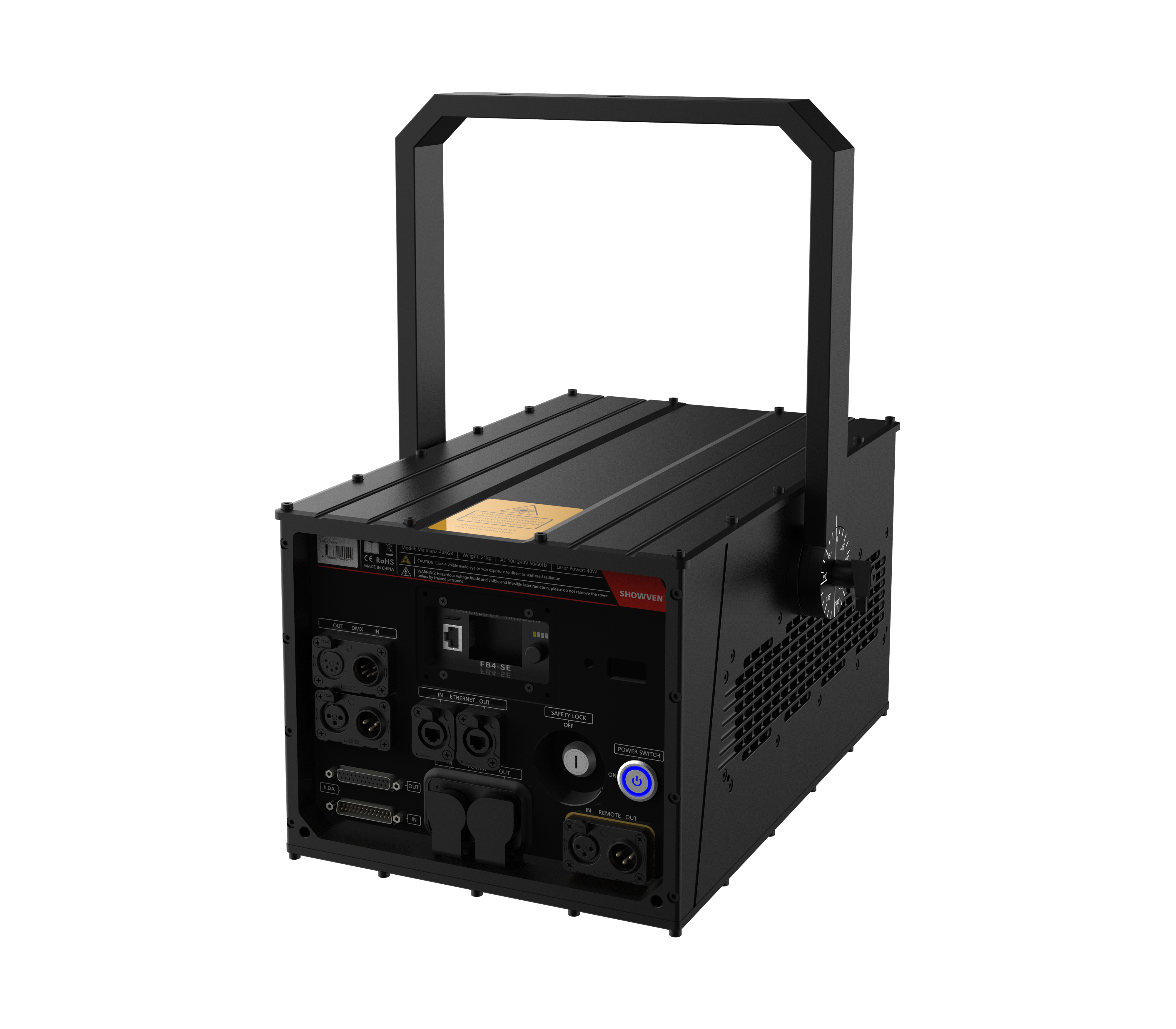
So what should you measure when you compare brands? Keep it simple and concrete—semi-formal, not salesy. First, demand a published uptime percentage at 30°C and 90% RH over a 60-minute run, including reboot time. Second, track beam divergence stability: maximum allowable change, from cold start to hot hour, at a fixed throw. Third, time service actions: minutes to swap a scanner module or reseat a gasket without cracking the enclosure. Wrap those metrics around your use case, and you’ll pick the unit that keeps its promise in the wind and drizzle, not just in the showroom. That’s the quiet win that saves a night— and the crew’s nerves. For deeper specs and field-ready designs, see Showven Laser.