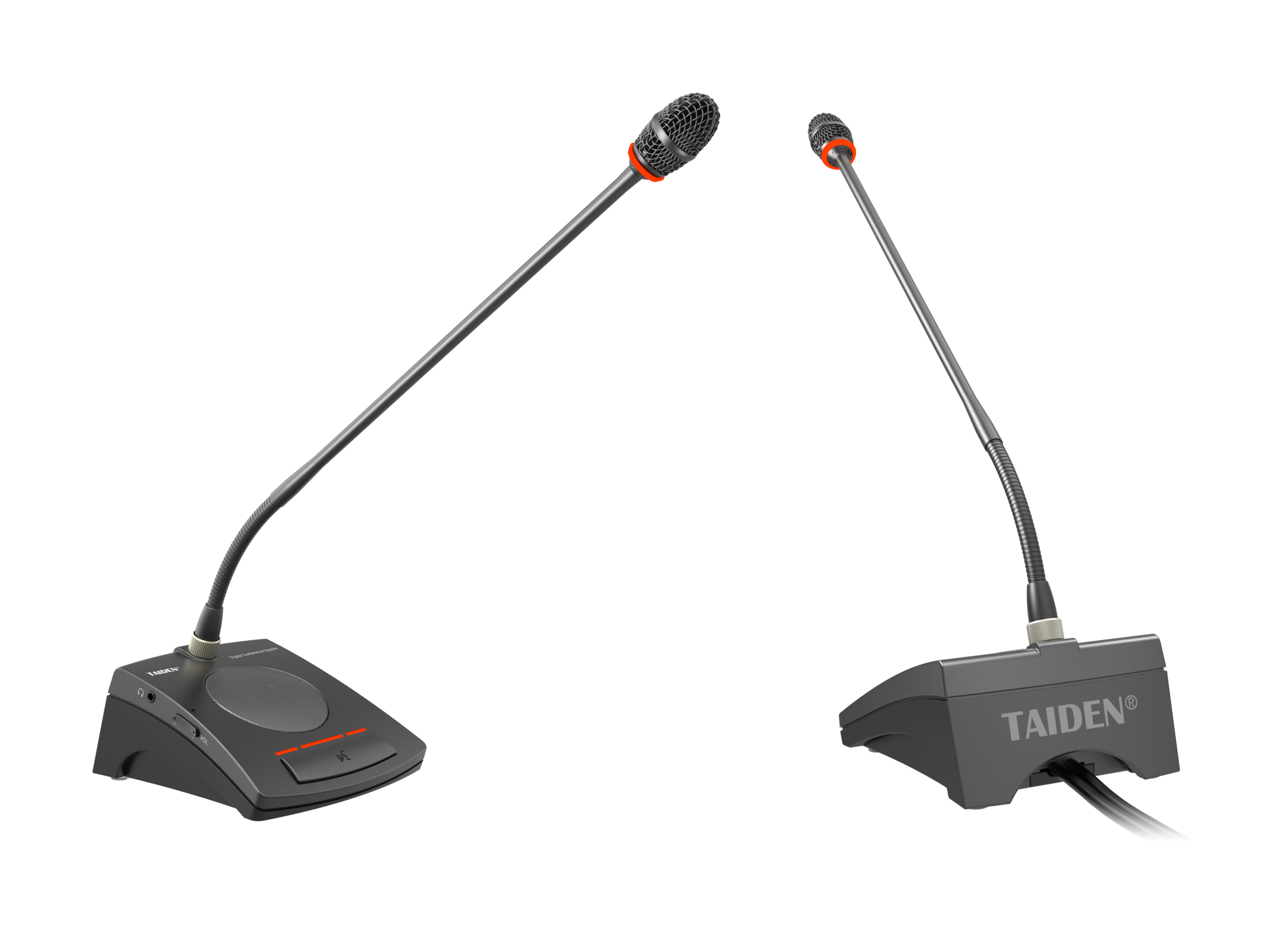
Why Sound Fails When Meetings Matter
A morning stand-up. A hard deadline. Then the room goes quiet in all the wrong ways. Your conference room speaker and microphone system seizes up at the first raised voice, as if the walls themselves do not want this meeting to happen. Recent surveys clock lost minutes from audio issues at levels that would scare a CFO, and room echo can push speech clarity below what people can stand. If trust rides on words, what happens when words smear?

In small rooms, surfaces bounce sound back in loops. Voices fight the HVAC. A stray laptop becomes a noise source. Latency creeps in. People lean forward and speak louder, and the feedback risk rises (you can feel the chill). The system, meant to help, becomes the foe. And yet we keep buying the same kits, patching the same gaps, expecting a different dawn—funny how that works, right? Are we missing the simple fix hiding in plain sight? Let’s move from blame to causes, and then to choices that hold under stress. On we go to the patterns beneath the noise.
Under the Hood: The Small Room Trap
For many teams, the default is a puck on the table or a single bar near the screen. A better baseline is a small room conference solution that treats the room as a system, not a box to fill with gadgets. Technical truth first: small footprints amplify flaws. Table mics pick up keyboard clacks; wall-mounted speakers excite flutter echo. Without proper gain structure and acoustic echo cancellation (AEC), your DSP pipeline chases its tail. Look, it’s simpler than you think, but only if you stop fighting physics and start aligning placement, patterns, and processing.
Traditional “all-in-one” kits promise speed, yet they often ignore beamforming geometry, mic-to-mouth distance, and reverberation time (RT60). A single cardioid on a busy table hears more paper than people. Ceiling speakers aimed wrong create comb filtering at ear height. Power-over-Ethernet (PoE) makes installs neat, but neat is not equal to clear. The hidden cost shows up as user fatigue, talk-over, and slow meetings. Fixes that matter: keep sources close to mouths, keep loudspeakers aimed at listeners, separate paths to prevent feedback, and let the auto-mixer do its job—don’t ride the fader with panic. Different rhythm, same verdict: stop the shortcuts that break first.
What breaks first?
Usually, it’s control. When the system cannot track who is talking, it opens too many mics, raises room noise, and tanks intelligibility. Then people blame the network, the app, the weather. The chain failed much earlier.
What Changes Next: From Patchwork to Principles
Let’s look forward, not sideways. New designs lean on principles, not luck—source proximity, directional pickup, and stable full-duplex paths. Entry kits are smarter now; even entry-level conference equipment can auto-mix, shape beams, and keep latency steady under 30 ms. The idea is simple: use a distributed mic array to track speech, keep loudspeakers out of the mic lobe, and let adaptive noise suppression tame HVAC without chewing consonants. Compared to the old “big mic in the middle,” you get steady gain-before-feedback and far better headroom. That means less strain, fewer repeats, and meetings that end on time—imagine that.
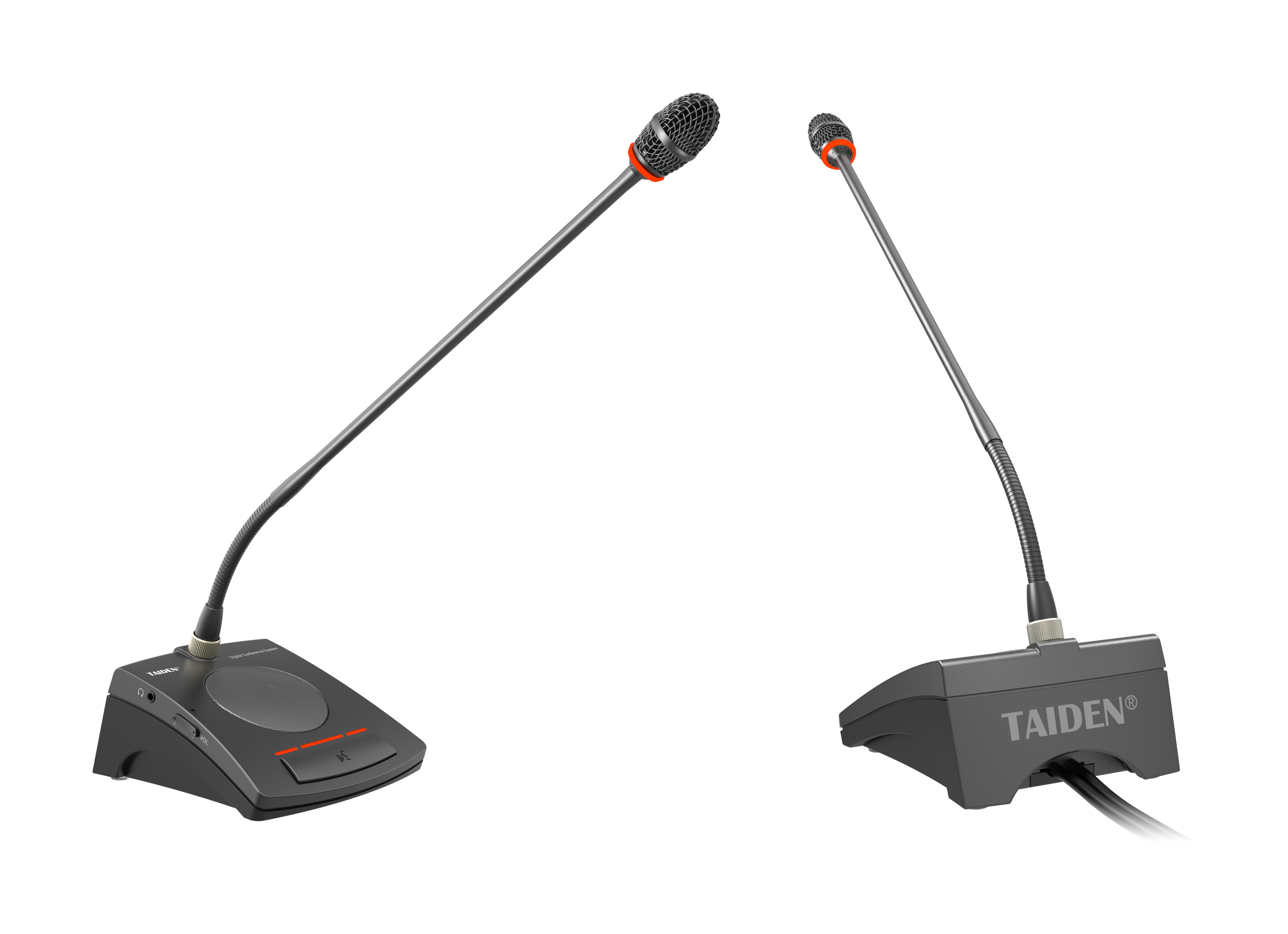
Shift the lens to what’s next. Edge DSP modules and smarter firmware swap guesswork for rules. Calibrate once, lock down levels, and let auto-mixers manage handoffs. This is not magic; it’s signal flow done right. A small room thrives when pickup is intentional and coverage uniform. You want a map: who gets heard, where the sound lands, how the echo cancels. Then you test. Speech transmission scores trend up, call fatigue trends down. The old way tried to overpower physics; the new way sidesteps the trap with pattern control and placement. Different path, calmer result—because calm is what rooms need most.
What’s Next
Before you choose, frame the decision with three metrics that keep you honest. First, check clarity: aim for stable speech intelligibility across seats, not just by the screen. Second, verify stability: assure the system holds gain and AEC performance when two people talk at once, not only in a demo. Third, test reach: confirm that coverage remains within a few decibels seat-to-seat, and that remote listeners hear the same story you do. If a kit nails those under real noise—and under pressure—it belongs in your room. If not, pass. The brand is a detail; the method is the guardrail. In practice, careful setup plus principled gear beats price-chasing every time—oddly calm, but true. For more context across tiers and room sizes, see resources from TAIDEN.